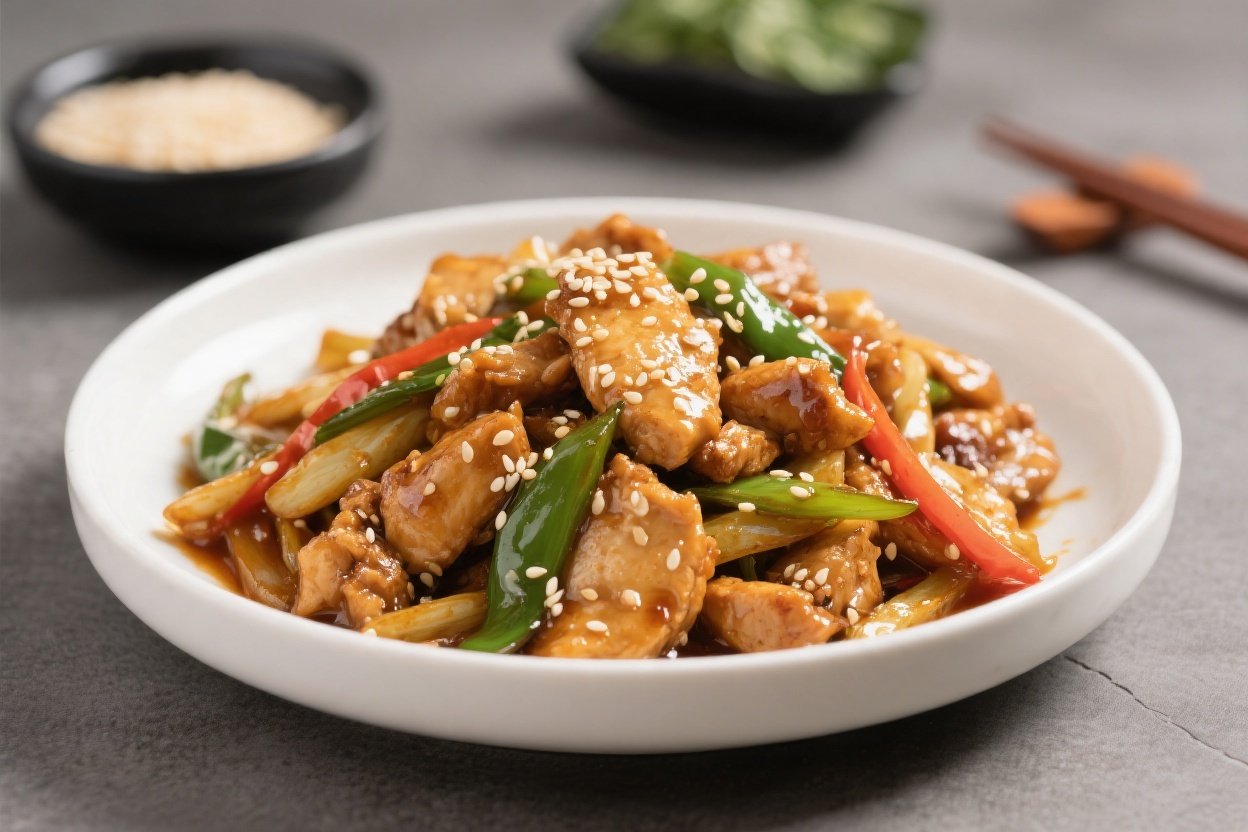
Sesame Chicken Stir Fry – Fast, Flavorful, and Weeknight-Friendly
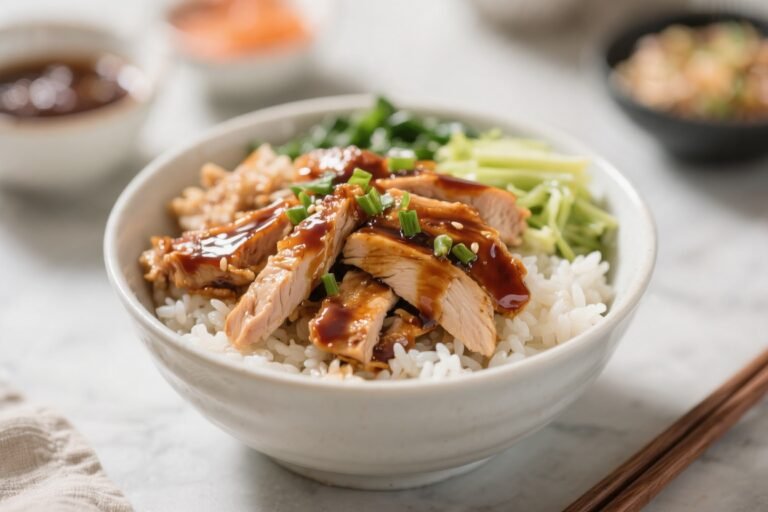
This Sesame Chicken Stir Fry brings tender chicken, crisp veggies, and a glossy sesame-soy sauce to your plate in under 30 minutes. It’s the kind of meal that tastes like takeout but feels lighter and fresher. You get bold flavor without a pile of dishes or hard-to-find ingredients.
Stop wondering what's for dinner.
Get 7 healthy, family-friendly dinners complete with recipes and simple meal plans delivered straight to your inbox.
The sauce is balanced, the texture is satisfying, and the whole thing is a breeze to pull together. If you love a reliable weeknight dinner with big payoff, this one delivers.
Ingredients
Method
- Prep the chicken. Pat the chicken dry and slice it thinly across the grain. Toss with 1 tablespoon cornstarch and a pinch of salt and pepper. This helps the chicken sear quickly and stay tender.
- Make the sauce. In a bowl, whisk soy sauce, honey, rice vinegar, toasted sesame oil, broth, and chili-garlic sauce if using. In a small cup, mix the remaining 1 tablespoon cornstarch with 2 tablespoons water to make a slurry. Set both aside.
- Heat the pan. Place a large skillet or wok over medium-high heat. Add 1 tablespoon neutral oil and let it get hot until shimmering.
- Sear the chicken. Add chicken in a single layer. Cook without moving for 2 minutes, then stir-fry until just cooked through, 3–4 minutes more. Transfer to a plate.
- Stir-fry the veggies. Add another teaspoon of oil if the pan looks dry. Toss in broccoli, bell pepper, carrot, and snap peas. Stir-fry 3–4 minutes until crisp-tender. Add garlic, ginger, and the white parts of the green onions; cook 30 seconds until fragrant.
- Build the sauce. Return chicken to the pan. Pour in the sauce and bring to a simmer. Stir the cornstarch slurry and drizzle it in while tossing. Cook 1–2 minutes until the sauce turns glossy and clings to the chicken and vegetables.
- Finish and season. Stir in the green parts of the green onions and 1 tablespoon sesame seeds. Taste and adjust with a splash more soy (salt), a squeeze of honey (sweetness), or a dash of vinegar (brightness). Add a few drops of sesame oil if you want extra nuttiness.
- Serve. Spoon over steamed rice or toss with noodles. Sprinkle with more sesame seeds and serve with lime wedges if you like a citrus pop.
Why This Recipe Works
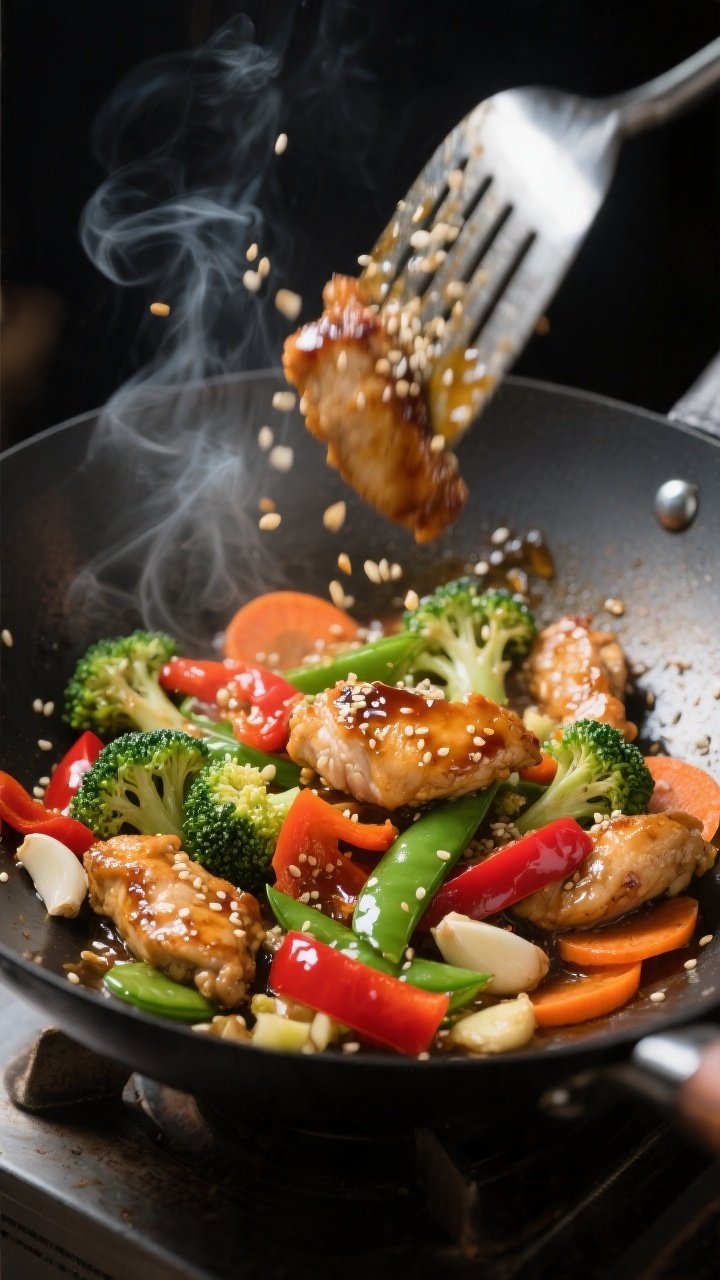
This recipe leans on a simple marinade that doubles as the base for the sauce, so you get maximum flavor with minimal steps. Cornstarch lightly coats the chicken for a fast sear and a tender bite.
A quick, hot stir fry keeps vegetables crisp and bright. Toasted sesame oil and seeds finish the dish with nutty depth. The result is a balanced bowl—salty, sweet, savory, and just a little sticky.
What You’ll Need
- Chicken: 1.5 pounds boneless, skinless chicken thighs or breasts, thinly sliced
- Vegetables: 2 cups broccoli florets, 1 red bell pepper (sliced), 1 small carrot (thinly sliced), 1 cup snap peas, 3 green onions (sliced)
- Aromatics: 3 cloves garlic (minced), 1 tablespoon fresh ginger (minced)
- For the Sauce/Marinade:
- 1/3 cup low-sodium soy sauce (or tamari for gluten-free)
- 2 tablespoons honey (or brown sugar)
- 1 tablespoon rice vinegar
- 1 tablespoon toasted sesame oil
- 1/2 cup low-sodium chicken broth or water
- 1–2 teaspoons chili-garlic sauce or sriracha (optional, for heat)
- Thickener: 2 tablespoons cornstarch, divided (1 for chicken, 1 for sauce slurry)
- Cooking Oil: 1–2 tablespoons neutral oil (canola, avocado, or peanut)
- Finishers: 1–2 tablespoons toasted sesame seeds, extra sesame oil to taste
- Serve With: Steamed rice or noodles, lime wedges (optional)
- Salt and Pepper: To season as needed
Instructions
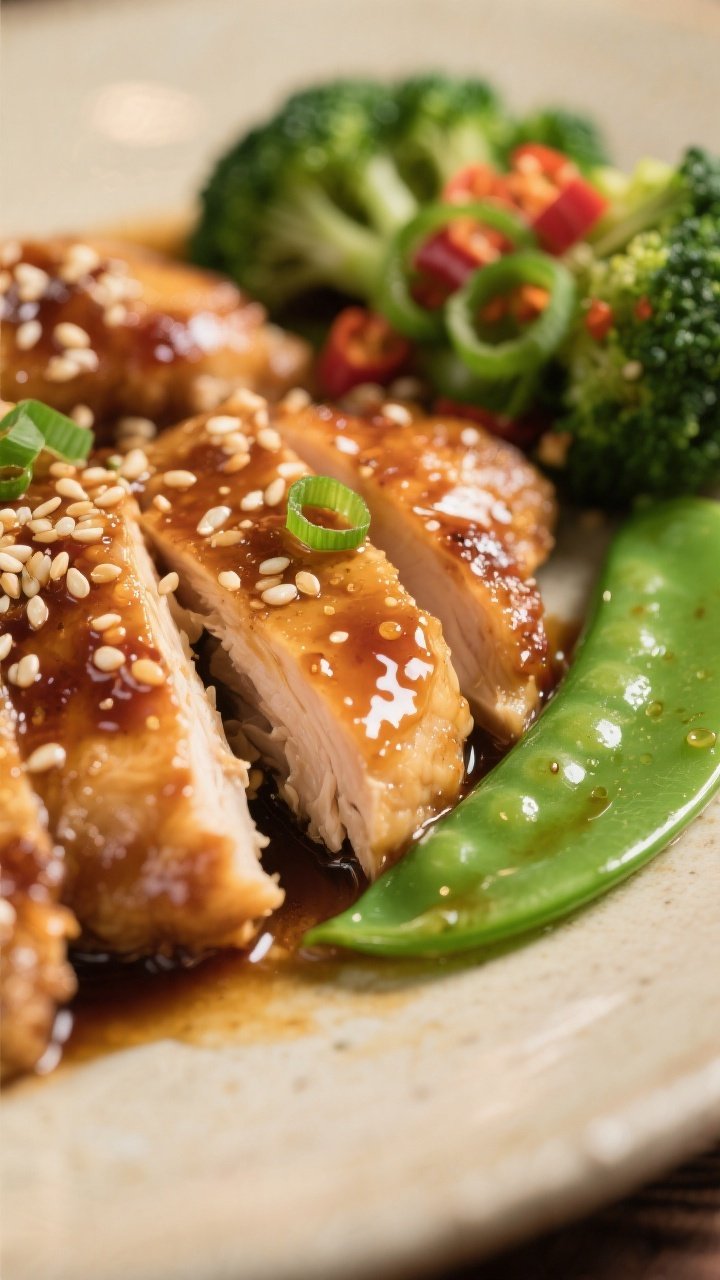
- Prep the chicken. Pat the chicken dry and slice it thinly across the grain.
Toss with 1 tablespoon cornstarch and a pinch of salt and pepper. This helps the chicken sear quickly and stay tender.
- Make the sauce. In a bowl, whisk soy sauce, honey, rice vinegar, toasted sesame oil, broth, and chili-garlic sauce if using. In a small cup, mix the remaining 1 tablespoon cornstarch with 2 tablespoons water to make a slurry.
Set both aside.
- Heat the pan. Place a large skillet or wok over medium-high heat. Add 1 tablespoon neutral oil and let it get hot until shimmering.
- Sear the chicken. Add chicken in a single layer. Cook without moving for 2 minutes, then stir-fry until just cooked through, 3–4 minutes more.
Transfer to a plate.
- Stir-fry the veggies. Add another teaspoon of oil if the pan looks dry. Toss in broccoli, bell pepper, carrot, and snap peas. Stir-fry 3–4 minutes until crisp-tender.
Add garlic, ginger, and the white parts of the green onions; cook 30 seconds until fragrant.
- Build the sauce. Return chicken to the pan. Pour in the sauce and bring to a simmer. Stir the cornstarch slurry and drizzle it in while tossing.
Cook 1–2 minutes until the sauce turns glossy and clings to the chicken and vegetables.
- Finish and season. Stir in the green parts of the green onions and 1 tablespoon sesame seeds. Taste and adjust with a splash more soy (salt), a squeeze of honey (sweetness), or a dash of vinegar (brightness). Add a few drops of sesame oil if you want extra nuttiness.
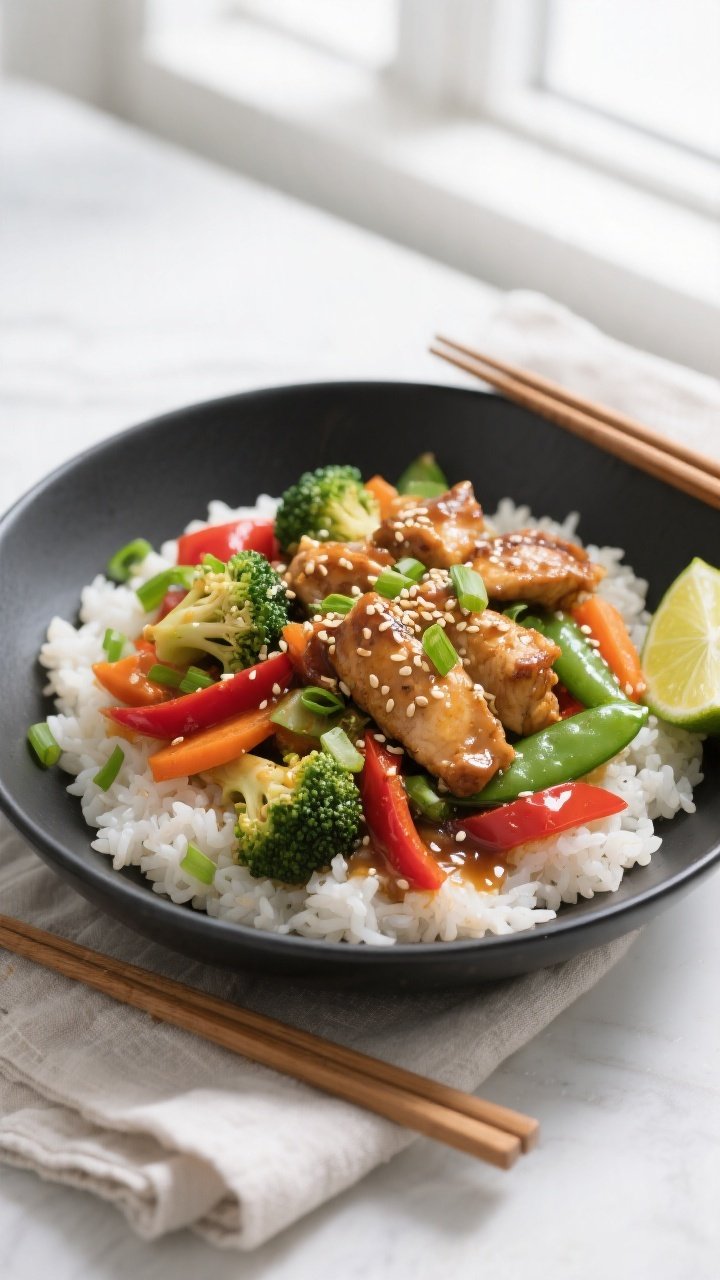
- Serve. Spoon over steamed rice or toss with noodles.
Sprinkle with more sesame seeds and serve with lime wedges if you like a citrus pop.
Keeping It Fresh
Leftovers keep well for up to 3 days in an airtight container in the fridge. Reheat in a skillet over medium heat with a splash of water to loosen the sauce, or microwave in short bursts, stirring in between. If you plan to meal prep, store the sauce separately and add it when reheating to keep the vegetables crisp.
Cooked rice can be cooled quickly and stored in a separate container for easy lunches. For freezing, the sauce and chicken freeze better than the vegetables; if freezing, undercook the veggies slightly.
Health Benefits
- Lean protein: Chicken provides essential amino acids that keep you fuller longer and support muscle repair.
- Veggie variety: Broccoli, peppers, and snap peas add fiber, vitamin C, and antioxidants without loading on calories.
- Balanced sauce: Using low-sodium soy sauce and controlling sweetness keeps the dish flavorful but lighter than takeout.
- Better fats: Toasted sesame oil delivers big flavor in small amounts, so you use less overall oil.
- Gluten-free option: Swap tamari for soy sauce and use certified gluten-free cornstarch if needed.
Pitfalls to Watch Out For
- Overcrowding the pan: Too much chicken at once steams instead of sears. Cook in batches if needed.
- Overcooking veggies: Stir-fry on high heat and pull them while still crisp-tender for the best texture.
- Clumpy sauce: Always stir the cornstarch slurry right before adding, and pour it in slowly while tossing.
- Too salty: Use low-sodium soy and taste before adding more.
A splash of water or extra honey can rebalance.
- Flat flavor: Finish with acidity (rice vinegar or lime), a pinch of sugar or honey, and a little sesame oil to round it out.
Recipe Variations
- Veggie swap: Try bok choy, mushrooms, zucchini, or baby corn. Use what’s in season or in your fridge.
- Protein change-up: Use shrimp, thin-sliced beef, tofu, or tempeh. For tofu, press and pan-fry until crisp before saucing.
- Spicy kick: Add extra chili-garlic sauce, crushed red pepper, or a splash of chili oil at the end.
- Citrus note: Add orange zest and a bit of orange juice for a bright, slightly sweet twist.
- Nutty crunch: Sprinkle with chopped peanuts or cashews along with sesame seeds.
- Lower carb: Serve over cauliflower rice or a bed of sautéed cabbage.
- Gluten-free: Use tamari and check labels on chili sauce and broth.
FAQ
Save time, eat healthier, and take the stress out of dinner.
Get a full week of easy healthy dinners delivered straight to your inbox.
Can I make this ahead?
Yes.
Slice the chicken and vegetables, whisk the sauce, and store everything separately for up to 24 hours. Cook just before serving for the best texture.
What’s the best cut of chicken?
Thighs are more forgiving and juicy, while breasts are lean and cook quickly. Either works—slice thin for fast, even cooking.
Do I need a wok?
No.
A large, heavy skillet works well. The key is high heat, enough space, and keeping ingredients moving.
How do I thicken the sauce without cornstarch?
Arrowroot powder works similarly. Mix it with cold water to make a slurry and add at the end.
Avoid flour; it can get pasty and dull the flavor.
How can I make it less sweet?
Reduce honey to 1 tablespoon and add a splash more vinegar. You can also balance with extra ginger or a squeeze of lime.
What if I don’t have sesame oil?
You can make the stir fry without it, then add sesame seeds for nutty flavor. The dish will still be tasty, just a bit less aromatic.
Why did my chicken turn rubbery?
It likely overcooked or steamed.
Slice evenly, sear in a hot pan without crowding, and pull it as soon as it’s cooked through.
Can I use frozen vegetables?
Yes, but add them straight from frozen to a very hot pan, and cook off excess moisture before adding the sauce. Expect a softer texture than fresh.
Wrapping Up
This Sesame Chicken Stir Fry is quick to make, big on flavor, and flexible with whatever you have on hand. With a smart sauce, a hot pan, and a few fresh veggies, dinner comes together fast.
Keep it simple for a weeknight or dress it up with zest, spice, and extra crunch. Either way, you get a satisfying bowl that tastes like a favorite takeout order—only fresher.
Printable Recipe Card
Want just the essential recipe details without scrolling through the article? Get our printable recipe card with just the ingredients and instructions.
Loved This Recipe?
If you're looking for more simple, healthy dinners your family will actually eat, grab my FREE 7-Day Easy Dinner Reset. You'll get 7 easy dinner recipes, simple grocery lists, and a done-for-you plan that takes the stress out of mealtime.