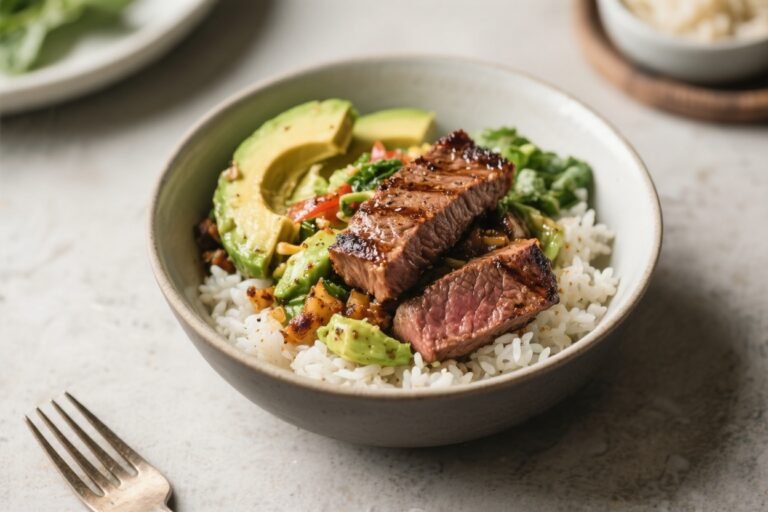
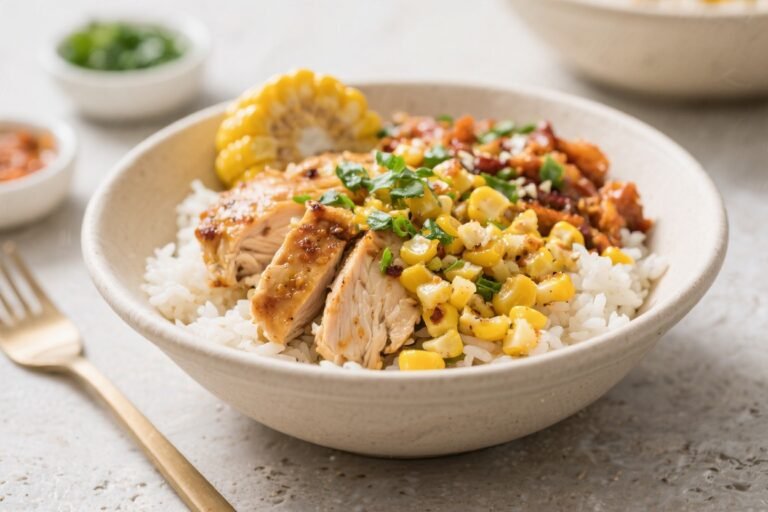
Fresh Dill Salmon Cucumber Bowls – Bright, Crunchy, and Satisfying
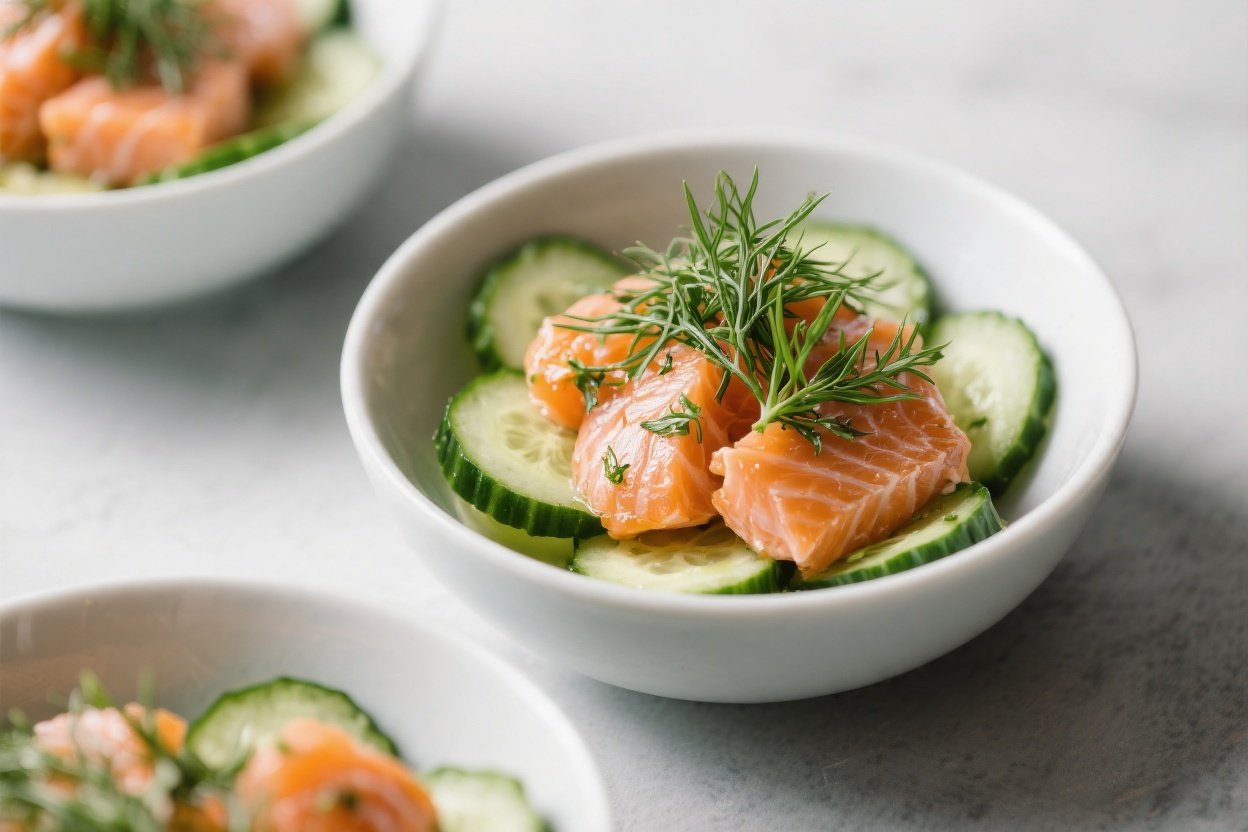
This is one of those meals that looks impressive but comes together without stress. Think flaky salmon, crisp cucumbers, and a creamy dill sauce that pulls everything together. It’s cool, refreshing, and perfect when you want something light yet filling.
Stop wondering what's for dinner.
Get 7 healthy, family-friendly dinners complete with recipes and simple meal plans delivered straight to your inbox.
You can prep most of it ahead, assemble in minutes, and still feel like you made something special. If you’re craving clean flavors with a bit of crunch, these bowls hit the spot.
Ingredients
Method
- Cook your grain base. Make rice, quinoa, or farro according to package directions. Fluff and let it steam off so it’s not too wet. You can cook this a day ahead and chill.
- Quick-pickle the onion. Toss thinly sliced red onion with a pinch of salt, a squeeze of lemon, and a splash of vinegar. Let it sit while you prep everything else. This softens the bite and adds brightness.
- Make the dill yogurt sauce. In a bowl, combine Greek yogurt, 2 to 3 tablespoons finely chopped fresh dill, zest of one lemon, 1 to 2 tablespoons lemon juice, 1 small grated garlic clove, a drizzle of olive oil, salt, and pepper. Stir and taste. It should be tangy and herby; adjust lemon and salt as needed.
- Prep the cucumbers. Slice them into thin half-moons or small chunks. Sprinkle with a pinch of salt. If you like extra crunch, keep them thick; for more juiciness, slice thinner.
- Season the salmon. Pat the fillets dry. Rub with olive oil, salt, pepper, and a light dusting of smoked paprika if you like a hint of warmth. Keep it simple—dill and lemon will do the heavy lifting.
- Cook the salmon. Heat a nonstick or well-seasoned skillet over medium-high. Place salmon skin-side down and cook 4 to 5 minutes, then reduce heat to medium and cook 2 to 4 more minutes, until the flesh flakes and is just opaque. Alternatively, roast at 400°F (205°C) for 10 to 12 minutes. Rest for 3 minutes, then flake into large pieces.
- Toss a quick cucumber salad. Mix cucumbers with a spoonful of the dill sauce, a splash of lemon juice, and a bit more chopped dill. Add a few pickled onions for lift.
- Assemble the bowls. Add a scoop of grains to each bowl. Top with flaked salmon, cucumber salad, extra pickled onions, and a generous dollop of dill yogurt sauce. Finish with a drizzle of olive oil, lemon zest, and a sprinkle of nuts or seeds if using.
- Taste and adjust. Add a pinch of salt, more lemon, or an extra spoon of sauce to balance flavors. You want creamy, tangy, salty, and herby in harmony.
What Makes This Special
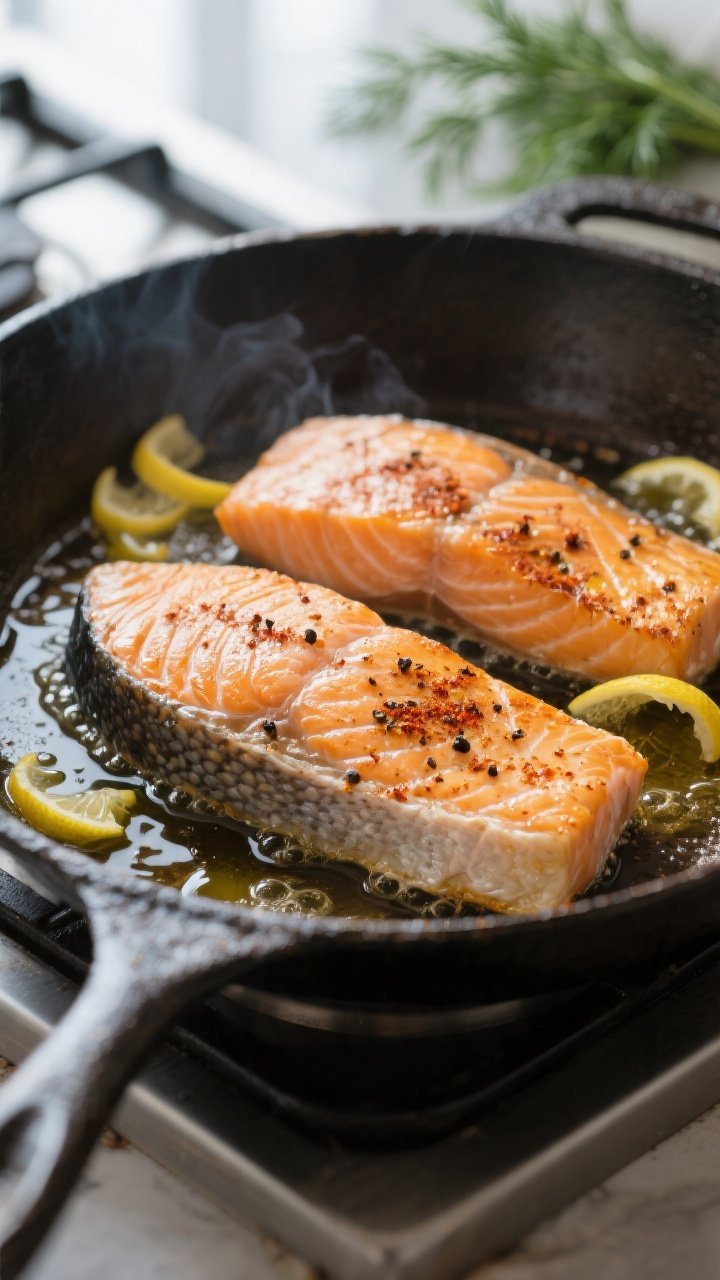
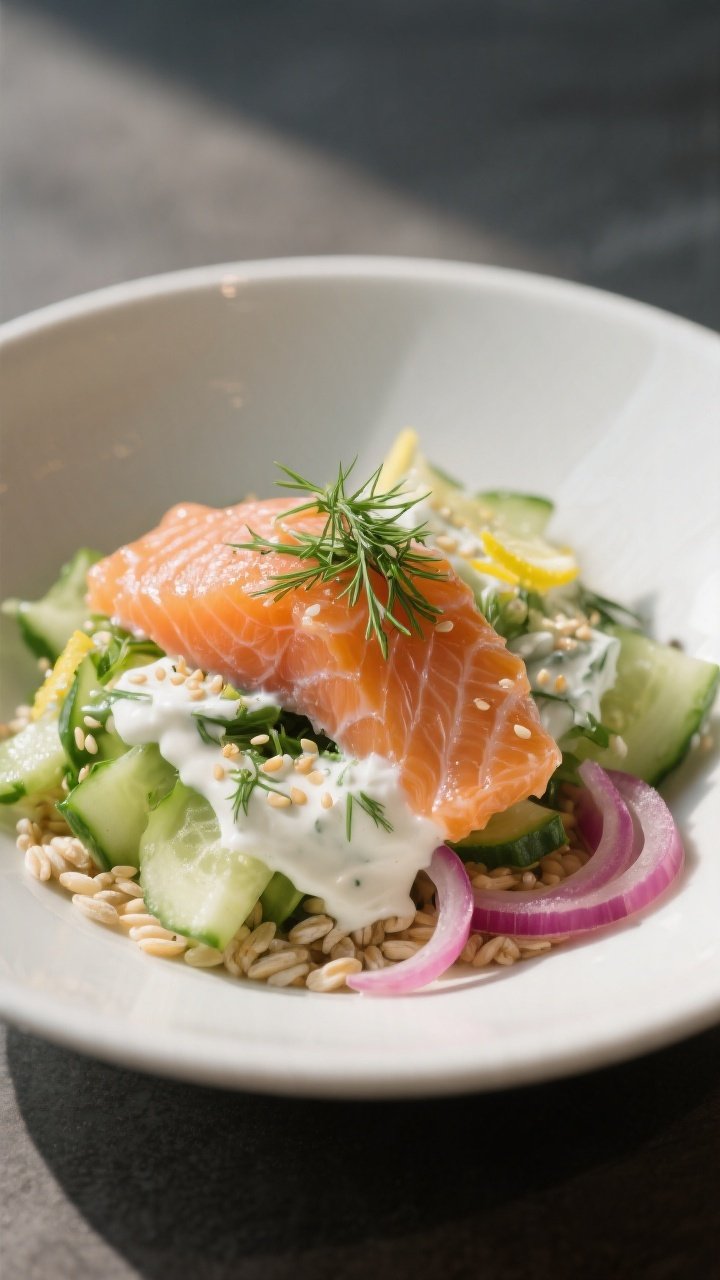
These bowls balance textures and temperatures in a way that keeps every bite interesting. The warm, tender salmon plays off cool cucumbers and a tangy, herby sauce.
There’s no heavy cooking or complicated steps, just straightforward techniques with big payoff. Plus, it’s easy to customize for different diets or what you have on hand.
The star is the fresh dill. It’s bright, grassy, and adds a signature flavor you can’t get from dried herbs. Paired with lemon and a touch of garlic, the sauce wakes up the whole dish.
You end up with something that tastes like summer, even on a busy weeknight.
Shopping List
- Salmon: 1 to 1.5 pounds skin-on salmon fillets
- Cucumbers: 2 English cucumbers or 4 Persian cucumbers
- Fresh dill: 1 large bunch (about 1 cup loosely packed)
- Lemon: 1 to 2 lemons (zest and juice)
- Greek yogurt: 1 cup (2% or whole milk for best texture)
- Olive oil: Extra-virgin, for cooking and drizzling
- Garlic: 1 to 2 small cloves
- Cooked grains (base): 2 to 3 cups cooked rice, quinoa, or farro
- Red onion or shallot: 1 small, thinly sliced
- Fresh herbs (optional add-ins): Mint or parsley
- Spices: Kosher salt, black pepper, optional smoked paprika
- Vinegar: Red wine vinegar or white wine vinegar (for quick pickling)
- Crunchy topper (optional): Toasted almonds, pistachios, or sesame seeds
How to Make It
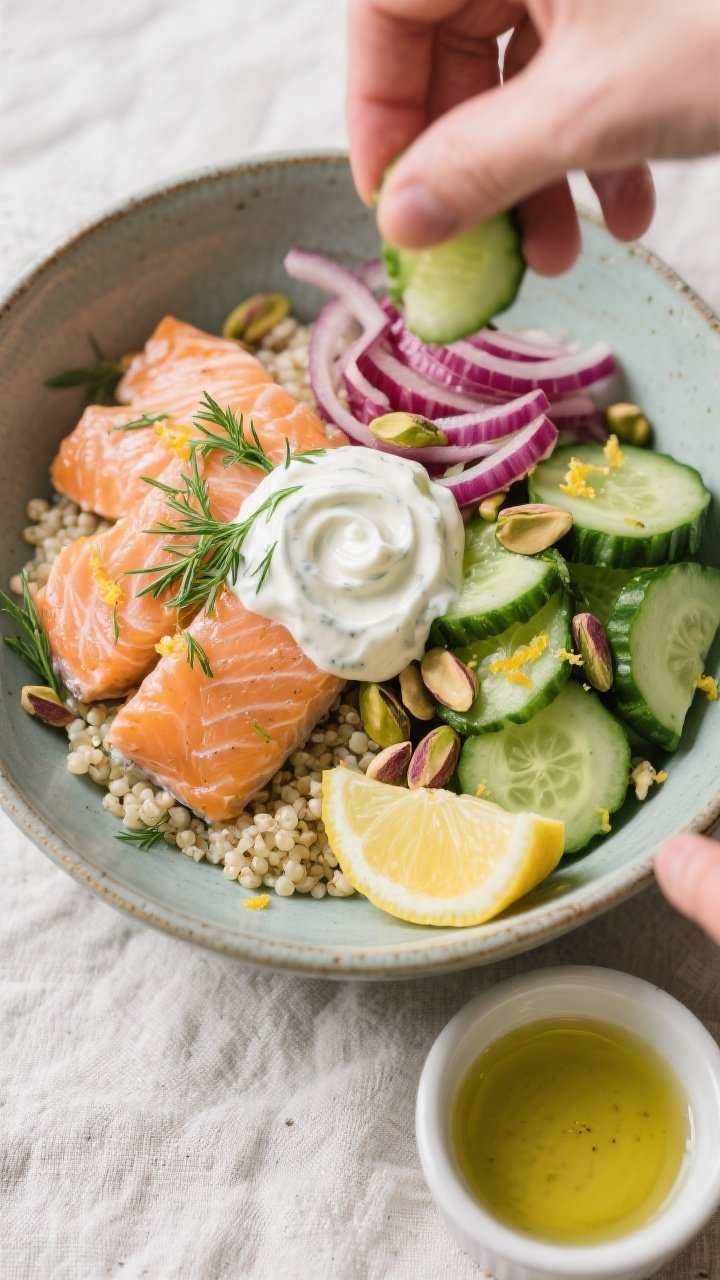
- Cook your grain base. Make rice, quinoa, or farro according to package directions. Fluff and let it steam off so it’s not too wet. You can cook this a day ahead and chill.
- Quick-pickle the onion. Toss thinly sliced red onion with a pinch of salt, a squeeze of lemon, and a splash of vinegar.
Let it sit while you prep everything else. This softens the bite and adds brightness.
- Make the dill yogurt sauce. In a bowl, combine Greek yogurt, 2 to 3 tablespoons finely chopped fresh dill, zest of one lemon, 1 to 2 tablespoons lemon juice, 1 small grated garlic clove, a drizzle of olive oil, salt, and pepper. Stir and taste.
It should be tangy and herby; adjust lemon and salt as needed.
- Prep the cucumbers. Slice them into thin half-moons or small chunks. Sprinkle with a pinch of salt. If you like extra crunch, keep them thick; for more juiciness, slice thinner.
- Season the salmon. Pat the fillets dry.
Rub with olive oil, salt, pepper, and a light dusting of smoked paprika if you like a hint of warmth. Keep it simple—dill and lemon will do the heavy lifting.
- Cook the salmon. Heat a nonstick or well-seasoned skillet over medium-high. Place salmon skin-side down and cook 4 to 5 minutes, then reduce heat to medium and cook 2 to 4 more minutes, until the flesh flakes and is just opaque.
Alternatively, roast at 400°F (205°C) for 10 to 12 minutes. Rest for 3 minutes, then flake into large pieces.
- Toss a quick cucumber salad. Mix cucumbers with a spoonful of the dill sauce, a splash of lemon juice, and a bit more chopped dill. Add a few pickled onions for lift.
- Assemble the bowls. Add a scoop of grains to each bowl.
Top with flaked salmon, cucumber salad, extra pickled onions, and a generous dollop of dill yogurt sauce. Finish with a drizzle of olive oil, lemon zest, and a sprinkle of nuts or seeds if using.
- Taste and adjust. Add a pinch of salt, more lemon, or an extra spoon of sauce to balance flavors. You want creamy, tangy, salty, and herby in harmony.
Keeping It Fresh
Store components separately. Keep salmon, cucumbers, grains, and sauce in their own containers.
This prevents sogginess and keeps textures crisp. Assemble right before eating.
Cooked salmon lasts up to 2 days in the fridge. The dill yogurt sauce keeps for 3 to 4 days; give it a stir before using.
Cucumbers are best within 24 hours once salted, but unseasoned slices can last a couple of days. If you’re packing lunch, put the sauce in a small side container and add just before eating.
Health Benefits
- Omega-3s from salmon: Support heart, brain, and joint health.
- Protein-rich base: Salmon and Greek yogurt offer satisfying protein that keeps you full.
- Fiber from grains and veg: Quinoa, farro, and cucumbers add steady energy and digestive support.
- Lower-sodium, high-flavor: Lemon, dill, and vinegar build flavor without relying on excess salt.
- Calcium and probiotics: Greek yogurt brings creamy texture plus gut-friendly benefits, especially if using live-culture yogurt.
Pitfalls to Watch Out For
- Overcooking salmon: Dry salmon loses its delicate texture. Pull it as soon as it flakes and looks just opaque in the center.
- Watery cucumbers: If you slice too early and add salt, they release water.
Salt them right before serving or leave them unsalted until assembly.
- Heavy-handed garlic: Raw garlic is potent. Start small in the sauce; you can always add more.
- Unbalanced seasoning: Without enough acid or salt, the bowl can taste flat. Taste at every step—lemon and a pinch of salt can transform the dish.
- Hot grains + cold sauce shock: If the grains are steaming hot, the sauce can slide off.
Let grains cool slightly for better texture and flavor.
Variations You Can Try
- Grain swap: Use cauliflower rice for a low-carb base, or bulgur for quick prep.
- Greens bowl: Skip grains and build on chopped romaine, arugula, or baby spinach for a lighter salad-style bowl.
- Spice it up: Add a pinch of cayenne, Aleppo pepper, or drizzle with chili crisp for gentle heat.
- Tzatziki twist: Grate some cucumber into the yogurt sauce, squeeze out excess water, and add a splash of vinegar for a tzatziki vibe.
- Different protein: Try seared shrimp, grilled chicken, or crispy chickpeas if you’re out of salmon.
- Herb mix: Combine dill with mint and parsley for extra brightness.
- Roasted veg add-on: Toss in roasted cherry tomatoes, asparagus, or zucchini for more color and warmth.
Save time, eat healthier, and take the stress out of dinner.
Get a full week of easy healthy dinners delivered straight to your inbox.
FAQ
Can I use canned salmon?
Yes. Choose boneless, skinless canned salmon, drain it well, and flake it gently. Warm it briefly in a skillet with a splash of olive oil and lemon, or serve it cold.
Fresh dill sauce and cucumbers will dress it up nicely.
What cucumbers work best?
English or Persian cucumbers are ideal because their skin is thin and seeds are small. If using standard slicing cucumbers, peel them and scoop out the seeds to prevent excess water.
Can I make it dairy-free?
Swap the Greek yogurt for a thick, unsweetened coconut yogurt or a dairy-free yogurt made from almonds or cashews. Add a little extra lemon and dill to keep the flavor bright.
How do I know when the salmon is done?
Look for flesh that flakes easily with a fork and is just opaque in the center.
If you have a thermometer, aim for 125°F to 130°F for medium. Let it rest a few minutes before flaking.
Is this good for meal prep?
Absolutely. Cook the grains, make the sauce, and prep the cucumbers and onions ahead.
Cook the salmon the day you plan to eat for the best texture, or cook it a day in advance and keep it chilled. Assemble just before serving.
Can I grill the salmon?
Yes. Oil the grates well and grill over medium heat, 3 to 4 minutes per side depending on thickness.
A cedar plank also works and adds gentle smokiness that pairs well with dill.
What can I use instead of dill?
Parsley and mint together mimic some of dill’s freshness. You can also try chives for a mild onion note. The flavor will change, but the bowl will still be bright and herb-forward.
How do I make it kid-friendly?
Keep the sauce mild—use less garlic and lemon—and serve cucumbers plain on the side.
Flake the salmon into small pieces and offer toppings separately so kids can build their own bowl.
In Conclusion
Fresh Dill Salmon Cucumber Bowls bring clean, lively flavors together with very little fuss. You get flaky salmon, crisp cucumbers, and a creamy herb sauce that tastes like sunshine in a bowl. Keep the steps simple, taste as you go, and lean on fresh dill and lemon to make everything pop.
It’s a flexible, satisfying meal you’ll want on repeat—easy enough for weeknights, special enough for guests.
Printable Recipe Card
Want just the essential recipe details without scrolling through the article? Get our printable recipe card with just the ingredients and instructions.
Loved This Recipe?
If you're looking for more simple, healthy dinners your family will actually eat, grab my FREE 7-Day Easy Dinner Reset. You'll get 7 easy dinner recipes, simple grocery lists, and a done-for-you plan that takes the stress out of mealtime.