Lazy Teriyaki Chicken Rice Bowls – Quick, Comforting, and Weeknight-Friendly
Teriyaki chicken rice bowls are one of those dinners that feel like a treat but take almost no effort. You get juicy chicken, glossy sweet-savory sauce, warm rice, and crisp veggies in every bite. This version is built for weeknights, shortcuts, and minimal dishes.
Stop wondering what's for dinner.
Get 7 healthy, family-friendly dinners complete with recipes and simple meal plans delivered straight to your inbox.
No special skills, no long marinades, and no hunting for hard-to-find ingredients. Just real flavor, fast, with plenty of room to tweak it to your taste.
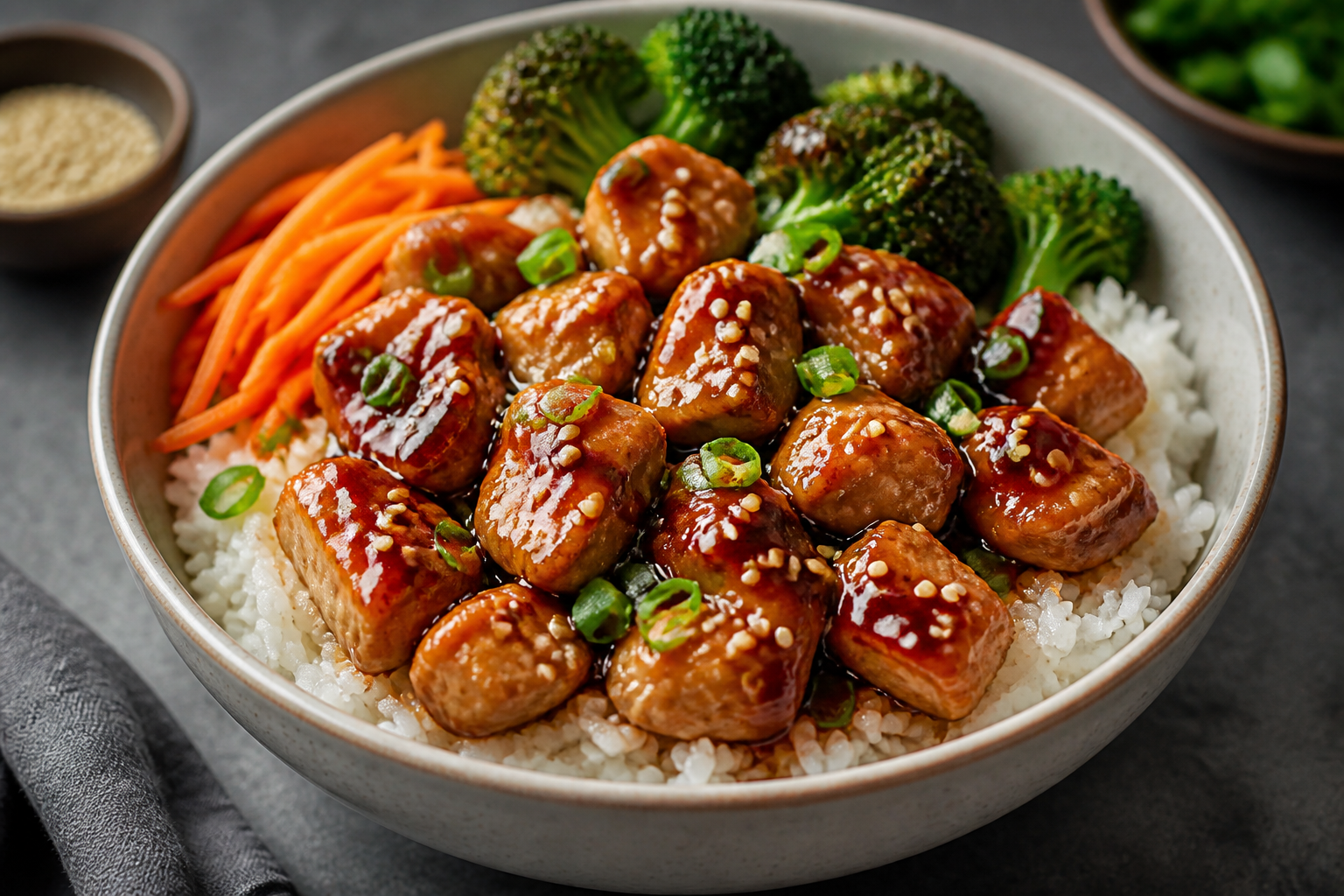
Lazy Teriyaki Chicken Rice Bowls - Quick, Comforting, and Weeknight-Friendly
Ingredients
Method
- Cook the rice first. If you don’t have leftover rice, start a fresh batch. Rice cookers are perfect here. Warm rice ready at the end makes the whole dish feel effortless.
- Whisk the sauce. In a bowl or measuring cup, combine soy sauce, brown sugar, rice vinegar, mirin or honey, sesame oil, garlic, and ginger. Stir until the sugar mostly dissolves. Keep the cornstarch slurry separate for now.
- Prep the chicken. Pat the chicken dry and season lightly with salt and pepper. Don’t over-salt; the soy sauce will add plenty of seasoning.
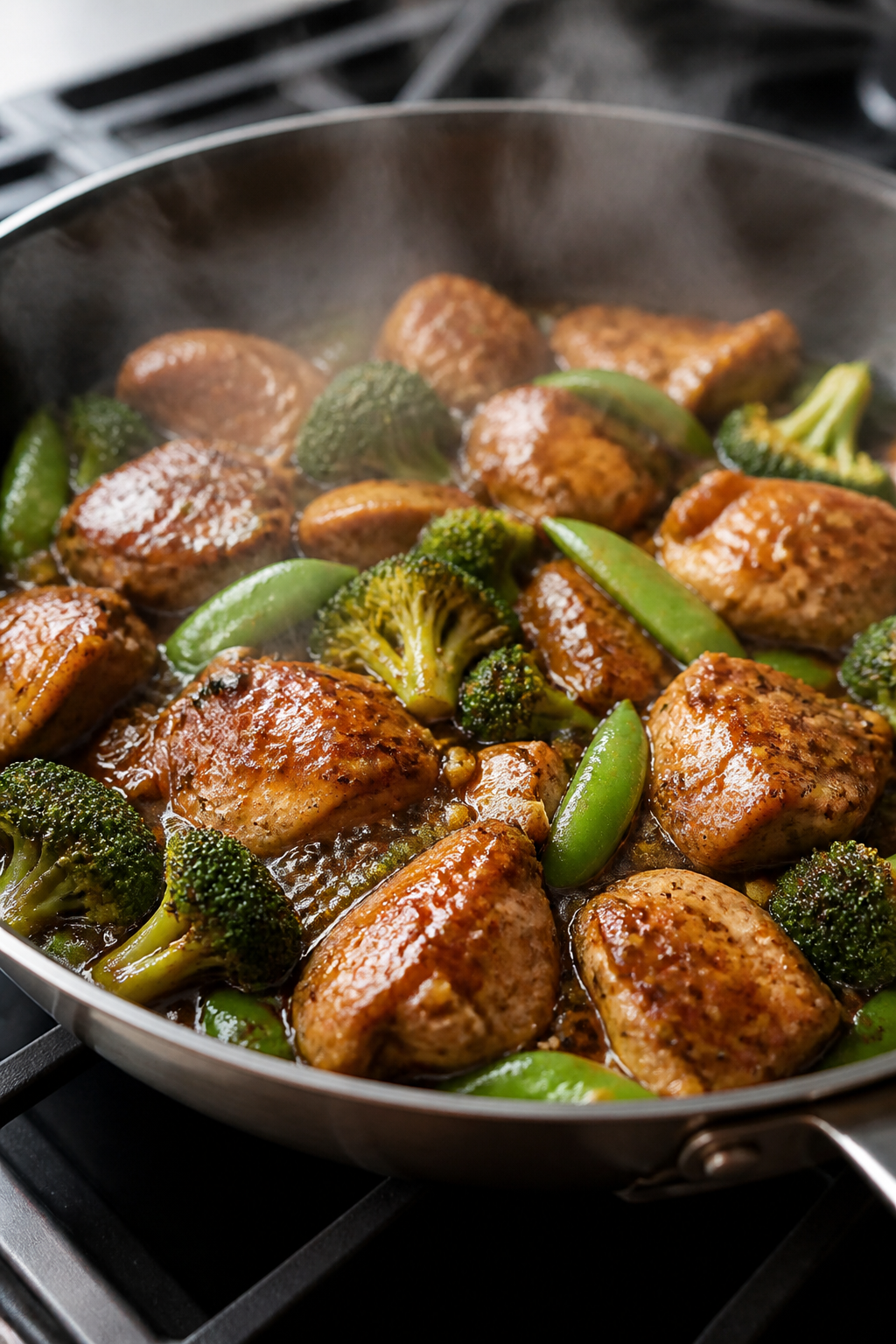
- Sear the chicken. Heat oil in a large skillet over medium-high. Add the chicken in a single layer. Let it sear without moving it for 2–3 minutes to get some color, then stir and cook until the pieces are just cooked through, about 5–7 minutes total.
- Steam or sauté the veggies. If using fresh vegetables, you can toss them into the pan with a splash of water and let them steam for 2–3 minutes. If using frozen, microwave them until just tender to save time, or add them directly to the pan and cook until warmed through.
- Add the sauce base. Pour the soy mixture into the skillet with the chicken and veggies. Bring it to a gentle simmer so the flavors meld.
- Thicken the sauce. Stir the cornstarch slurry to recombine, then pour it into the simmering sauce while stirring. Cook 1–2 minutes until the sauce turns glossy and coats the chicken. If it gets too thick, add a splash of water.
- Taste and tweak. Adjust to your liking—more vinegar for brightness, more sugar or honey for sweetness, or a bit more soy for saltiness. A squeeze of lime can wake up the flavors.
- Assemble the bowls. Spoon rice into bowls. Top with the teriyaki chicken and veggies. Finish with green onions, sesame seeds, and chili flakes if you like some heat.
- Serve hot. Enjoy right away while the sauce is silky and the rice is steamy.
What Makes This Recipe So Good
- Fast and forgiving: You can make this in 25–30 minutes, even if you’re moving slowly.
- One-pan sauce: The teriyaki cooks in the same pan as the chicken for fewer dishes and deeper flavor.
- Kitchen-staple ingredients: Soy sauce, brown sugar, garlic, and ginger do the heavy lifting.
- Flexible add-ins: Toss in any veggie you like—frozen, fresh, or leftover.
- Meal-prep friendly: It reheats well and holds up for a few days without getting soggy.
Ingredients
- For the Chicken and Rice:
- 1.5 pounds boneless, skinless chicken thighs (or breasts), cut into bite-size pieces
- 2 tablespoons neutral oil (canola, avocado, or vegetable)
- 3 cups cooked rice (jasmine, basmati, or brown)
- 2 cups mixed vegetables (broccoli florets, carrots, snap peas, or frozen stir-fry mix)
- For the Teriyaki Sauce:
- 1/2 cup low-sodium soy sauce (or tamari for gluten-free)
- 1/3 cup brown sugar (light or dark)
- 2 tablespoons rice vinegar (or apple cider vinegar)
- 2 tablespoons mirin or honey (optional, for extra gloss and sweetness)
- 2 teaspoons toasted sesame oil
- 3 cloves garlic, minced
- 1 tablespoon fresh grated ginger (or 1 teaspoon ground ginger)
- 1 tablespoon cornstarch mixed with 2 tablespoons cold water
- For Serving:
- 2 green onions, thinly sliced
- Sesame seeds
- Chili flakes or sriracha (optional)
- Lime wedges (optional, but brightens everything)
How to Make It
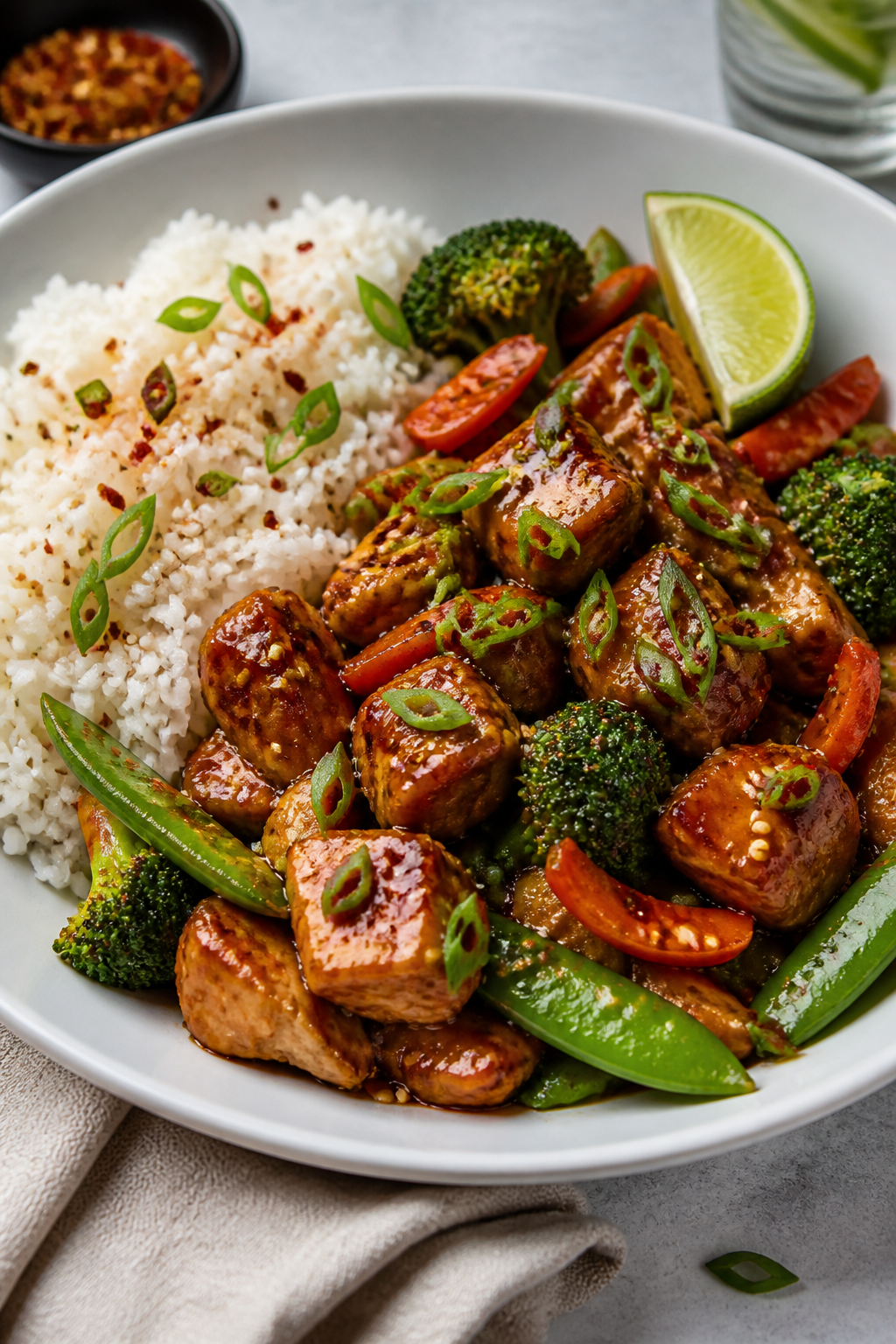
- Cook the rice first. If you don’t have leftover rice, start a fresh batch. Rice cookers are perfect here.
Warm rice ready at the end makes the whole dish feel effortless.
- Whisk the sauce. In a bowl or measuring cup, combine soy sauce, brown sugar, rice vinegar, mirin or honey, sesame oil, garlic, and ginger. Stir until the sugar mostly dissolves. Keep the cornstarch slurry separate for now.
- Prep the chicken. Pat the chicken dry and season lightly with salt and pepper.
Don’t over-salt; the soy sauce will add plenty of seasoning.
- Sear the chicken. Heat oil in a large skillet over medium-high. Add the chicken in a single layer. Let it sear without moving it for 2–3 minutes to get some color, then stir and cook until the pieces are just cooked through, about 5–7 minutes total.
- Steam or sauté the veggies. If using fresh vegetables, you can toss them into the pan with a splash of water and let them steam for 2–3 minutes.
If using frozen, microwave them until just tender to save time, or add them directly to the pan and cook until warmed through.
- Add the sauce base. Pour the soy mixture into the skillet with the chicken and veggies. Bring it to a gentle simmer so the flavors meld.
- Thicken the sauce. Stir the cornstarch slurry to recombine, then pour it into the simmering sauce while stirring. Cook 1–2 minutes until the sauce turns glossy and coats the chicken.
If it gets too thick, add a splash of water.
- Taste and tweak. Adjust to your liking—more vinegar for brightness, more sugar or honey for sweetness, or a bit more soy for saltiness. A squeeze of lime can wake up the flavors.
- Assemble the bowls. Spoon rice into bowls. Top with the teriyaki chicken and veggies.
Finish with green onions, sesame seeds, and chili flakes if you like some heat.
- Serve hot. Enjoy right away while the sauce is silky and the rice is steamy.
How to Store
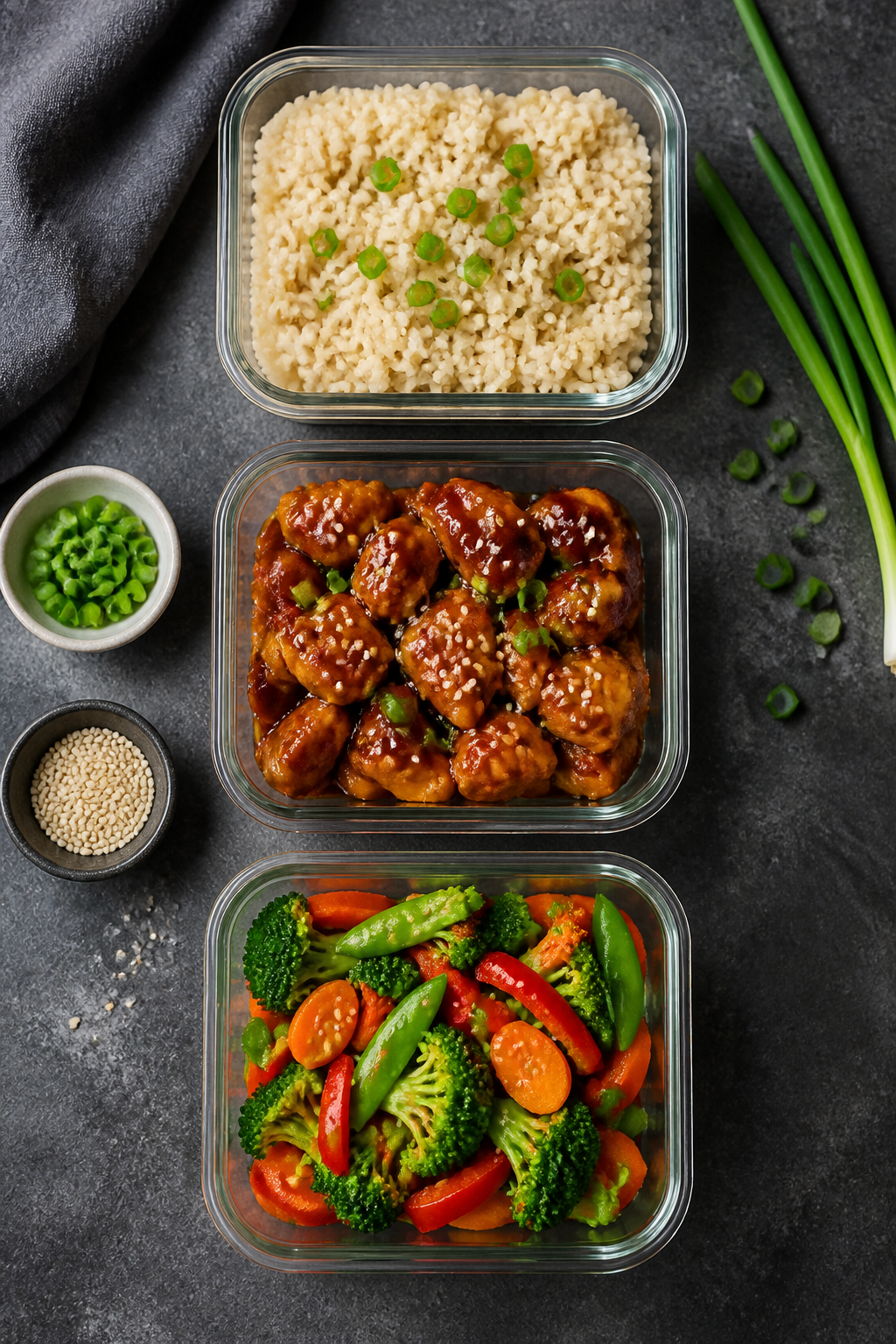
- Refrigerator: Store in an airtight container for up to 4 days. Keep rice separate if you want to maintain the best texture.
- Freezer: Freeze in portioned containers for up to 2 months. Thaw overnight in the fridge before reheating.
- Reheat: Microwave with a damp paper towel over the bowl to keep rice from drying out.
Add a splash of water to loosen the sauce as needed.
Why This is Good for You
- Protein-rich: Chicken provides steady energy and helps keep you full.
- Balanced bowl: You’re getting carbs from rice, protein from chicken, and fiber and micronutrients from veggies.
- Lower sodium control: Using low-sodium soy sauce and tasting as you go keeps salt levels in check.
- Better-than-takeout: Fewer additives, fresher ingredients, and you decide the sweetness.
What Not to Do
- Don’t overcrowd the pan. Crowding leads to steaming instead of searing. Cook the chicken in two batches if needed.
- Don’t skip the cornstarch slurry. Adding dry cornstarch to hot sauce can clump. Always mix it with cold water first.
- Don’t boil the sauce hard. A violent boil can break the sauce or make it gummy.
Keep it at a gentle simmer.
- Don’t overcook the chicken. Small pieces cook fast. Pull them when they’re just done to keep them tender.
- Don’t rely solely on soy for seasoning. Balance is key—sweet, salty, tangy, and a bit of heat if you like.
Alternatives
- Protein swaps: Use tofu (press and pan-sear), shrimp (cook quickly and remove before thickening the sauce), or thinly sliced beef.
- Grain base: Try brown rice, cauliflower rice, quinoa, or even noodles for a fun twist.
- No cornstarch: Use arrowroot or reduce the sauce longer for a natural glaze.
- No soy: Use coconut aminos (sweeter and less salty) and reduce the brown sugar a bit.
- Vegetable variations: Bell peppers, mushrooms, edamame, and zucchini all work well. Use what you have.
- Spice lovers: Add sriracha, gochujang, or chili-garlic sauce to the teriyaki for a kick.
FAQ
Can I make this ahead for meal prep?
Yes.
Save time, eat healthier, and take the stress out of dinner.
Get a full week of easy healthy dinners delivered straight to your inbox.
Portion rice, chicken, and veggies into containers and store for up to 4 days. Keep garnishes separate and add right before eating.
What if I don’t have fresh ginger?
Use 1 teaspoon ground ginger in the sauce. It’s not identical, but it still gives that warm, familiar flavor.
How do I keep the chicken tender?
Cut it into even pieces and avoid overcooking.
Thighs are more forgiving than breasts, so they’re a good lazy-night choice.
Can I reduce the sugar?
Absolutely. Start with 2 tablespoons brown sugar and adjust. You can add a little honey for sweetness without making the sauce thin.
Is this gluten-free?
Yes, if you use tamari or certified gluten-free soy sauce and check that your vinegar and other add-ins are gluten-free.
What vegetables work best?
Broccoli, carrots, snap peas, bell peppers, and edamame hold up well.
Frozen stir-fry blends save time and taste great here.
How can I make the sauce glossy without cornstarch?
Simmer it longer to reduce and concentrate, or use arrowroot. Arrowroot thickens at lower temperatures and keeps a nice sheen.
Can I use rotisserie chicken?
Yes. Warm the shredded chicken, pour the sauce over, and simmer briefly to coat.
It’s the fastest route to dinner.
What’s the best rice for bowls?
Jasmine or medium-grain white rice gives a soft, sticky base. Brown rice adds nuttiness and fiber. Use what you enjoy.
How do I avoid a salty sauce?
Use low-sodium soy sauce, taste before salting the chicken, and balance with a splash of vinegar and a touch of sweetness.
Final Thoughts
Lazy Teriyaki Chicken Rice Bowls are the kind of meal you can cook on autopilot and still feel proud to serve.
It’s flexible, cozy, and easy to customize with whatever you’ve got in the fridge. Keep the sauce ingredients on hand and you’re never far from a quick, satisfying dinner. Make it tonight, tweak it to your taste, and save the extras for tomorrow’s lunch.
Simple, fast, and full of flavor—just the way weeknights should be.
Printable Recipe Card
Want just the essential recipe details without scrolling through the article? Get our printable recipe card with just the ingredients and instructions.
Loved This Recipe?
If you're looking for more simple, healthy dinners your family will actually eat, grab my FREE 7-Day Easy Dinner Reset. You'll get 7 easy dinner recipes, simple grocery lists, and a done-for-you plan that takes the stress out of mealtime.