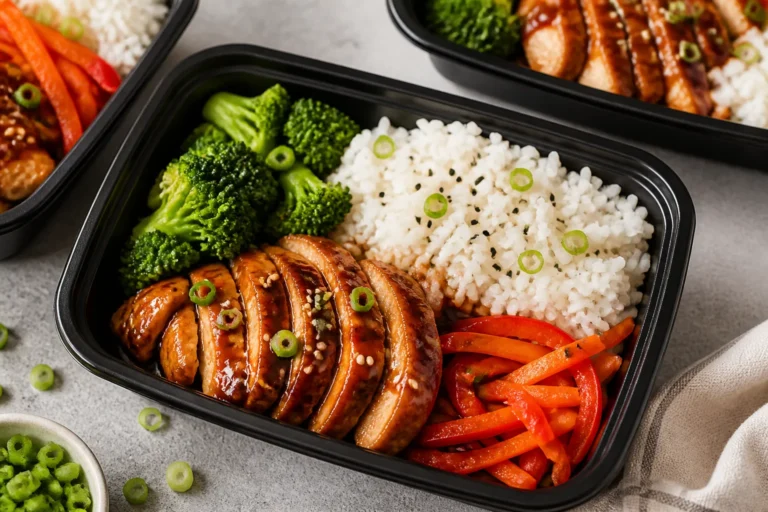
High Protein Chicken Teriyaki Bowls – Simple, Satisfying, and Meal-Prep Friendly
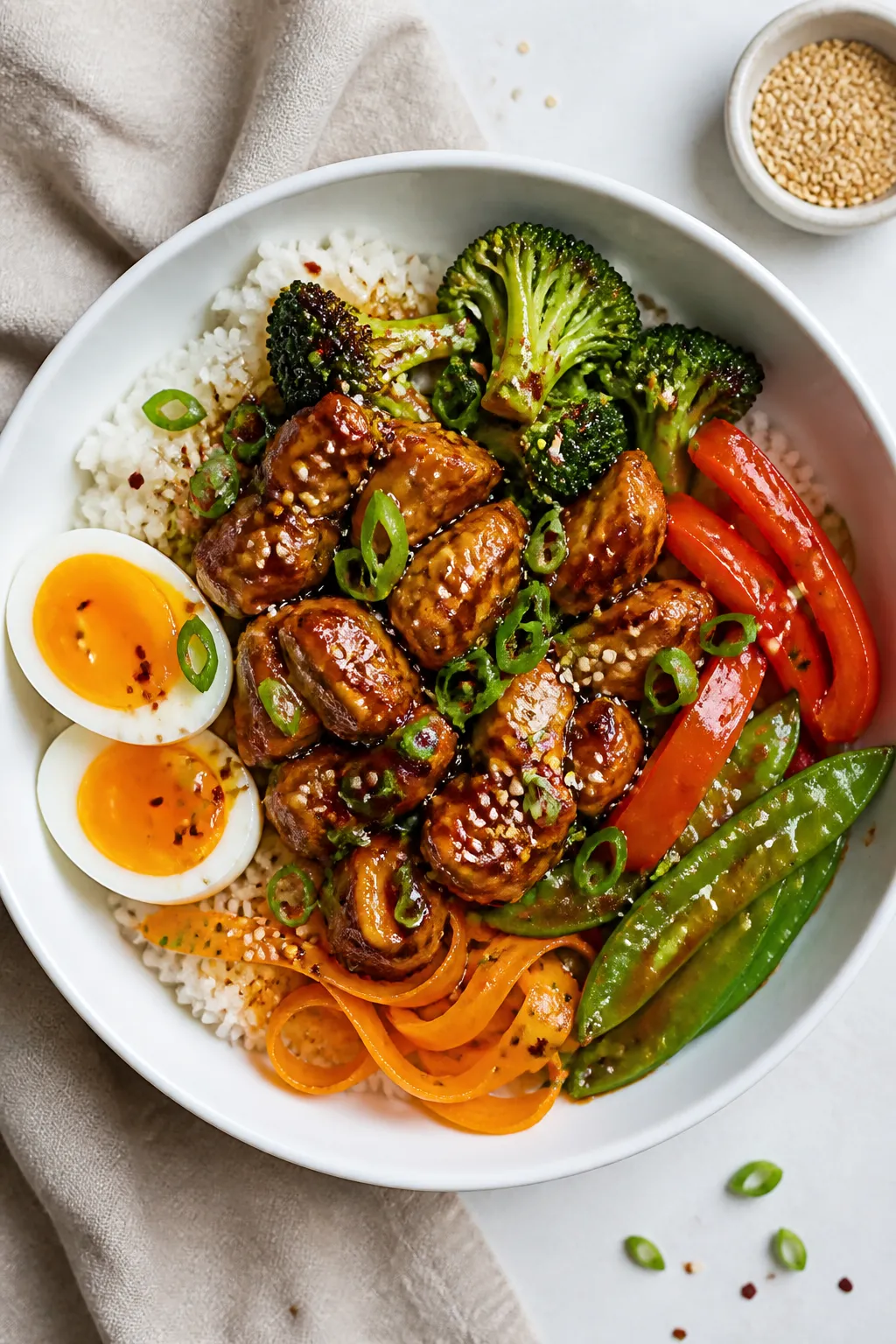
If you love a takeout-style meal that actually fuels your day, these High Protein Chicken Teriyaki Bowls are the kind of recipe you’ll make on repeat. They’re sweet, savory, and loaded with lean protein and colorful vegetables. The sauce comes together fast with pantry staples, and the whole dish works for weeknights or meal prep.
Stop wondering what's for dinner.
Get 7 healthy, family-friendly dinners complete with recipes and simple meal plans delivered straight to your inbox.
You’ll get a balanced bowl that hits that comfort-food note while keeping nutrition front and center.
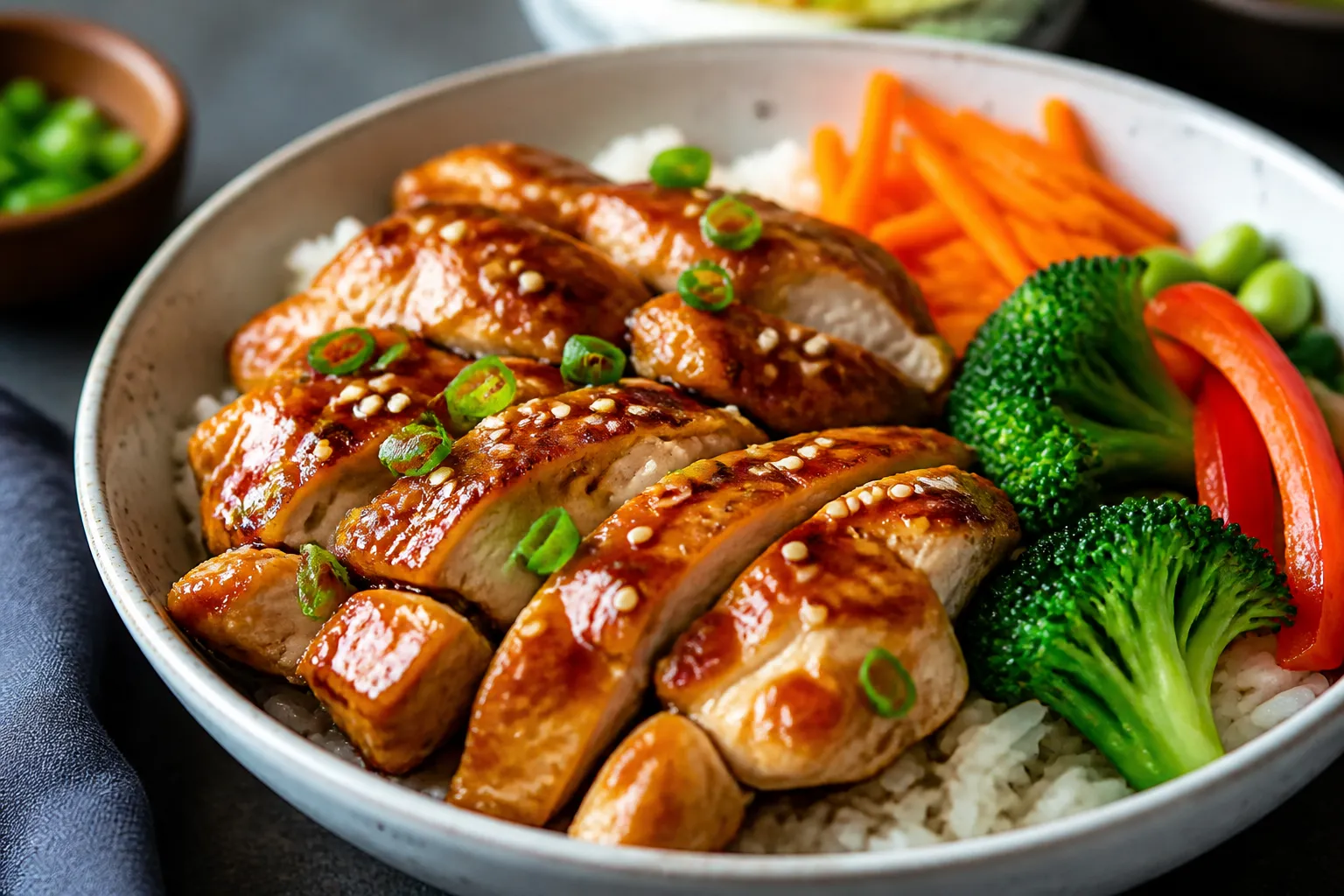
High Protein Chicken Teriyaki Bowls - Simple, Satisfying, and Meal-Prep Friendly
Ingredients
Method
- Prep the chicken. Pat the chicken dry and cut into 1-inch pieces. Season lightly with salt and pepper. This helps it sear well and stay flavorful.
- Whisk the sauce. In a bowl, combine soy sauce, honey, rice vinegar, sesame oil, garlic, and ginger. Taste and adjust sweetness or saltiness to your liking.
- Marinate briefly. Pour half the sauce over the chicken and toss to coat. Marinate for 10–20 minutes at room temperature while you chop vegetables. Reserve the remaining sauce for the pan.
- Cook the rice. Start your rice if you haven’t already. Fluff and keep warm. For extra protein, stir in steamed edamame after cooking.
- Sear the chicken. Heat a large skillet over medium-high. Add 1 tablespoon oil. Cook the chicken in a single layer, undisturbed, for 2–3 minutes to get color, then stir and cook until just cooked through, about 5–7 minutes total. Transfer to a plate.
- Stir-fry the veggies. In the same pan, add another drizzle of oil if needed. Add broccoli, bell pepper, snap peas, and carrots with a pinch of salt. Stir-fry 3–4 minutes until crisp-tender.
- Make it saucy. Return chicken to the pan. Stir the cornstarch slurry into the reserved sauce and pour it over everything. Cook 1–2 minutes, stirring, until the sauce turns glossy and thick and coats the chicken and veggies.
- Finish and taste. Sprinkle in sliced green onions and a few sesame seeds. Taste and adjust with more vinegar for brightness or honey for sweetness.
- Assemble the bowls. Add rice to each bowl, then top with chicken and veggies. Finish with sesame seeds, extra green onions, and red pepper flakes. Optional: add a soft-scrambled egg or halved jammy egg for even more protein.
What Makes This Special
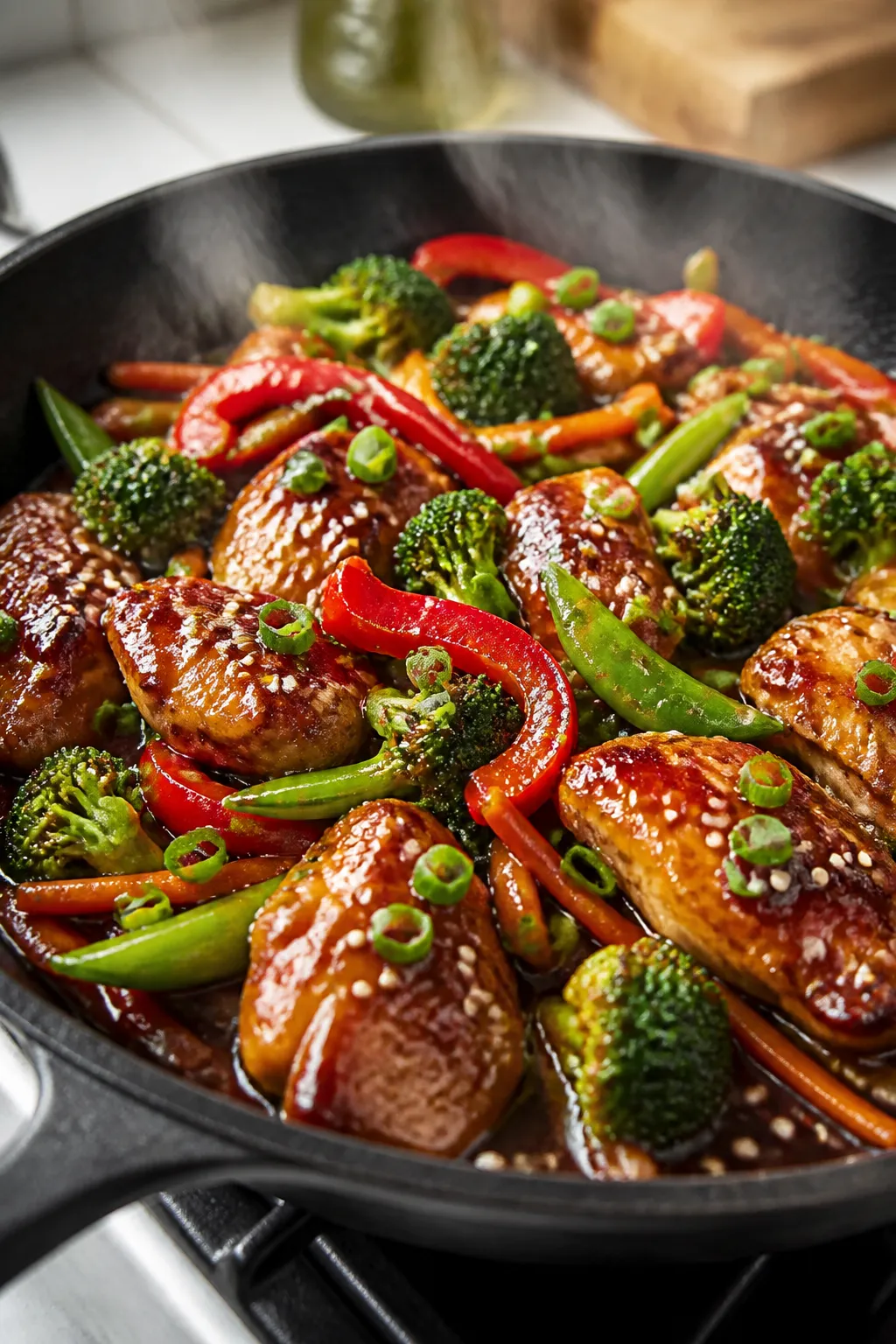
These bowls give you the flavor you expect from teriyaki, without the heavy, sugary feel. The sauce is glossy and clean-tasting, with a base of soy sauce, garlic, ginger, and a touch of honey. The chicken cooks quickly and stays juicy from a short marinade.
Add warm rice, crisp-tender veggies, and a few toppings, and you’ve got a bowl that tastes restaurant-level with minimal effort.
It’s also easy to scale up. Whether you’re feeding a family or stocking your fridge, the components keep well and reheat nicely. If you’re tracking macros, this recipe is a simple way to hit your protein goals while keeping carbs and fats in check.
Shopping List
- Chicken: 1.5–2 pounds boneless, skinless chicken breasts or thighs (thighs stay extra juicy)
- Rice: 3 cups cooked rice (jasmine, brown, or cauliflower rice for lower carbs)
- Vegetables: 2 cups broccoli florets, 1 red bell pepper, 1 cup snap peas, 2 carrots (matchsticks or thinly sliced), 3 green onions
- Aromatics: 3 cloves garlic (minced), 1 tablespoon fresh ginger (grated)
- Teriyaki Sauce Base: 1/3 cup low-sodium soy sauce or tamari, 2–3 tablespoons honey or maple syrup, 2 tablespoons rice vinegar, 1 tablespoon toasted sesame oil
- Thickener: 2 teaspoons cornstarch mixed with 2 tablespoons water (slurry)
- Cooking Fats: 1–2 tablespoons avocado or olive oil
- Toppings: Sesame seeds, sliced green onions, red pepper flakes
- Optional Add-Ins: 2 eggs (for soft-scramble or jammy eggs), edamame, pineapple chunks, or shredded cabbage
- Salt and Pepper: To season the chicken lightly
How to Make It
- Prep the chicken. Pat the chicken dry and cut into 1-inch pieces.
Season lightly with salt and pepper. This helps it sear well and stay flavorful.
- Whisk the sauce. In a bowl, combine soy sauce, honey, rice vinegar, sesame oil, garlic, and ginger. Taste and adjust sweetness or saltiness to your liking.
- Marinate briefly. Pour half the sauce over the chicken and toss to coat.
Marinate for 10–20 minutes at room temperature while you chop vegetables. Reserve the remaining sauce for the pan.
- Cook the rice. Start your rice if you haven’t already. Fluff and keep warm.
For extra protein, stir in steamed edamame after cooking.
- Sear the chicken. Heat a large skillet over medium-high. Add 1 tablespoon oil. Cook the chicken in a single layer, undisturbed, for 2–3 minutes to get color, then stir and cook until just cooked through, about 5–7 minutes total.
Transfer to a plate.
- Stir-fry the veggies. In the same pan, add another drizzle of oil if needed. Add broccoli, bell pepper, snap peas, and carrots with a pinch of salt. Stir-fry 3–4 minutes until crisp-tender.
- Make it saucy. Return chicken to the pan.
Stir the cornstarch slurry into the reserved sauce and pour it over everything. Cook 1–2 minutes, stirring, until the sauce turns glossy and thick and coats the chicken and veggies.
- Finish and taste. Sprinkle in sliced green onions and a few sesame seeds. Taste and adjust with more vinegar for brightness or honey for sweetness.
- Assemble the bowls. Add rice to each bowl, then top with chicken and veggies.
Finish with sesame seeds, extra green onions, and red pepper flakes. Optional: add a soft-scrambled egg or halved jammy egg for even more protein.
How to Store
Let everything cool slightly before packing. Store components in airtight containers for up to 4 days in the fridge.
Keep rice separate from the chicken and vegetables if possible, so the texture stays better when reheating. Reheat in a skillet with a splash of water to loosen the sauce, or microwave in short bursts, stirring once.
For the freezer, portion the chicken and sauce with veggies into freezer-safe containers. Freeze for up to 2 months.
Thaw overnight in the fridge and reheat gently. Cooked rice can also be frozen; spread on a tray to cool, then pack in portions.
Health Benefits
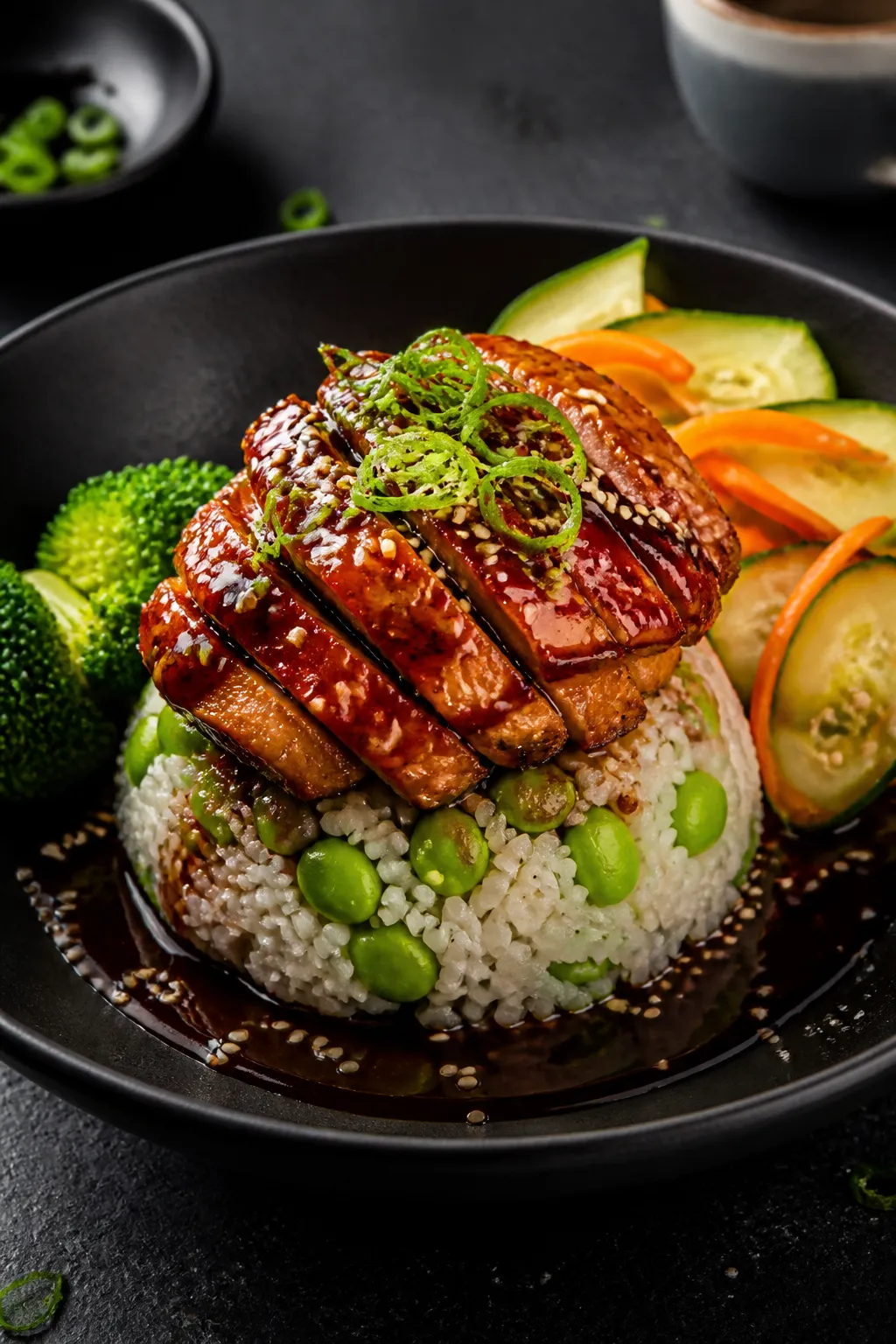
- High Protein: Lean chicken helps with muscle repair and satiety. A single bowl can deliver 30–45 grams of protein, depending on portions and add-ins like eggs or edamame.
- Balanced Macros: Rice provides steady energy, while sesame oil and a light amount of cooking oil add healthy fats for flavor and absorption of fat-soluble nutrients.
- Micronutrient-Rich: Broccoli, peppers, and carrots bring fiber, vitamin C, and beta-carotene, supporting immune health and digestion.
- Lower Sodium Option: Using low-sodium soy sauce or tamari keeps the dish flavorful without pushing salt too high.
- Smart Sweetness: Honey or maple syrup adds a manageable amount of sugar, and the high-protein base helps blunt blood sugar spikes.
What Not to Do
- Don’t overcrowd the pan. Crowding steams the chicken and prevents browning.
Work in batches for the best sear.
- Don’t skip the slurry. Adding cornstarch at the end makes the sauce cling to the chicken and veggies. Without it, the sauce stays thin and underwhelming.
- Don’t overcook the chicken. Small pieces cook fast. Pull them off as soon as they’re just done to keep them tender.
- Don’t forget to taste as you go. Teriyaki should be balanced.
Adjust sweetness, salt, and acidity at the end for the best flavor.
- Don’t add raw marinade back to the pan. If you’ve soaked the chicken, discard that used portion and use the reserved clean sauce to finish.
Alternatives
Save time, eat healthier, and take the stress out of dinner.
Get a full week of easy healthy dinners delivered straight to your inbox.
- Protein Swaps: Use turkey breast, extra-firm tofu (pressed and seared), tempeh, or shrimp. For tofu, crisp it first, then add the sauce at the end.
- Gluten-Free: Choose tamari or coconut aminos and check labels on cornstarch and vinegar. Serve over rice or quinoa.
- Low-Carb: Swap rice for cauliflower rice or shredded cabbage stir-fried with garlic and a dash of soy sauce.
- Vegetable Variations: Try mushrooms, zucchini, baby corn, bok choy, or spinach.
Frozen stir-fry blends also work in a pinch.
- No Sugar Added: Use a zero-calorie sweetener designed for cooking, or reduce sweetener and add extra ginger and a splash of orange juice for natural sweetness.
- Extra Heat: Add sriracha, gochugaru, or chili-garlic sauce to the teriyaki base for a spicy kick.
FAQ
How much protein is in one bowl?
It depends on portions, but a typical serving with about 6 ounces of cooked chicken, vegetables, and rice lands around 35–45 grams of protein. Adding edamame or an egg can push it higher.
Can I make the sauce ahead?
Yes. Mix the sauce ingredients (without the cornstarch slurry) and store in the fridge for up to 1 week.
Whisk in the slurry and cook it when you’re ready to assemble the bowls.
What’s the best rice for this recipe?
Jasmine rice gives that classic takeout feel, while brown rice brings more fiber. For a lighter bowl, use cauliflower rice. Quinoa is also a good, higher-protein base.
How do I keep the chicken tender?
Cut evenly sized pieces, don’t overcook, and give them room in the pan.
A short marinade and a hot skillet both help with tenderness and flavor.
Can I reduce the sodium?
Use low-sodium soy sauce or tamari, and avoid adding extra salt to the vegetables. A squeeze of lemon or extra rice vinegar can boost flavor without more salt.
Do I need mirin for authentic teriyaki?
It’s nice to have, but not essential here. Rice vinegar and honey give you a similar sweet-tangy balance.
If you do have mirin, swap some of the honey and vinegar for it.
How can I add even more protein without changing the flavor?
Stir in shelled edamame, top with a soft-boiled egg, or serve over quinoa. You can also bump up the chicken portion slightly per bowl.
What if I don’t have fresh ginger?
Use 1/2 teaspoon ground ginger in a pinch. It’s less bright than fresh, so add a small squeeze of lemon for a fresher finish.
In Conclusion
High Protein Chicken Teriyaki Bowls check all the boxes: quick to make, big on flavor, and naturally balanced.
With a handful of staples and some fresh veggies, you can build a weeknight meal that tastes like takeout and supports your goals. Keep the process simple, taste as you go, and make it your own with the swaps you like. This is the kind of bowl you’ll want on your menu every single week.
Printable Recipe Card
Want just the essential recipe details without scrolling through the article? Get our printable recipe card with just the ingredients and instructions.
Loved This Recipe?
If you're looking for more simple, healthy dinners your family will actually eat, grab my FREE 7-Day Easy Dinner Reset. You'll get 7 easy dinner recipes, simple grocery lists, and a done-for-you plan that takes the stress out of mealtime.