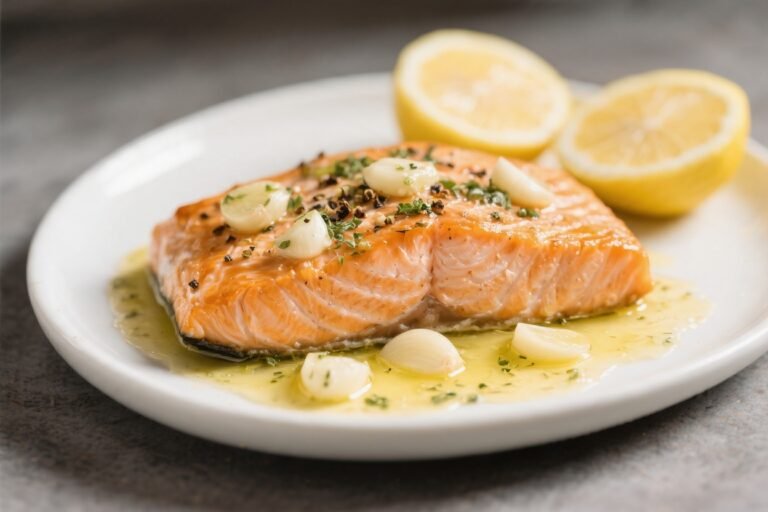
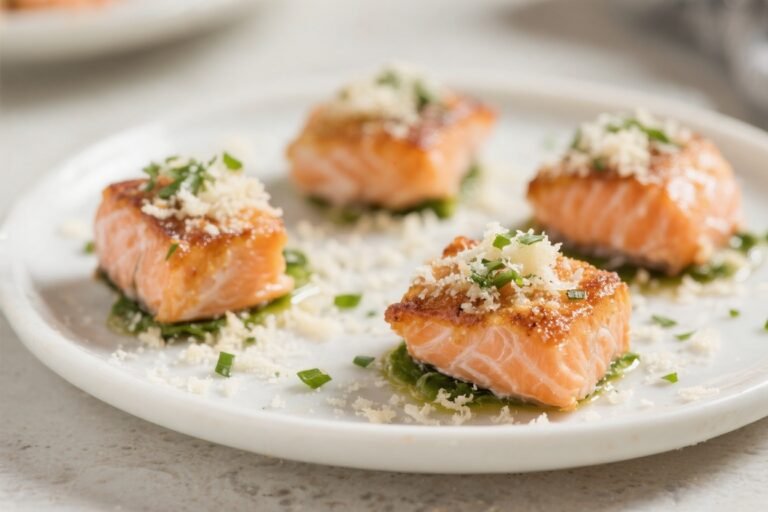
Maple Glazed Salmon – Sweet, Savory, and Weeknight Easy
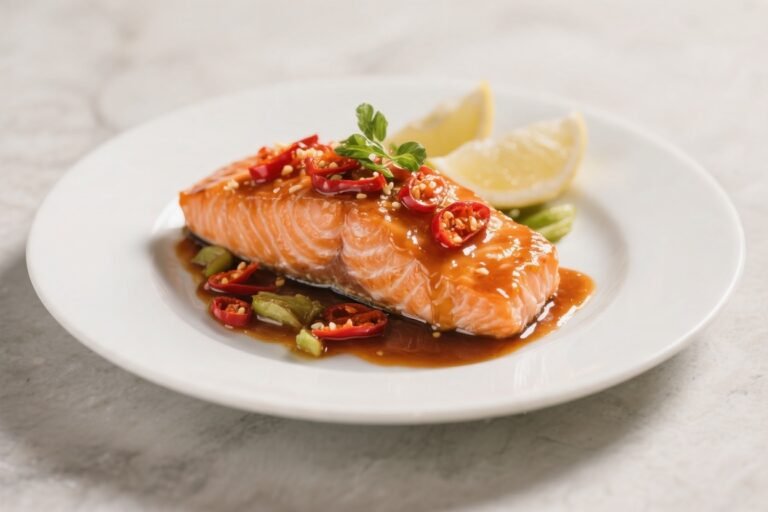
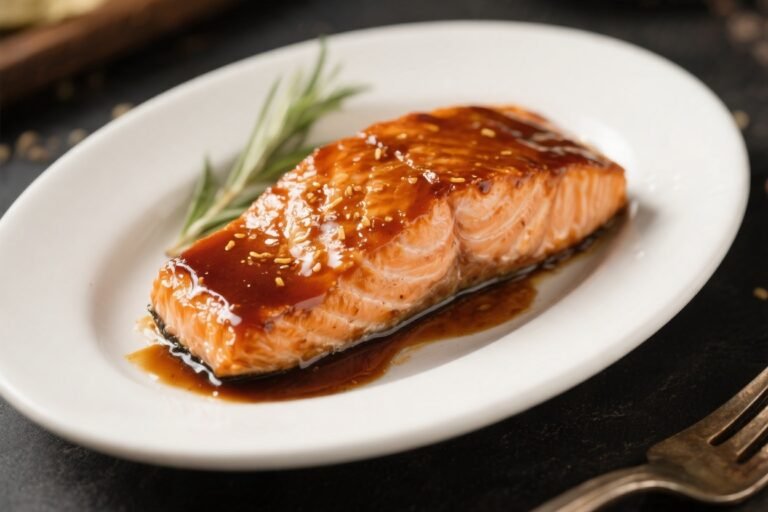
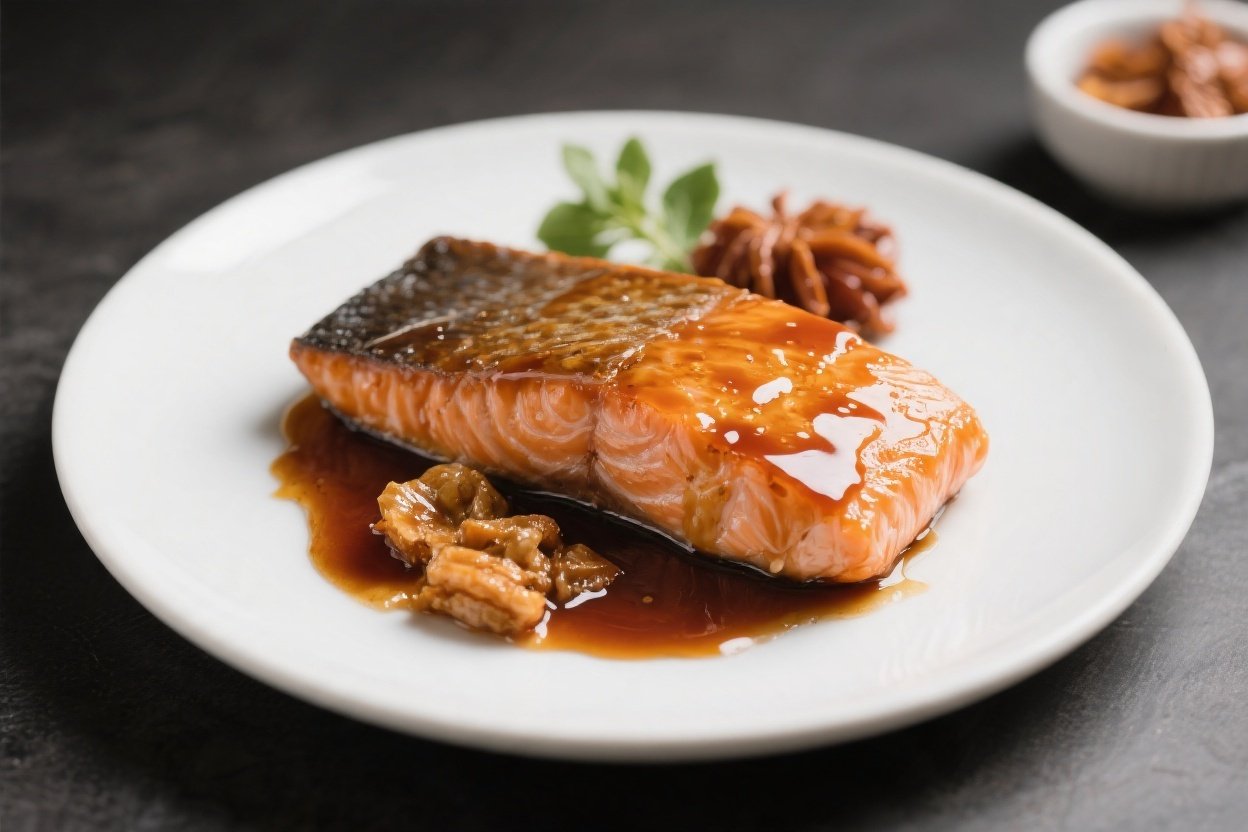
Maple glazed salmon hits that sweet spot between fancy and effortless. It looks like something you’d order at a restaurant, but it comes together fast in a home kitchen. The glaze is simple—maple syrup, soy, garlic, and a little acid—yet it brings big flavor without fuss.
Stop wondering what's for dinner.
Get 7 healthy, family-friendly dinners complete with recipes and simple meal plans delivered straight to your inbox.
Serve it with rice, roasted veggies, or a crisp salad, and you’ve got a balanced dinner. It’s also a great way to win over anyone who says they don’t love fish.
Ingredients
Method
- Make the glaze: In a small bowl, whisk 1/4 cup maple syrup, 2 tablespoons soy sauce, 1 teaspoon rice vinegar, 1 minced garlic clove (or more), and 1 teaspoon grated ginger. Add a few drops of sesame oil and a pinch of red pepper flakes if you like gentle heat.
- Prep the salmon: Pat the fillets dry with paper towels. This helps them sear and the glaze stick. Season lightly with salt and pepper. Go easy on the salt—soy sauce will add some.
- Choose your method: You can bake, broil, or pan-sear. Baking is the most forgiving. Broiling gives a quick char. Pan-searing delivers a crisp skin. Pick what suits you tonight.
- For baking: Heat the oven to 400°F (205°C). Line a sheet pan with foil or parchment and lightly oil it. Place salmon skin-side down. Brush with half the glaze. Bake 8–12 minutes, depending on thickness, brushing once more midway. It’s done when it flakes easily and is just opaque in the center.
- For broiling: Position a rack 6 inches from the heat. Broil skin-side down on a foil-lined pan 6–8 minutes, brushing with glaze once or twice. Watch closely—broilers move fast. If the top colors too quickly, move it down a rack.
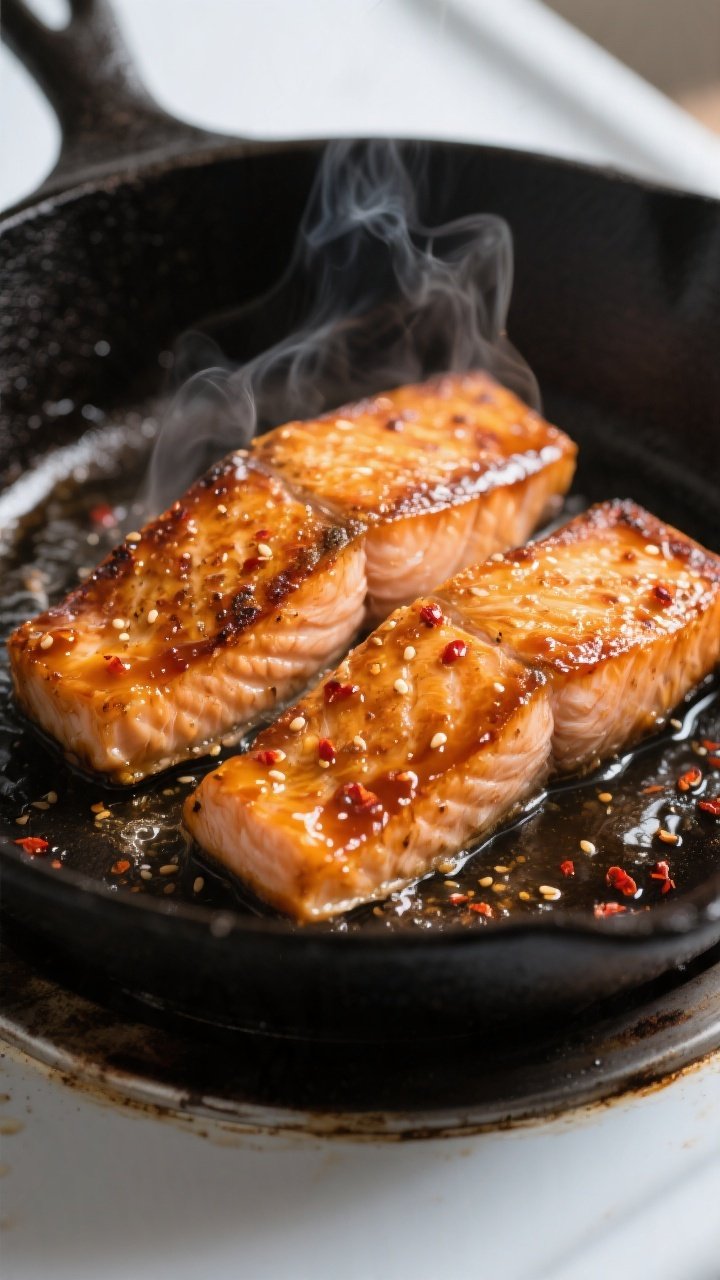
- For pan-searing: Heat a nonstick or well-seasoned skillet over medium-high with a thin film of oil. Place salmon skin-side down and cook 4–6 minutes until most of the flesh turns opaque from bottom to top. Flip, reduce heat to medium-low, pour in the glaze, and spoon it over until the fish is glossy and cooked through, 1–3 minutes more.
- Optional sauce boost: If you want extra sauce, warm a small splash of maple and soy (1:1) in a saucepan until slightly syrupy. Don’t boil hard or it can turn bitter.
- Finish and serve: Let the salmon rest 2 minutes. Sprinkle green onions and sesame seeds, and add lemon or lime wedges. Serve with rice, quinoa, or roasted vegetables.
What Makes This Special
This recipe leans on a short, dependable ingredient list that delivers consistent results. The maple’s natural sweetness balances the savory umami of soy and the warmth of garlic and ginger.
A splash of acid keeps it bright, and a bit of heat adds character without overwhelming the fish.
It’s also flexible. You can bake, broil, or pan-sear the salmon depending on your mood and time. The glaze doubles as a sauce, so there’s no extra pan to wash.
And because salmon cooks quickly, you can have dinner on the table in under 30 minutes.
Shopping List
- Salmon fillets (4 fillets, about 6 oz each; skin-on preferred)
- Pure maple syrup (not pancake syrup)
- Soy sauce (regular or low-sodium)
- Garlic (2–3 cloves, minced)
- Fresh ginger (about 1 tsp grated; optional but recommended)
- Rice vinegar or apple cider vinegar (or lemon juice)
- Sesame oil (a small drizzle for depth; optional)
- Red pepper flakes or a pinch of cayenne (optional)
- Neutral oil (avocado, canola, or olive oil for the pan)
- Salt and freshly ground black pepper
- Green onions and/or toasted sesame seeds for garnish (optional)
- Lemon or lime wedges for serving (optional)
How to Make It
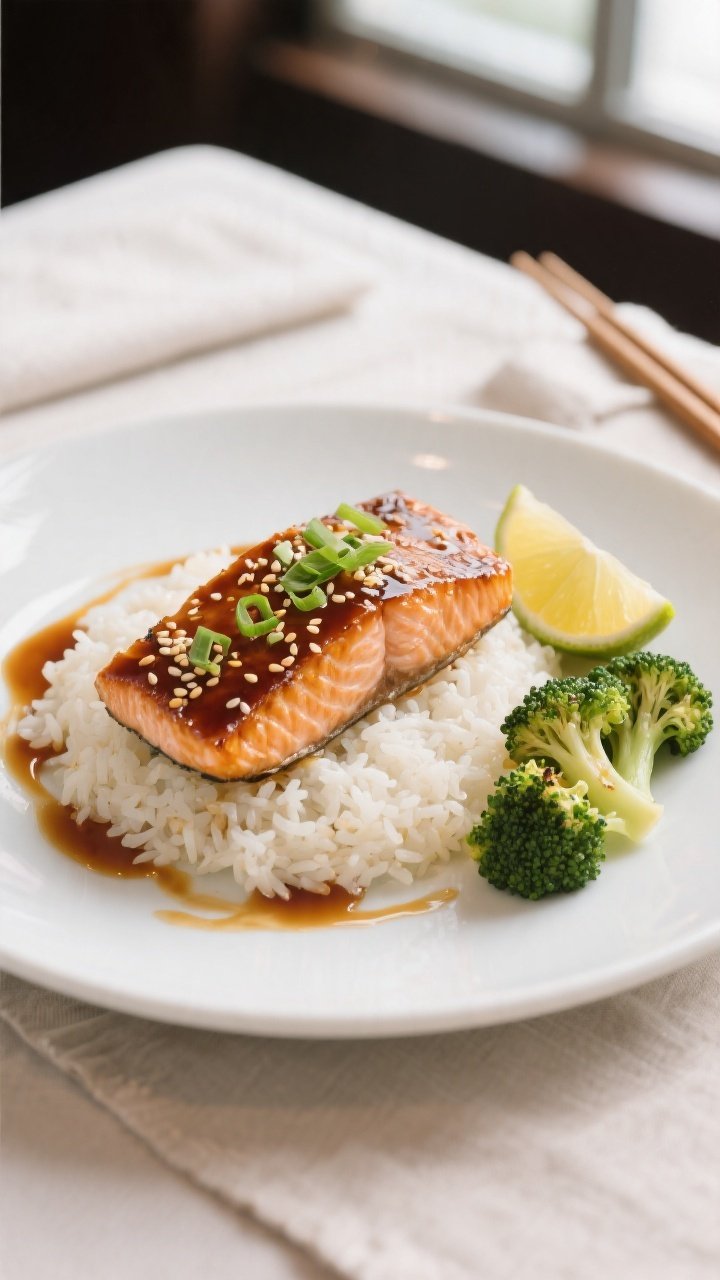
- Make the glaze: In a small bowl, whisk 1/4 cup maple syrup, 2 tablespoons soy sauce, 1 teaspoon rice vinegar, 1 minced garlic clove (or more), and 1 teaspoon grated ginger. Add a few drops of sesame oil and a pinch of red pepper flakes if you like gentle heat.
- Prep the salmon: Pat the fillets dry with paper towels. This helps them sear and the glaze stick.
Season lightly with salt and pepper. Go easy on the salt—soy sauce will add some.
- Choose your method: You can bake, broil, or pan-sear. Baking is the most forgiving.
Broiling gives a quick char. Pan-searing delivers a crisp skin. Pick what suits you tonight.
- For baking: Heat the oven to 400°F (205°C).
Line a sheet pan with foil or parchment and lightly oil it. Place salmon skin-side down. Brush with half the glaze.
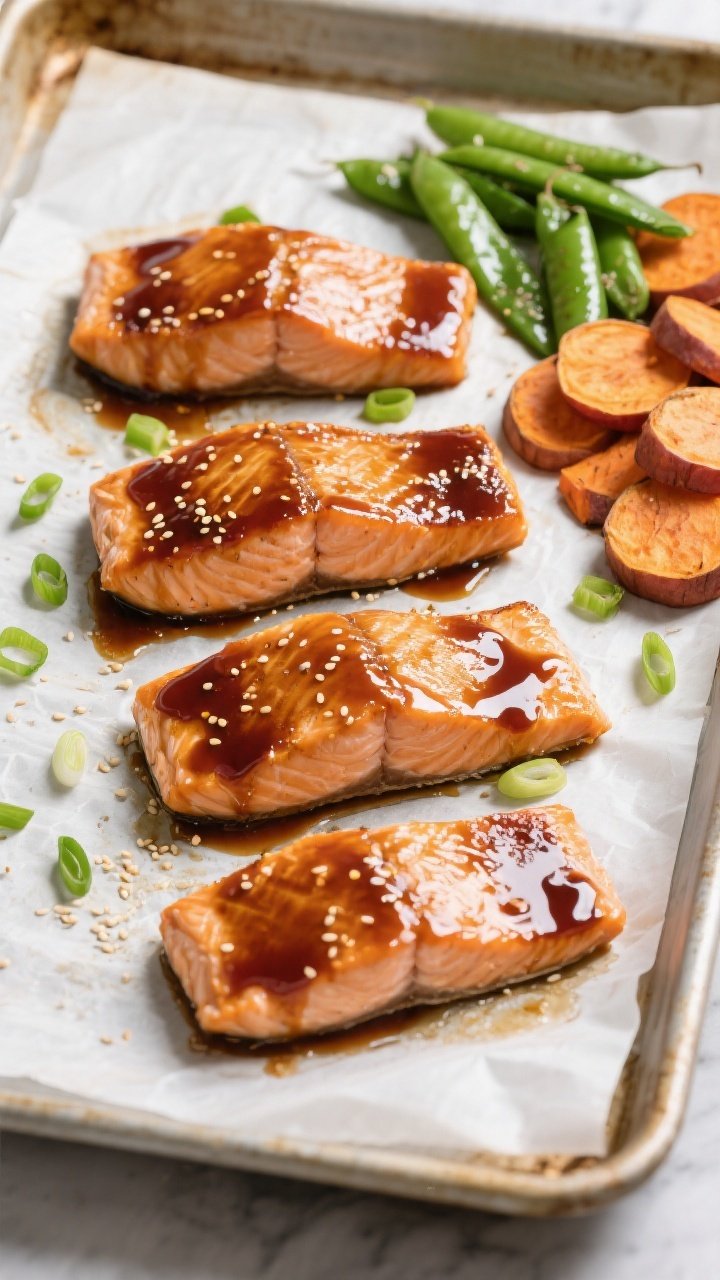
Bake 8–12 minutes, depending on thickness, brushing once more midway. It’s done when it flakes easily and is just opaque in the center.
- For broiling: Position a rack 6 inches from the heat. Broil skin-side down on a foil-lined pan 6–8 minutes, brushing with glaze once or twice.
Watch closely—broilers move fast. If the top colors too quickly, move it down a rack.
- For pan-searing: Heat a nonstick or well-seasoned skillet over medium-high with a thin film of oil. Place salmon skin-side down and cook 4–6 minutes until most of the flesh turns opaque from bottom to top.
Flip, reduce heat to medium-low, pour in the glaze, and spoon it over until the fish is glossy and cooked through, 1–3 minutes more.
- Optional sauce boost: If you want extra sauce, warm a small splash of maple and soy (1:1) in a saucepan until slightly syrupy. Don’t boil hard or it can turn bitter.
- Finish and serve: Let the salmon rest 2 minutes. Sprinkle green onions and sesame seeds, and add lemon or lime wedges.
Serve with rice, quinoa, or roasted vegetables.
Keeping It Fresh
Buy salmon that looks moist and vibrant, with no strong fishy smell. If it’s prepackaged, check the date and make sure there’s minimal liquid in the tray. Cook it within a day or two for the best texture.
Leftovers keep well for up to 2 days in an airtight container.
To reheat, warm gently in a low oven (275°F/135°C) or in a covered skillet with a splash of water to prevent drying. It’s also great cold, flaked over a salad or tucked into a rice bowl with pickled veggies.
Why This is Good for You
Salmon is rich in omega-3 fatty acids, which support heart and brain health. It’s also a strong source of protein and B vitamins.
The maple glaze adds sweetness without relying on refined sugar, and you control how much you use.
Pairing the salmon with fiber-rich sides—like brown rice, farro, or roasted broccoli—rounds out the meal. A squeeze of citrus brings vitamin C and brightens the flavors without adding extra calories.
Common Mistakes to Avoid
- Overcooking the salmon: Aim for moist, just-opaque flesh. Pull it at 125–130°F (52–54°C) if using a thermometer.
It will carryover-cook slightly as it rests.
- Using pancake syrup: It won’t taste the same. Use pure maple syrup for clean flavor and a better glaze.
- Skipping the dry pat: Wet fish won’t sear well and the glaze will slide off. Patting dry takes seconds and makes a big difference.
- Too much heat with the glaze: Sugars burn quickly.
If pan-searing, add the glaze after flipping and lower the heat so it turns glossy, not scorched.
- Forgetting acid: A touch of vinegar or citrus keeps the glaze from tasting flat. Don’t skip it.
Save time, eat healthier, and take the stress out of dinner.
Get a full week of easy healthy dinners delivered straight to your inbox.
Alternatives
- No soy? Use tamari or coconut aminos. Both keep the sweet-salty balance while adjusting sodium levels.
- No maple? Try honey.
It’s thicker and a bit floral, so thin with a splash of water and keep an eye on heat to avoid burning.
- No ginger? Add a tiny pinch of ground ginger or skip it and lean on garlic and pepper flakes.
- Different fish: Arctic char and steelhead trout behave similarly to salmon. For leaner fish like cod, reduce cooking time and add glaze toward the end.
- Add-ons: A teaspoon of Dijon mustard in the glaze boosts tang and helps it cling. Orange zest or a dash of mirin can take it in a brighter, more aromatic direction.
- Side swaps: Serve with garlic mashed potatoes, sesame-snap peas, roasted sweet potatoes, or a crunchy slaw with lime and cilantro.
FAQ
How do I know when the salmon is done?
Look for flesh that flakes easily with a fork and is just opaque in the center.
If using a thermometer, 125–130°F (52–54°C) in the thickest part is a juicy medium. It will continue to cook slightly off the heat.
Can I cook this from frozen?
Yes, but the texture is better with thawed salmon. If cooking from frozen, bake at 400°F (205°C) and plan on extra time—about 18–22 minutes depending on thickness.
Add the glaze midway so it doesn’t burn before the fish cooks through.
Should I remove the skin?
Keep it on for cooking. It helps hold the fillet together and protects the flesh from direct heat. You can slide it off easily after cooking if you prefer not to eat it.
What’s the best pan for searing?
A nonstick skillet or a well-seasoned cast iron pan works best.
Heat the pan first, add a thin layer of oil, then place the salmon skin-side down. Don’t move it until the skin releases naturally.
How can I make it spicier?
Add extra red pepper flakes, a small squeeze of sriracha, or a bit of gochujang to the glaze. Taste as you go so the heat doesn’t overpower the maple.
Can I meal prep this?
Absolutely.
Cook the salmon slightly under, then cool and store. Reheat gently or enjoy cold. Keep the glaze extra on the side for drizzling just before eating to keep flavors bright.
What wine pairs well?
A lightly oaked Chardonnay, a fruit-forward Pinot Noir, or a dry Riesling pairs nicely with the sweet-savory profile.
For a non-alcoholic option, try sparkling water with a squeeze of lime and a splash of apple juice.
In Conclusion
Maple glazed salmon is simple, fast, and packed with flavor. With a handful of pantry staples and a few minutes of cooking, you get a satisfying, balanced meal that feels special. Keep the glaze on the stove for a glossy finish, watch your heat, and don’t overcook.
Once you make it a couple of times, it becomes a weeknight habit you’ll actually look forward to.
Printable Recipe Card
Want just the essential recipe details without scrolling through the article? Get our printable recipe card with just the ingredients and instructions.
Loved This Recipe?
If you're looking for more simple, healthy dinners your family will actually eat, grab my FREE 7-Day Easy Dinner Reset. You'll get 7 easy dinner recipes, simple grocery lists, and a done-for-you plan that takes the stress out of mealtime.