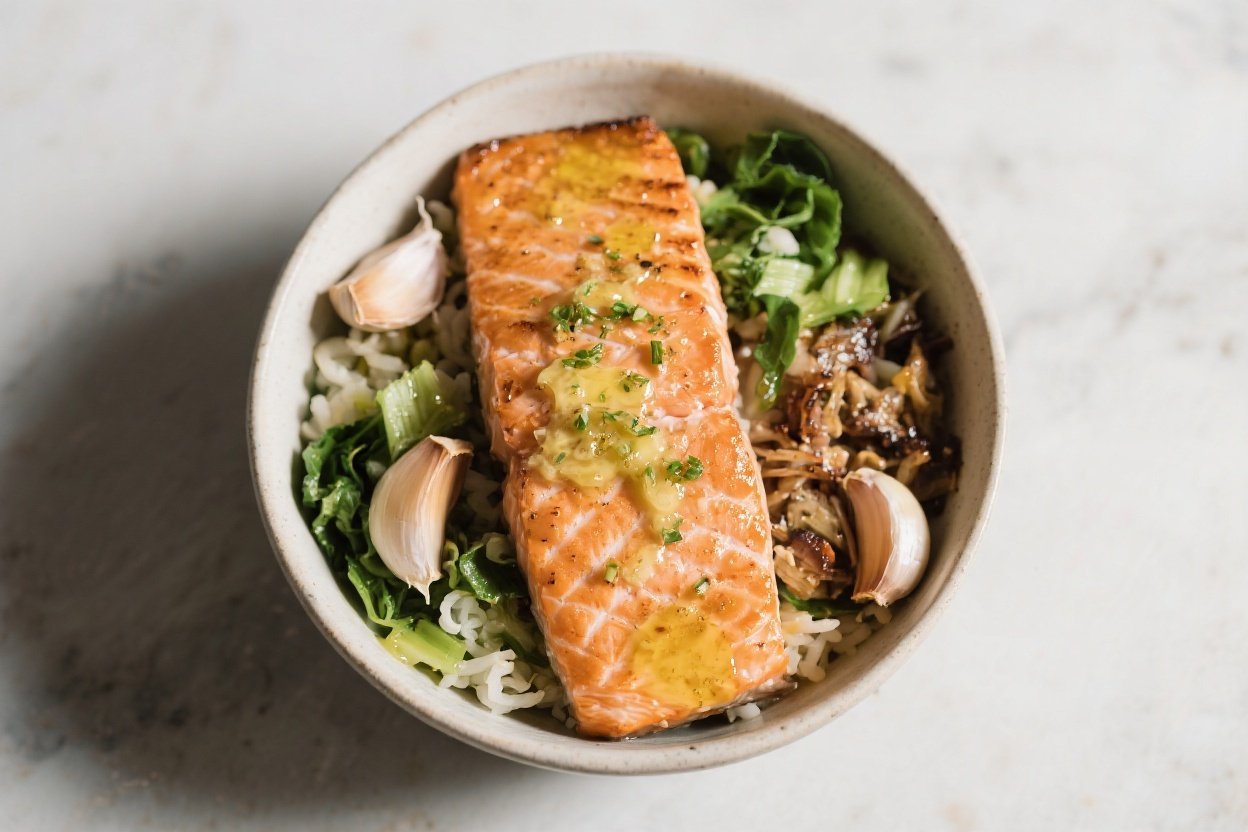
Garlic Butter Salmon Bowls – Simple, Comforting, and Full of Flavor
These bowls are the kind of weeknight dinner that feels special without being complicated. Rich, flaky salmon meets warm rice, crisp veggies, and a garlicky butter sauce that ties everything together. It’s fast, satisfying, and easy to customize with what you have on hand.
Stop wondering what's for dinner.
Get 7 healthy, family-friendly dinners complete with recipes and simple meal plans delivered straight to your inbox.
Whether you’re cooking for one or feeding a crowd, this recipe is flexible, fresh, and hard to mess up. If you like meals that hit savory, bright, and cozy all at once, you’ll be making this on repeat.
Ingredients
Method
- Cook the base: Make your rice, quinoa, or preferred grain according to package directions. Fluff and keep warm. If using cauliflower rice, sauté in a pan with a bit of oil and salt until tender.
- Prep the veggies: Steam or sauté your vegetables with a pinch of salt until just tender and bright. Set aside. Slice any fresh toppings like cucumber, avocado, or green onions.
- Season the salmon: Pat salmon dry with paper towels. Season both sides with salt and black pepper. For extra flavor, rub on a little lemon zest.
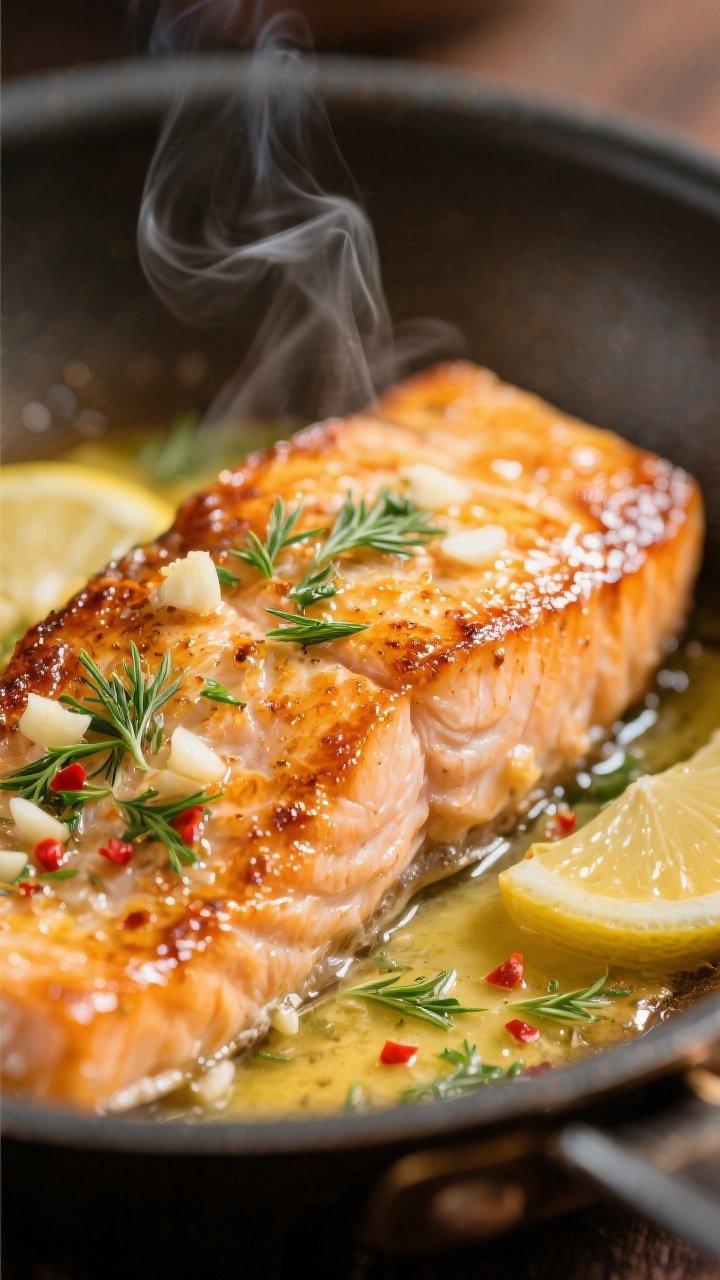
- Sear the salmon: Heat a large skillet over medium-high. Add olive oil and 1 tablespoon butter. Place salmon skin-side down and cook 4–5 minutes, pressing lightly to keep the skin flat. Flip and cook 2–3 minutes more, until just opaque and flakes easily. Transfer to a plate and tent loosely with foil.
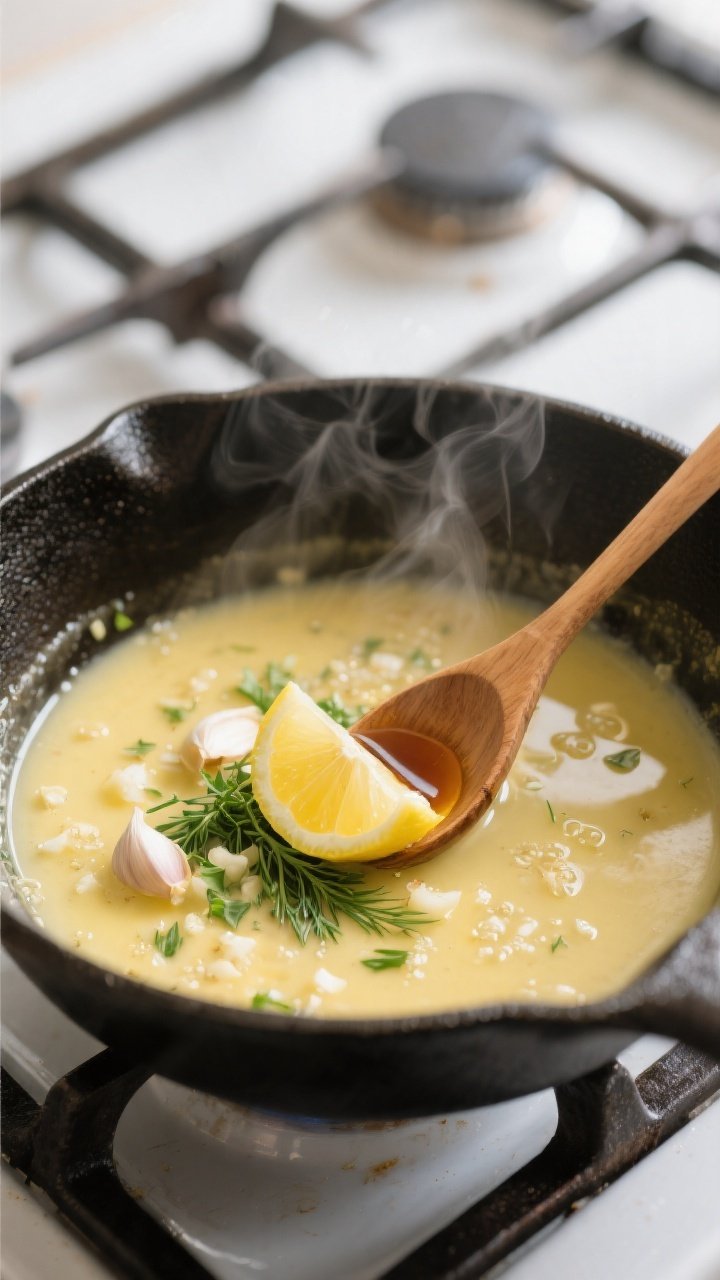
- Make the garlic butter: Reduce heat to medium-low. Add remaining 3 tablespoons butter to the skillet. Stir in minced garlic and cook 30–60 seconds until fragrant but not browned.
- Brighten the sauce: Add lemon juice and a small splash of broth or water to loosen. Season with salt, black pepper, and red pepper flakes. If using soy sauce or tamari, add 1–2 teaspoons for depth. Stir in chopped parsley or dill.
- Glaze the salmon: Return salmon to the skillet and spoon garlic butter over the fillets for 30–60 seconds to coat. Remove from heat.
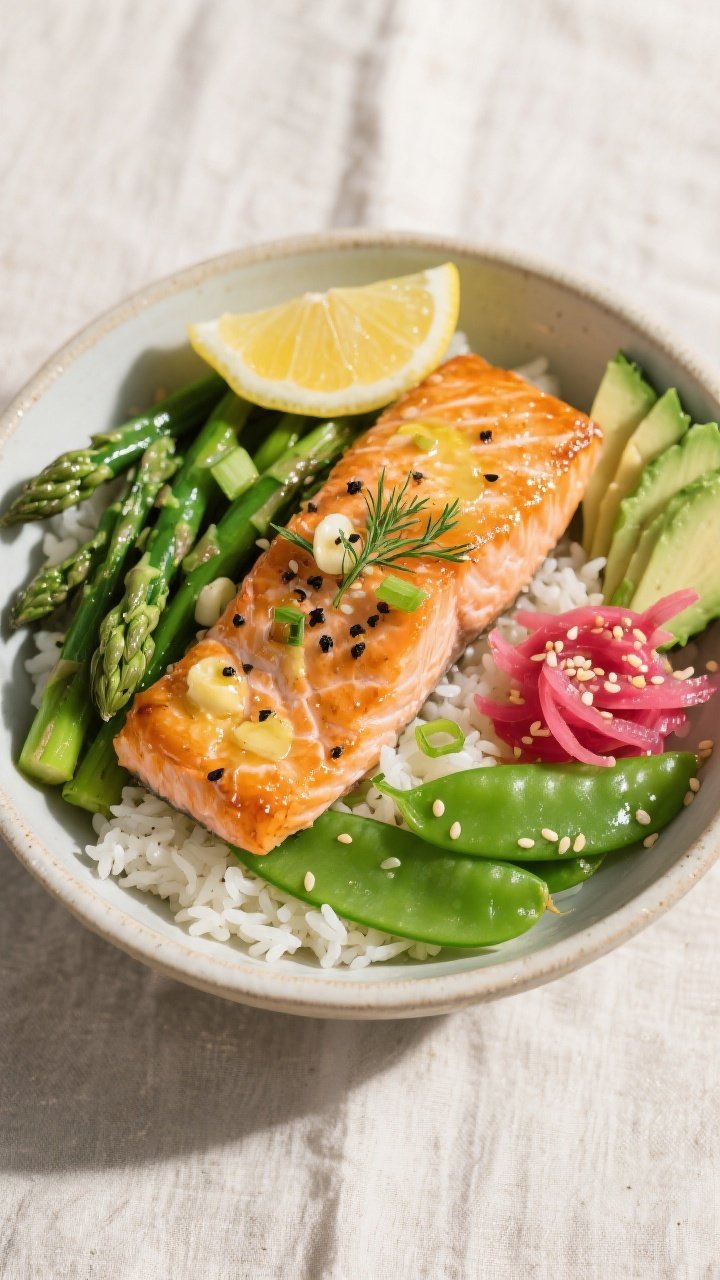
- Assemble the bowls: Add a scoop of rice or grain to each bowl. Top with vegetables, a salmon fillet, and fresh toppings. Spoon extra garlic butter from the pan over everything.
- Finish and serve: Sprinkle with sesame seeds or chopped nuts if you like. Taste and add a final squeeze of lemon or pinch of salt. Serve warm.
What Makes This Recipe So Good
- Balanced flavors: The buttery richness of the salmon is lifted by lemon, herbs, and a touch of heat for a well-rounded bite.
- Quick and weeknight-friendly: You can have everything on the table in 30–35 minutes, start to finish.
- Customizable: Swap the base, veggies, or toppings to match your taste or what’s in your fridge.
- Meal prep friendly: Cook extra and assemble bowls for easy lunches all week.
- Nutrient-dense: High-quality protein, healthy fats, and colorful veggies keep this meal hearty and wholesome.
What You’ll Need
- Salmon: 1.5–2 pounds skin-on salmon fillets, cut into 4 portions
- Butter: 4 tablespoons, divided
- Olive oil: 1–2 tablespoons for searing
- Garlic: 4–5 cloves, finely minced
- Lemon: Zest and juice of 1 lemon
- Broth or water: Splash (2–3 tablespoons) to loosen the sauce if needed
- Fresh herbs: Chopped parsley or dill (2–3 tablespoons)
- Red pepper flakes: Pinch, optional
- Salt and black pepper: To season salmon and sauce
- Base: 3–4 cups cooked rice (white, brown, or jasmine), quinoa, or cauliflower rice
- Veggies: 2 cups steamed or sautéed vegetables (broccoli, green beans, asparagus, or snap peas)
- Fresh toppings: Sliced cucumber, avocado, green onions, or pickled red onions
- Crunch: Toasted sesame seeds or chopped nuts (optional)
- Soy sauce or tamari: 1–2 teaspoons for depth (optional)
Step-by-Step Instructions
- Cook the base: Make your rice, quinoa, or preferred grain according to package directions. Fluff and keep warm.
If using cauliflower rice, sauté in a pan with a bit of oil and salt until tender.
- Prep the veggies: Steam or sauté your vegetables with a pinch of salt until just tender and bright. Set aside. Slice any fresh toppings like cucumber, avocado, or green onions.
- Season the salmon: Pat salmon dry with paper towels.
Season both sides with salt and black pepper. For extra flavor, rub on a little lemon zest.
- Sear the salmon: Heat a large skillet over medium-high. Add olive oil and 1 tablespoon butter.
Place salmon skin-side down and cook 4–5 minutes, pressing lightly to keep the skin flat. Flip and cook 2–3 minutes more, until just opaque and flakes easily. Transfer to a plate and tent loosely with foil.
- Make the garlic butter: Reduce heat to medium-low.
Add remaining 3 tablespoons butter to the skillet. Stir in minced garlic and cook 30–60 seconds until fragrant but not browned.
- Brighten the sauce: Add lemon juice and a small splash of broth or water to loosen. Season with salt, black pepper, and red pepper flakes.
If using soy sauce or tamari, add 1–2 teaspoons for depth. Stir in chopped parsley or dill.
- Glaze the salmon: Return salmon to the skillet and spoon garlic butter over the fillets for 30–60 seconds to coat. Remove from heat.
- Assemble the bowls: Add a scoop of rice or grain to each bowl.
Top with vegetables, a salmon fillet, and fresh toppings. Spoon extra garlic butter from the pan over everything.
- Finish and serve: Sprinkle with sesame seeds or chopped nuts if you like. Taste and add a final squeeze of lemon or pinch of salt.
Serve warm.
Storage Instructions
- Fridge: Store components separately in airtight containers for up to 3 days. Keep the garlic butter sauce in a small jar for easy reheating.
- Reheating: Warm salmon gently in a skillet over low heat or in the microwave at 50% power to avoid drying it out. Reheat rice with a splash of water and cover until steamy.
- Freezer: Cooked salmon can be frozen for up to 2 months, but texture is best fresh.
Freeze without fresh toppings. Thaw overnight in the fridge.
- Meal prep: Assemble bowls without avocado or cucumber. Add fresh toppings after reheating to keep them crisp.
Health Benefits
- Omega-3 fats: Salmon is rich in EPA and DHA, which support heart, brain, and joint health.
- High-quality protein: Helps maintain muscle mass and keeps you full longer.
- Vitamins and minerals: Provides vitamin D, B vitamins, selenium, and potassium.
- Veggie power: Fiber, antioxidants, and micronutrients from greens and colorful vegetables support digestion and overall wellness.
- Balanced plate: Combining protein, healthy fats, and complex carbs offers steady energy and satisfaction.
Pitfalls to Watch Out For
- Overcooking salmon: Dry salmon is the fastest way to dull the dish.
Pull it when it flakes and looks slightly translucent in the center.
- Burning the garlic: Garlic goes from golden to bitter quickly. Lower the heat and cook it just until fragrant.
- Skipping seasoning: Salt in layers—on the salmon, veggies, and sauce—for a more complete flavor.
- Soggy base: If rice is too wet, spread it on a sheet pan to steam off excess moisture before serving.
- Forgetting acidity: A squeeze of lemon at the end brightens the butter and balances richness.
Variations You Can Try
- Herb swap: Use dill and chives for a fresh, delicate vibe, or cilantro and lime for a brighter profile.
- Spicy honey twist: Add 1–2 teaspoons honey and a pinch of cayenne to the garlic butter for sweet heat.
- Miso garlic butter: Whisk 1 tablespoon white miso into the sauce for umami depth. Reduce added salt.
- Grain-free: Serve over cauliflower rice or a bed of shredded cabbage and carrots for extra crunch.
- Roasted sheet-pan version: Roast salmon and veggies together at 425°F (220°C) for 10–14 minutes, then drizzle with warm garlic butter.
- Mediterranean bowl: Use brown rice or farro, add cherry tomatoes, olives, cucumber, and a dollop of tzatziki.
Finish with dill-lemon butter.
- Teriyaki mash-up: Add a teaspoon of soy sauce and a drizzle of maple to the butter; top bowls with pickled ginger and sesame.
FAQ
Can I use frozen salmon?
Yes. Thaw it overnight in the fridge, then pat very dry before cooking to get a good sear. If you’re short on time, place sealed fillets in cold water for 20–30 minutes, then dry well.
What’s the best pan for searing?
A heavy stainless steel or cast-iron skillet works best for crispy skin and even browning.
Save time, eat healthier, and take the stress out of dinner.
Get a full week of easy healthy dinners delivered straight to your inbox.
Let the pan preheat and don’t move the fish for the first few minutes.
How do I know when salmon is done?
It should flake easily with a fork and look just opaque in the center. Internal temperature should read about 125–130°F (52–54°C) for medium, accounting for a little carryover cooking.
Can I make this dairy-free?
Use a good vegan butter or olive oil. Add extra lemon and herbs for brightness.
The flavor will be lighter but still delicious.
What vegetables pair best?
Broccoli, asparagus, green beans, snap peas, and zucchini are all great. For crunch and contrast, add fresh cucumber, radish, or shredded cabbage.
Is skin-on salmon necessary?
No, but skin-on helps protect the flesh and crisp up nicely. If using skinless, sear gently and reduce cooking time slightly.
Can I grill the salmon?
Absolutely.
Oil the grates well and grill over medium heat, 3–4 minutes per side depending on thickness. Warm the garlic butter separately and spoon over before serving.
What if I don’t have fresh herbs?
Use 1 teaspoon dried dill or parsley in the sauce, added with the garlic so it can bloom. Fresh lemon zest will help keep flavors bright.
How do I keep leftovers from drying out?
Reheat low and slow with a splash of water or broth.
Cover to trap steam. Add a bit of fresh lemon and a pat of butter after warming.
Can I make it spicy?
Yes. Add red pepper flakes to the sauce, or finish the bowls with chili crisp or sriracha for heat and texture.
Wrapping Up
Garlic Butter Salmon Bowls bring together simple ingredients in a way that feels both comforting and fresh.
With a quick skillet sear and a bright, garlicky sauce, you get big flavor with very little fuss. Keep the base and toppings flexible, cook the salmon just until tender, and let lemon and herbs do the heavy lifting. It’s a reliable, weeknight-friendly recipe you’ll reach for again and again.
Enjoy it as written, or make it your own with the variations above.
Printable Recipe Card
Want just the essential recipe details without scrolling through the article? Get our printable recipe card with just the ingredients and instructions.
Loved This Recipe?
If you're looking for more simple, healthy dinners your family will actually eat, grab my FREE 7-Day Easy Dinner Reset. You'll get 7 easy dinner recipes, simple grocery lists, and a done-for-you plan that takes the stress out of mealtime.