Healthy Garlic Chicken Stir Fry – Fast, Fresh, and Flavor-Packed
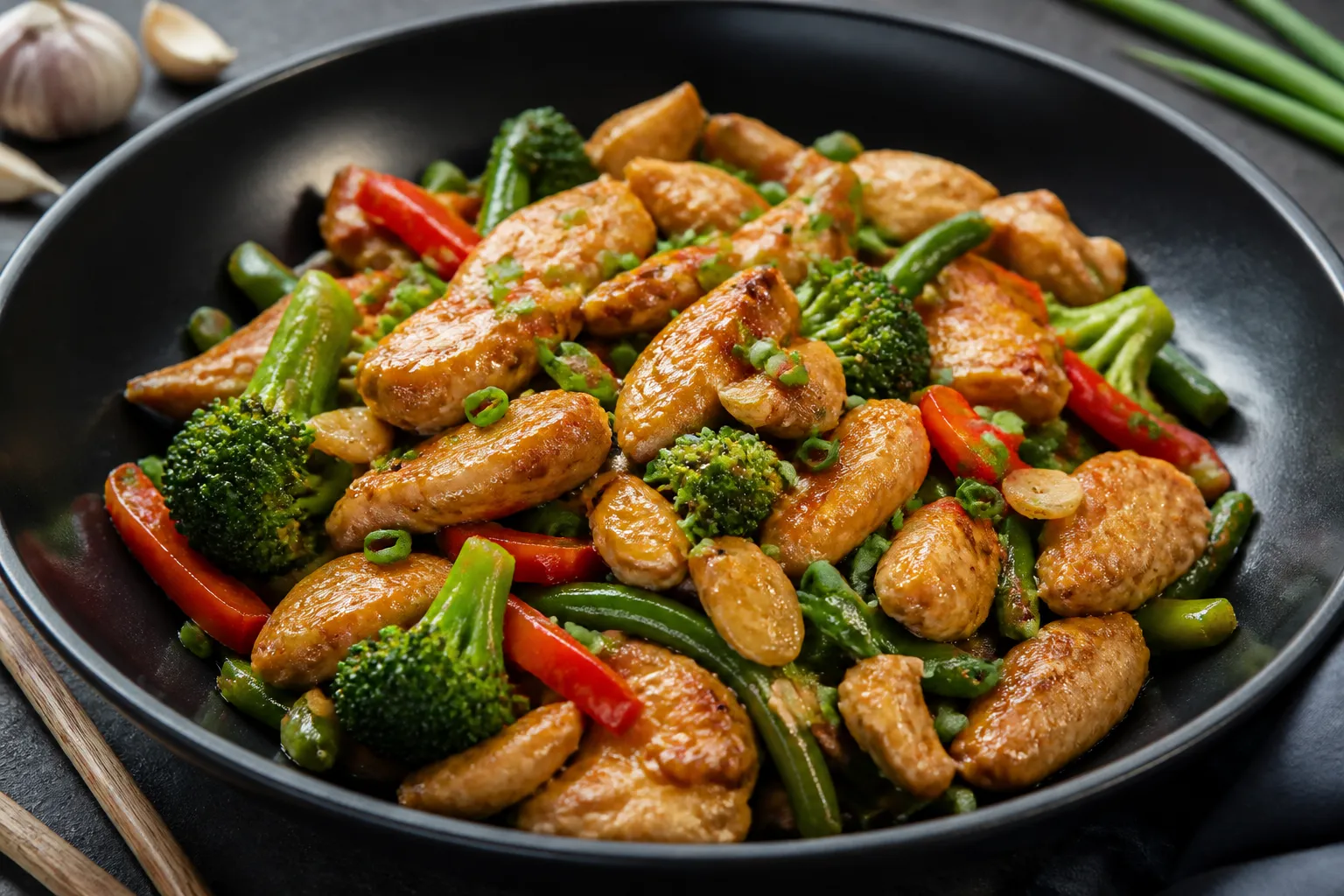
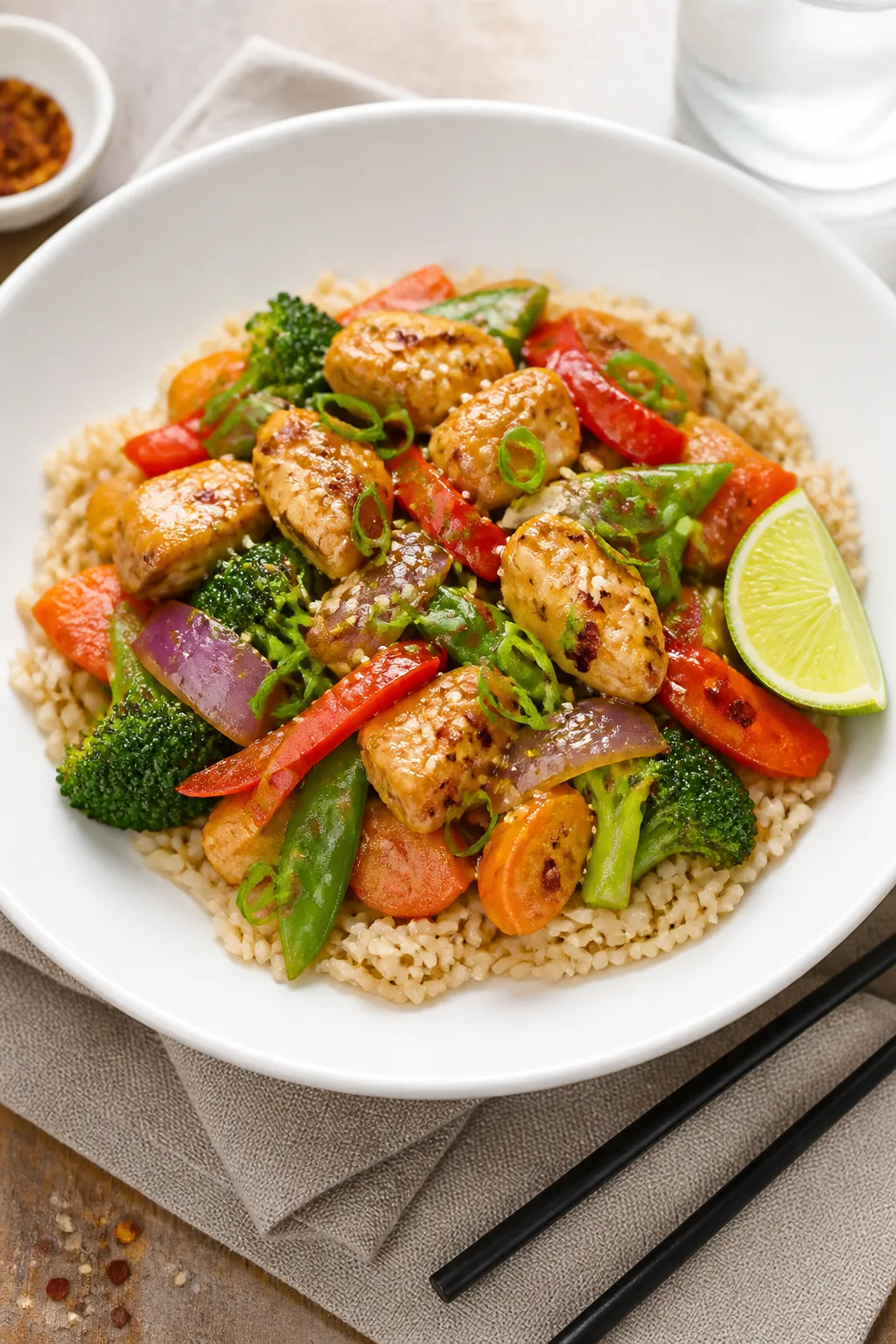
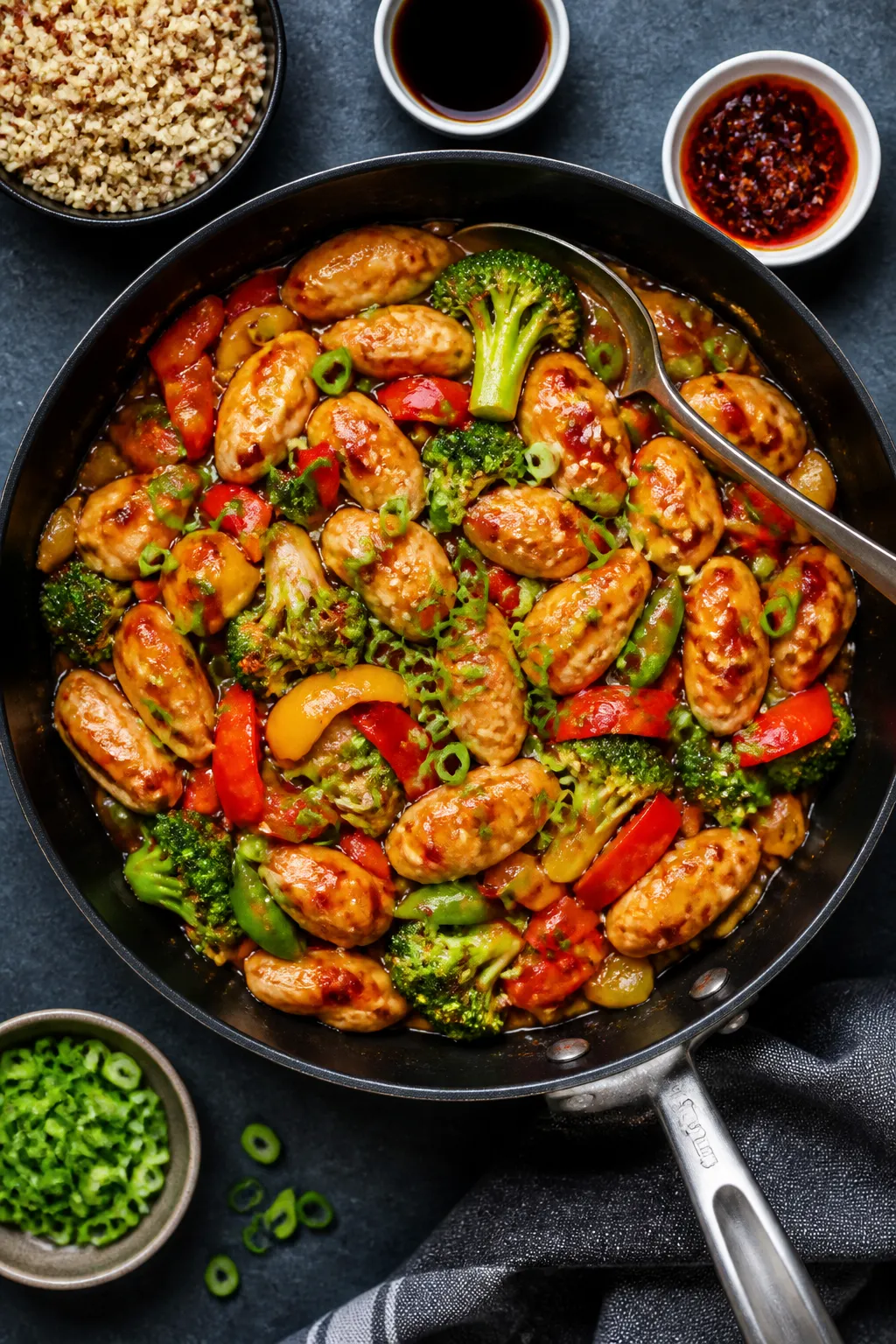
This Healthy Garlic Chicken Stir Fry is the kind of weeknight dinner that makes you feel like you’ve got it all together. It’s quick to make, big on flavor, and loaded with colorful veggies. The garlic-forward sauce brings everything to life without being heavy or greasy.
Stop wondering what's for dinner.
Get 7 healthy, family-friendly dinners complete with recipes and simple meal plans delivered straight to your inbox.
You’ll love how flexible it is, too—use what you have, keep it simple, and still get a satisfying, wholesome meal. If you’re looking for a reliable go-to that tastes like takeout but feels better, this is it.
Ingredients
Method
- Prep everything first. Slice the chicken thinly against the grain. Cut all vegetables into bite-size pieces. Mince garlic and grate ginger. Stir-fries move fast, so have it all ready.
- Make the sauce. In a small bowl, whisk soy sauce, rice vinegar, honey, oyster sauce (if using), sesame oil, red pepper flakes or sriracha, broth, and cornstarch until smooth. Set aside.
- Heat the pan. Place a large skillet or wok over medium-high heat. Add 1 tablespoon oil and swirl to coat.
- Sear the chicken. Add the chicken in a single layer. Season lightly with salt and pepper. Cook 3–4 minutes, stirring occasionally, until just cooked through with some caramelized edges. Transfer to a plate.
- Cook the sturdy veggies. If the pan looks dry, add a little more oil. Add broccoli and carrots. Stir-fry 2–3 minutes until they start to soften but remain bright.
- Add quick-cooking veggies. Add bell pepper, onion, and snap peas. Stir-fry 2–3 minutes more. You want crisp-tender, not mushy.
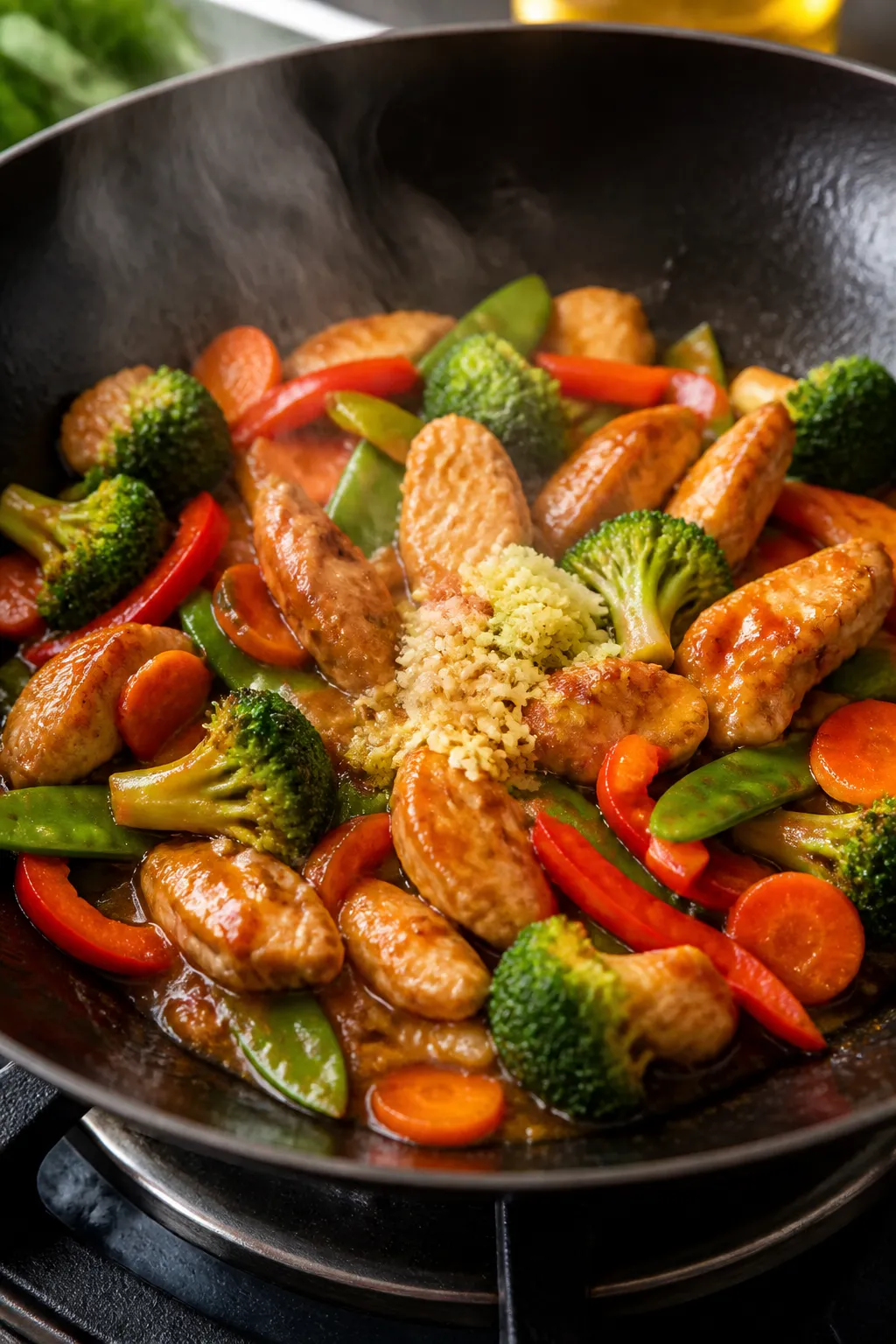
- Add aromatics. Push veggies to the sides. Add garlic and ginger to the center with a small splash of oil if needed. Stir 30 seconds until fragrant, then toss with the vegetables.
- Combine and sauce. Return chicken to the pan. Give the sauce a quick stir (cornstarch settles), then pour it in. Toss everything for 1–2 minutes until the sauce thickens and coats the stir fry.
- Taste and adjust. Add a splash more soy for salt, vinegar for brightness, or chili for heat. Remove from heat.
- Serve. Spoon over rice, quinoa, or cauliflower rice. Top with green onions and sesame seeds.
What Makes This Recipe So Good
- Fast and easy: Everything cooks in one pan, and it’s ready in about 25 minutes.
- Balanced meal: Lean protein, fiber-rich veggies, and a light sauce make a complete, nourishing plate.
- Big garlic flavor: Fresh garlic shines without overpowering, thanks to a simple, clean sauce.
- Flexible: Swap in almost any veggie, use gluten-free tamari if needed, and adjust spice to taste.
- Budget-friendly: Pantry staples and everyday produce keep costs low while delivering restaurant-worthy flavor.
What You’ll Need
- Chicken: 1 to 1.25 pounds boneless, skinless chicken breast or thighs, thinly sliced
- Vegetables: 1 red bell pepper (sliced), 2 cups broccoli florets, 1 medium carrot (thinly sliced), 1 small onion (sliced), 1 cup sugar snap peas or green beans
- Garlic: 4–6 cloves, finely minced (adjust to taste)
- Ginger: 1 tablespoon fresh, grated (optional but recommended)
- Neutral oil: 1–2 tablespoons avocado, canola, or grapeseed oil
- Green onions: 2, sliced (for garnish)
- Sesame seeds: 1 teaspoon, for garnish (optional)
For the sauce:
- 1/4 cup low-sodium soy sauce (or tamari/coconut aminos)
- 2 tablespoons rice vinegar (or apple cider vinegar)
- 1 tablespoon honey or maple syrup
- 1 tablespoon oyster sauce (optional for depth; use more soy if skipping)
- 1–2 teaspoons toasted sesame oil
- 1/4–1/2 teaspoon red pepper flakes or a dash of sriracha (optional heat)
- 1/3 cup low-sodium chicken broth or water
- 2 teaspoons cornstarch (or arrowroot) to thicken
To serve: Cooked brown rice, quinoa, or cauliflower rice.
Instructions
- Prep everything first. Slice the chicken thinly against the grain. Cut all vegetables into bite-size pieces.
Mince garlic and grate ginger. Stir-fries move fast, so have it all ready.
- Make the sauce. In a small bowl, whisk soy sauce, rice vinegar, honey, oyster sauce (if using), sesame oil, red pepper flakes or sriracha, broth, and cornstarch until smooth. Set aside.
- Heat the pan. Place a large skillet or wok over medium-high heat.
Add 1 tablespoon oil and swirl to coat.
- Sear the chicken. Add the chicken in a single layer. Season lightly with salt and pepper. Cook 3–4 minutes, stirring occasionally, until just cooked through with some caramelized edges.
Transfer to a plate.
- Cook the sturdy veggies. If the pan looks dry, add a little more oil. Add broccoli and carrots. Stir-fry 2–3 minutes until they start to soften but remain bright.
- Add quick-cooking veggies. Add bell pepper, onion, and snap peas.
Stir-fry 2–3 minutes more. You want crisp-tender, not mushy.
- Add aromatics. Push veggies to the sides. Add garlic and ginger to the center with a small splash of oil if needed.
Stir 30 seconds until fragrant, then toss with the vegetables.
- Combine and sauce. Return chicken to the pan. Give the sauce a quick stir (cornstarch settles), then pour it in. Toss everything for 1–2 minutes until the sauce thickens and coats the stir fry.
- Taste and adjust. Add a splash more soy for salt, vinegar for brightness, or chili for heat.
Remove from heat.
- Serve. Spoon over rice, quinoa, or cauliflower rice. Top with green onions and sesame seeds.
How to Store
- Refrigerate: Cool completely, then store in an airtight container for up to 4 days.
- Freeze: For best texture, freeze without the rice. Place in freezer-safe containers for up to 2 months.
Thaw overnight in the fridge.
- Reheat: Warm in a skillet over medium heat with a splash of water or broth until hot, 3–5 minutes. Microwave in short bursts, stirring between intervals, to avoid overcooking the chicken.
Health Benefits
- Lean protein: Chicken breast or trimmed thighs provide high-quality protein that supports muscle repair and keeps you full longer.
- Veggie variety: Broccoli, peppers, carrots, and snap peas bring fiber, vitamins A, C, and K, plus antioxidants that support immune and heart health.
- Garlic and ginger: Both are known for anti-inflammatory and antioxidant properties and add bold flavor without extra calories.
- Lighter sauce: Using low-sodium soy sauce and a small amount of healthy oil keeps sodium and fat in check while delivering big taste.
- Balanced plate: Pair with brown rice or quinoa for complex carbs and steady energy, or use cauliflower rice to keep carbs low.
Pitfalls to Watch Out For
- Overcrowding the pan: Too much at once leads to steaming instead of searing. Cook in batches if needed.
- Overcooking veggies: Stir-fries should be crisp-tender.
Pull them off the heat as soon as they brighten and soften slightly.
- Burning the garlic: Add garlic near the end and keep it moving. Burnt garlic tastes bitter.
- Skipping the sauce stir: Cornstarch sinks. Give the sauce a quick whisk before pouring it in to avoid lumps.
- Too much salt: Start with low-sodium soy.
Taste at the end and season gradually.
Recipe Variations
Save time, eat healthier, and take the stress out of dinner.
Get a full week of easy healthy dinners delivered straight to your inbox.
- Low-carb: Serve over cauliflower rice and reduce honey to 1–2 teaspoons. Add extra non-starchy veggies like zucchini or mushrooms.
- Gluten-free: Use tamari or coconut aminos and a gluten-free oyster sauce (or skip it and add a splash more tamari).
- Spicy garlic: Add 1–2 teaspoons chili-garlic paste or extra red pepper flakes. Finish with a drizzle of chili crisp.
- Citrus twist: Stir in 1–2 teaspoons fresh lime or orange juice at the end for a bright, fresh finish.
- Peanut or almond crunch: Toss in 2 tablespoons roasted nuts right before serving for texture and healthy fats.
- Vegetarian: Swap chicken for extra-firm tofu or tempeh.
Press tofu to remove moisture, then sear until golden before adding veggies.
- Extra green: Add baby spinach or chopped bok choy in the last minute of cooking to wilt gently.
FAQ
Can I use frozen vegetables?
Yes. Keep the heat high and cook in small batches so they don’t release too much water. Pat them dry if icy, and expect a slightly softer texture than fresh.
What’s the best pan for stir-fry at home?
A large wok is great, but a wide, heavy skillet works well on most stovetops.
The key is high heat and enough surface area to avoid crowding.
Breast or thighs—what should I choose?
Both work. Breasts are lean and cook quickly; thighs are juicier and more forgiving. Slice thinly either way for fast, even cooking.
How do I keep the chicken tender?
Slice against the grain, don’t overcook, and sear over high heat. You can also “velvet” the chicken by tossing it with 1 teaspoon cornstarch and 1 teaspoon soy sauce for 10 minutes before cooking.
Can I make the sauce ahead of time?
Absolutely.
Mix it up to 3 days in advance and refrigerate. Give it a quick stir before using since the cornstarch settles.
What can I use instead of cornstarch?
Arrowroot works well. Use the same amount, and add it at the end with the sauce.
Avoid boiling it for too long to prevent a gummy texture.
How do I add more protein without extra meat?
Toss in edamame or chickpeas at the end, or top with a soft-boiled egg. Nuts and seeds also add a small protein boost.
In Conclusion
Healthy Garlic Chicken Stir Fry checks all the boxes: quick, nourishing, and full of flavor. With a handful of everyday ingredients and a simple sauce, you can get dinner on the table fast without sacrificing freshness.
Make it your own with the veggies you love, keep the garlic front and center, and enjoy a colorful, satisfying meal any night of the week.
Printable Recipe Card
Want just the essential recipe details without scrolling through the article? Get our printable recipe card with just the ingredients and instructions.
Loved This Recipe?
If you're looking for more simple, healthy dinners your family will actually eat, grab my FREE 7-Day Easy Dinner Reset. You'll get 7 easy dinner recipes, simple grocery lists, and a done-for-you plan that takes the stress out of mealtime.