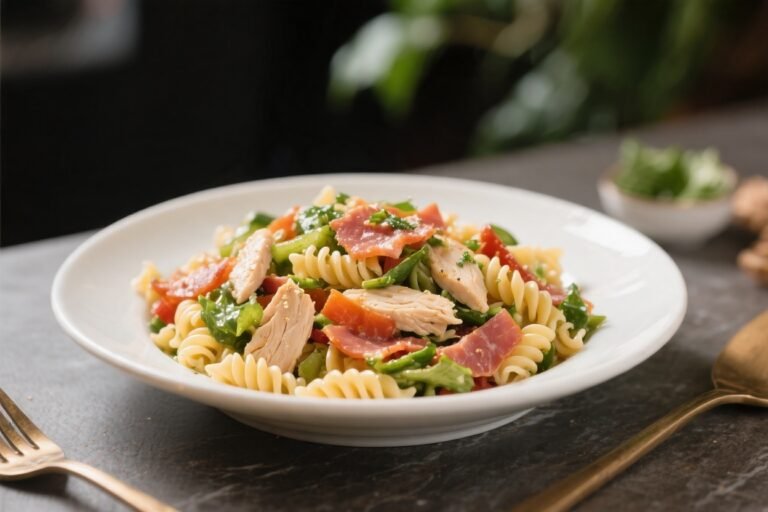
High Protein Pasta Primavera – A Bright, Satisfying Weeknight Dinner
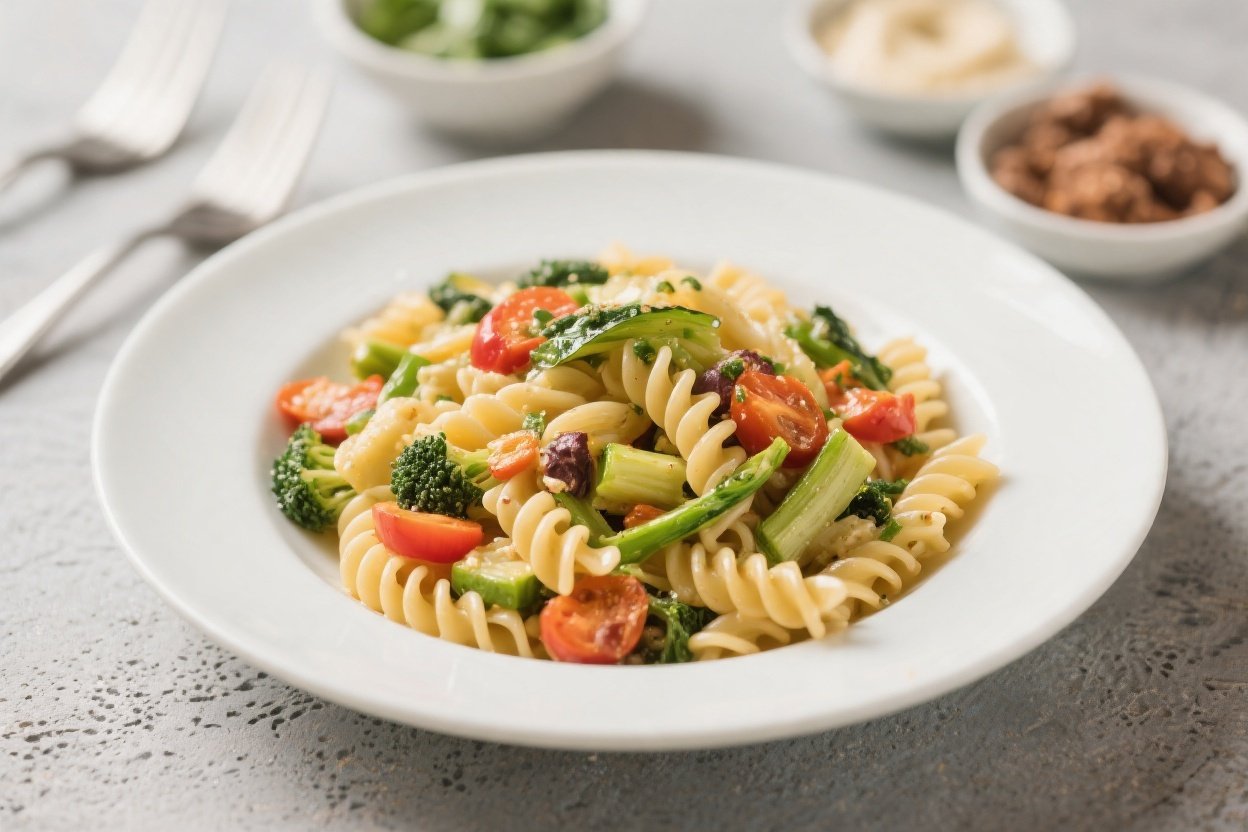
Pasta primavera is comfort food with a fresh twist, and this version brings serious staying power. It keeps all the colorful veggies you love, then layers in protein to make it a complete, satisfying meal. Think tender pasta tossed with crisp-tender vegetables, a creamy yet light sauce, and bites of chicken or chickpeas for extra heft.
Stop wondering what's for dinner.
Get 7 healthy, family-friendly dinners complete with recipes and simple meal plans delivered straight to your inbox.
It’s weeknight-friendly, adaptable to what’s in your fridge, and tastes great the next day. If you want a balanced plate in one bowl, this is it.
Ingredients
Method
- Boil the pasta. Bring a large pot of salted water to a boil. Cook the high-protein pasta according to package directions until just shy of al dente. Reserve 1 cup of pasta water, then drain.
- Prep the veggies and protein. While the water heats, chop your vegetables to similar bite-size pieces. Dice cooked chicken or drain and rinse chickpeas.
- Sauté aromatics. Heat olive oil in a large skillet over medium. Add shallot and a pinch of salt; cook 2 minutes until softened. Stir in garlic for 30 seconds until fragrant.
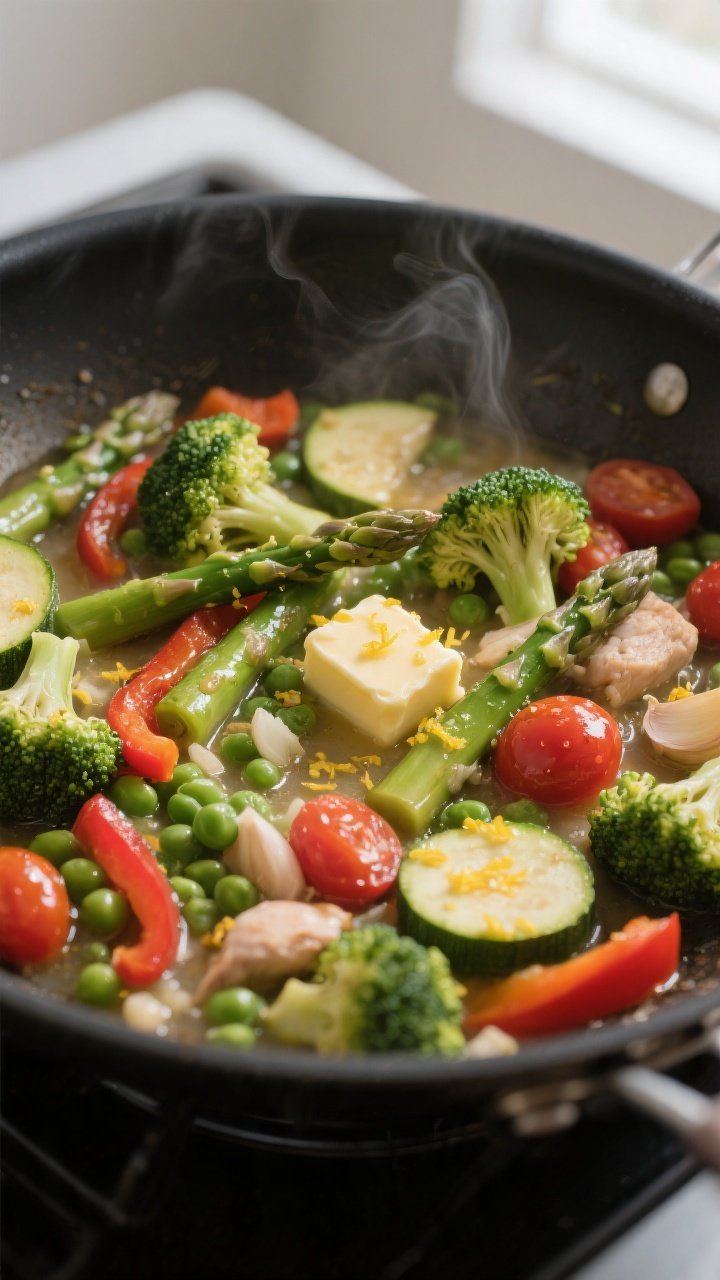
- Cook sturdy vegetables first. Add broccoli and asparagus with a splash of broth. Cover and steam-sauté 2–3 minutes until crisp-tender.
- Add quicker-cooking vegetables. Stir in zucchini and bell pepper. Cook 3–4 minutes, tossing occasionally. If the pan looks dry, add a bit more broth.
- Finish the veg. Add peas and cherry tomatoes. Cook 1–2 minutes until the tomatoes just start to slump. Season with salt, pepper, and a pinch of red pepper flakes if you like heat.
- Build the sauce. Reduce heat to low. Stir in butter (if using), remaining broth, lemon zest, and half the Parmesan. Whisk in Greek yogurt or ricotta until smooth. Keep it gentle to prevent curdling.
- Add protein. Fold in chicken or chickpeas. Warm through for 1–2 minutes. Taste and adjust seasoning.
- Toss with pasta. Add drained pasta to the skillet. Splash in pasta water a little at a time, tossing until the sauce turns glossy and coats the noodles. Squeeze in lemon juice to brighten.
- Finish and serve. Remove from heat. Stir in parsley and basil. Top with the remaining Parmesan. Serve hot with extra lemon wedges if you like.
Why This Recipe Works
Traditional primavera celebrates vegetables, but it can fall short on fullness. This high-protein approach fixes that by using protein-rich pasta and adding lean chicken or plant-based options like chickpeas.
A quick, creamy sauce clings to every shape of pasta without feeling heavy.
Cooking the veggies in stages keeps them bright and crisp. The sauce builds directly in the pan, picking up the flavor of garlic and lemon. Finishing the pasta in the skillet with a splash of cooking water ties everything together for a silky finish.
Shopping List
- Pasta: 12 ounces high-protein pasta (chickpea, lentil, or protein-enriched wheat)
- Protein: 12 ounces cooked chicken breast (diced) or 1 can chickpeas (drained and rinsed)
- Vegetables: 1 small head broccoli (cut into small florets), 1 medium zucchini (halved and sliced), 1 red bell pepper (thinly sliced), 1 cup cherry tomatoes (halved), 1 cup asparagus (1-inch pieces), 1 cup peas (fresh or frozen)
- Aromatics: 3 cloves garlic (minced), 1 small shallot (finely chopped)
- Fats: 2 tablespoons olive oil, 1 tablespoon unsalted butter (optional for richness)
- Sauce Base: 1/2 cup low-sodium chicken or vegetable broth, 1/2 cup Greek yogurt or light ricotta, 1/4 cup grated Parmesan (plus more to serve)
- Freshness Boost: Zest and juice of 1 lemon, 1/4 cup fresh parsley (chopped), a few basil leaves (optional)
- Seasoning: Salt, black pepper, red pepper flakes (optional)
Step-by-Step Instructions
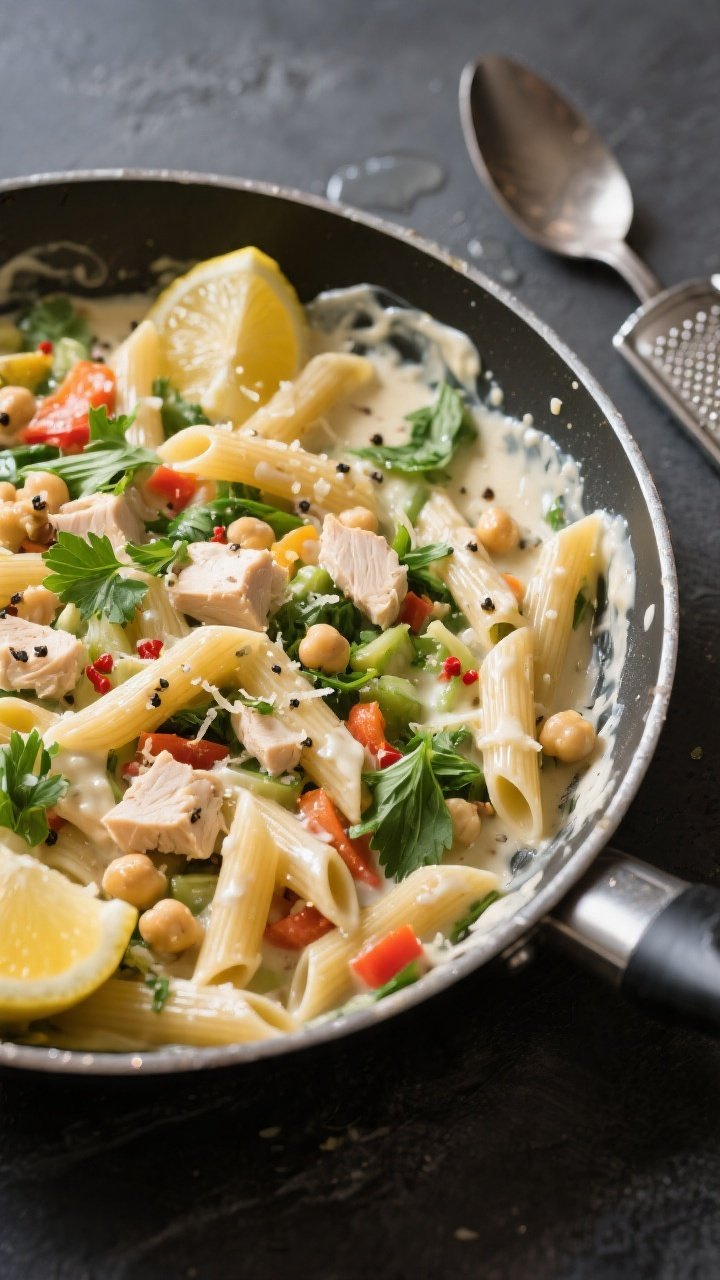
- Boil the pasta. Bring a large pot of salted water to a boil.
Cook the high-protein pasta according to package directions until just shy of al dente. Reserve 1 cup of pasta water, then drain.
- Prep the veggies and protein. While the water heats, chop your vegetables to similar bite-size pieces. Dice cooked chicken or drain and rinse chickpeas.
- Sauté aromatics. Heat olive oil in a large skillet over medium.
Add shallot and a pinch of salt; cook 2 minutes until softened. Stir in garlic for 30 seconds until fragrant.
- Cook sturdy vegetables first. Add broccoli and asparagus with a splash of broth. Cover and steam-sauté 2–3 minutes until crisp-tender.
- Add quicker-cooking vegetables. Stir in zucchini and bell pepper.
Cook 3–4 minutes, tossing occasionally. If the pan looks dry, add a bit more broth.
- Finish the veg. Add peas and cherry tomatoes. Cook 1–2 minutes until the tomatoes just start to slump.
Season with salt, pepper, and a pinch of red pepper flakes if you like heat.
- Build the sauce. Reduce heat to low. Stir in butter (if using), remaining broth, lemon zest, and half the Parmesan. Whisk in Greek yogurt or ricotta until smooth.
Keep it gentle to prevent curdling.
- Add protein. Fold in chicken or chickpeas. Warm through for 1–2 minutes. Taste and adjust seasoning.
- Toss with pasta. Add drained pasta to the skillet.
Splash in pasta water a little at a time, tossing until the sauce turns glossy and coats the noodles. Squeeze in lemon juice to brighten.
- Finish and serve. Remove from heat. Stir in parsley and basil.
Top with the remaining Parmesan. Serve hot with extra lemon wedges if you like.
Keeping It Fresh
Let leftovers cool, then store in an airtight container for up to 4 days. For best texture, keep the herbs and extra Parmesan separate and add them after reheating.
Reheat gently on the stovetop with a splash of water or broth to loosen the sauce.
You can also portion into lunch bowls. Add a handful of baby spinach before reheating; it will wilt perfectly into the pasta. Avoid freezing if using Greek yogurt, as dairy can separate when thawed.
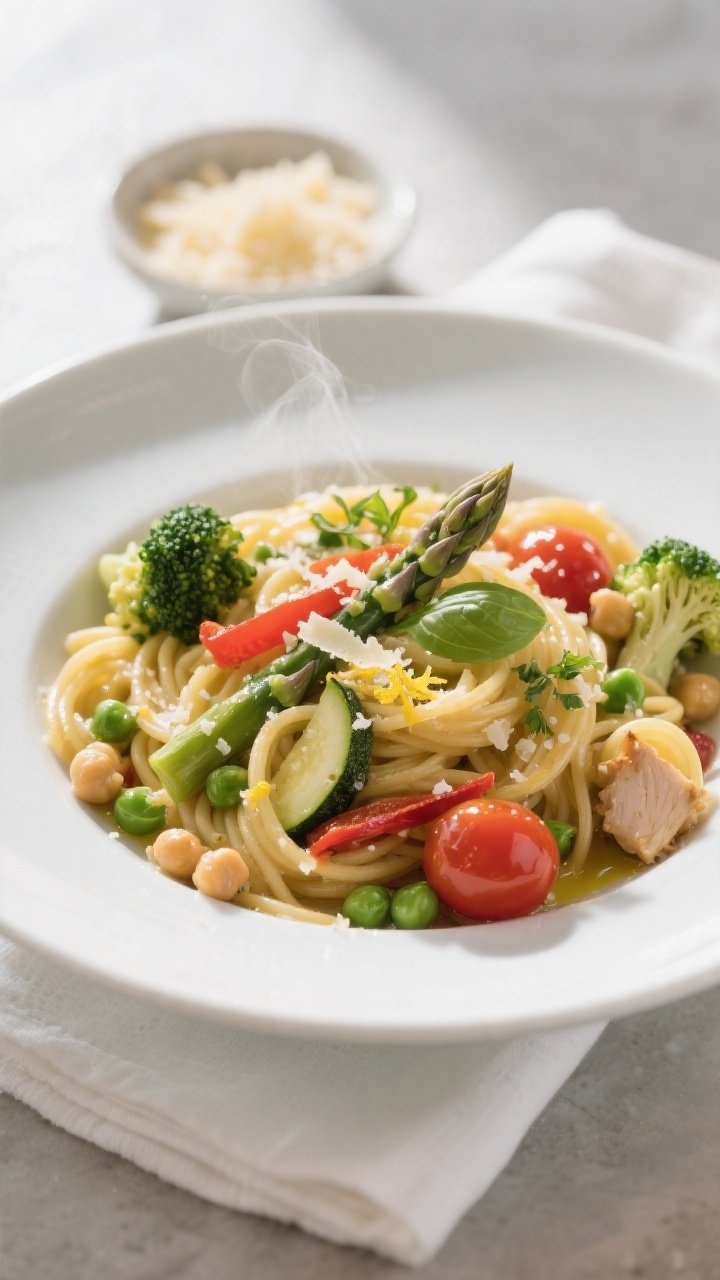
Why This is Good for You
This dish balances protein, fiber, and healthy fats, which helps keep you full and steady your energy.
High-protein pasta plus chicken or chickpeas boosts satiety and supports muscle recovery. The vegetables deliver vitamins A, C, K, and a mix of antioxidants.
Swapping heavy cream for Greek yogurt or ricotta cuts saturated fat while adding extra protein and calcium. Olive oil brings heart-healthy monounsaturated fats.
A squeeze of lemon brightens flavor, letting you use less salt without losing punch.
Common Mistakes to Avoid
- Overcooking the pasta. Protein pastas can go mushy fast. Pull them just shy of al dente since they’ll finish in the sauce.
- Cooking all the veggies at once. Layer them in stages. Sturdy veg first, tender veg last.
This keeps everything crisp-tender.
- Letting the sauce boil after adding yogurt. Keep heat low to prevent curdling. If it separates, whisk in a splash of pasta water to bring it back.
- Skimping on seasoning. Veggies need salt at each step. Taste and adjust after adding lemon and cheese.
- Forgetting pasta water. That starchy liquid is your best tool for a silky, clinging sauce.
Alternatives
Save time, eat healthier, and take the stress out of dinner.
Get a full week of easy healthy dinners delivered straight to your inbox.
- Protein swaps: Try sautéed shrimp, turkey sausage, tofu cubes, or white beans.
Pick one main protein and keep the rest simple.
- Dairy-free: Use a creamy cashew blend (soaked cashews plus broth, lemon, and nutritional yeast) instead of yogurt and Parmesan.
- Gluten-free: Choose gluten-free high-protein pasta like chickpea or lentil. Check labels for cross-contamination if needed.
- Extra veg: Add mushrooms, spinach, or sugar snap peas. Keep total volume similar so the pan doesn’t overcrowd.
- Zesty twist: Stir in pesto at the end instead of parsley, and skip the yogurt for a lighter, herb-forward finish.
FAQ
Can I make this ahead?
Yes.
Cook the pasta slightly under al dente and keep the sauce and vegetables separate. Combine and reheat with pasta water just before serving. Add herbs and extra cheese at the end.
What pasta shape works best?
Short shapes like penne, rotini, or rigatoni catch the veggies and sauce.
If you prefer long noodles, try fettuccine and toss thoroughly to coat.
How do I keep the sauce from separating?
Lower the heat before adding yogurt or ricotta. Whisk it in off the heat if you’re worried, then return to low heat. Use pasta water to emulsify and smooth it out.
Can I use frozen vegetables?
Absolutely.
Thaw and pat dry first, or add them straight from frozen and cook off excess moisture. Keep a bit of bite to avoid a soggy mix.
How do I make it spicier?
Add red pepper flakes with the garlic, or finish with Calabrian chili paste. Taste as you go so the heat complements the lemon and herbs.
Is there a lower-carb option?
Use a smaller portion of high-protein pasta and bulk up with spiralized zucchini or hearts of palm pasta.
Keep the same sauce and protein amounts for balance.
What cheese can I substitute for Parmesan?
Pecorino Romano offers a saltier, sharper kick. For dairy-free, try nutritional yeast for a savory, cheesy note.
Can I skip the butter?
Yes. Olive oil alone works fine.
The sauce will still be silky once you add pasta water and cheese or yogurt.
In Conclusion
High Protein Pasta Primavera brings color, crunch, and comfort together in one pan. It’s flexible, quick, and nourishing, with enough protein to keep you satisfied. Use what you have, season confidently, and don’t forget that splash of pasta water for a glossy finish.
This is the kind of weeknight staple that feels as good as it tastes—and makes great leftovers too.
Printable Recipe Card
Want just the essential recipe details without scrolling through the article? Get our printable recipe card with just the ingredients and instructions.
Loved This Recipe?
If you're looking for more simple, healthy dinners your family will actually eat, grab my FREE 7-Day Easy Dinner Reset. You'll get 7 easy dinner recipes, simple grocery lists, and a done-for-you plan that takes the stress out of mealtime.