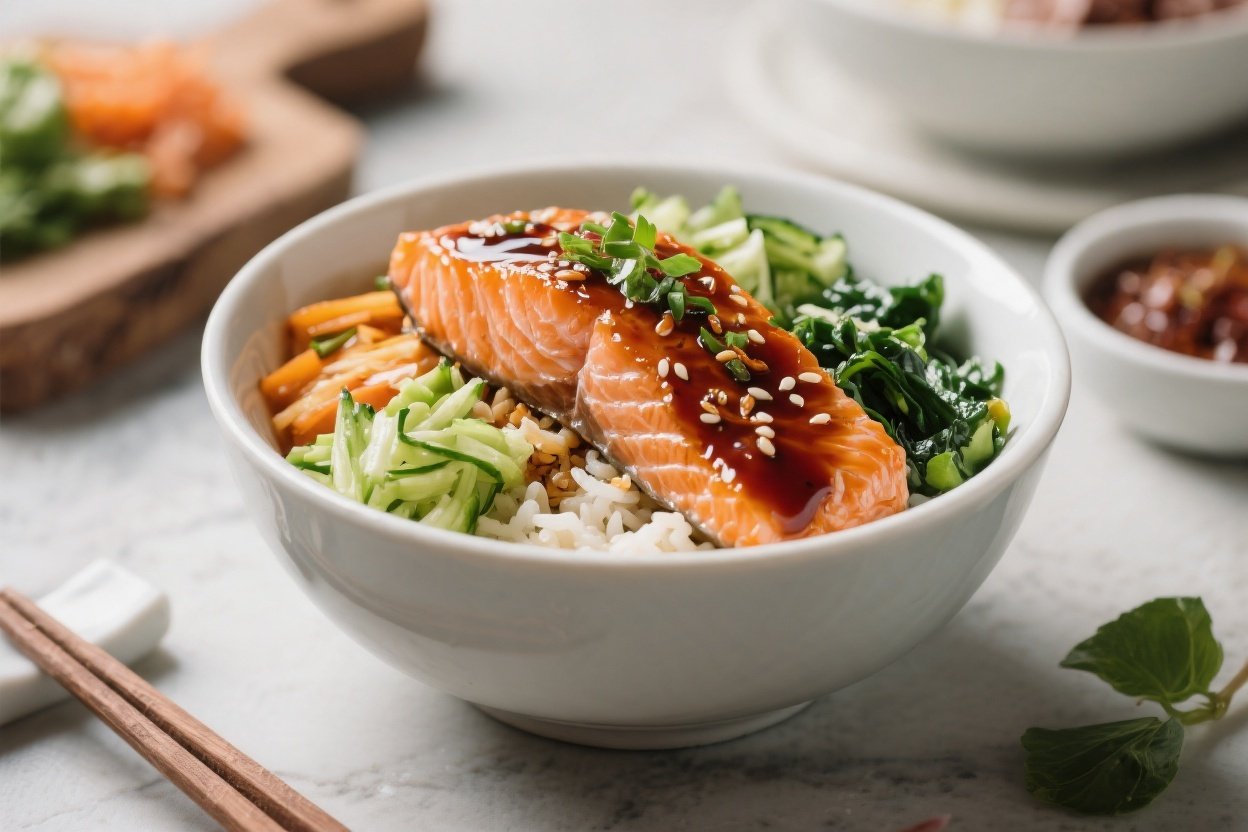
High Protein Teriyaki Salmon Bowls – Simple, Flavor-Packed Meal Prep
These High Protein Teriyaki Salmon Bowls are the kind of weeknight win that never gets old. You get tender, caramelized salmon, saucy vegetables, and a satisfying base that keeps you full for hours. Everything cooks quickly, and the flavors feel like takeout—but fresher and cleaner.
Stop wondering what's for dinner.
Get 7 healthy, family-friendly dinners complete with recipes and simple meal plans delivered straight to your inbox.
Whether you’re fueling post-workout or just want a balanced dinner that tastes great, this bowl delivers. It’s also easy to scale for meal prep without getting boring by day three.
Ingredients
Method
- Cook your base: Make brown rice or quinoa according to package directions. Fluff and keep warm. This is the foundation of your bowl.
- Whisk the teriyaki: In a small bowl, mix soy sauce, honey, rice vinegar, sesame oil, garlic, ginger, and optional heat. In another cup, stir cornstarch into cold water until smooth. Set both aside.
- Season the salmon: Pat salmon dry. Rub with oil, salt, and pepper. Dry salmon sears better and helps the glaze stick.
- Sear the salmon: Heat a large nonstick or cast-iron skillet over medium-high. Place salmon skin-side down and cook 4–5 minutes until the skin is crisp and the sides turn opaque about halfway up.
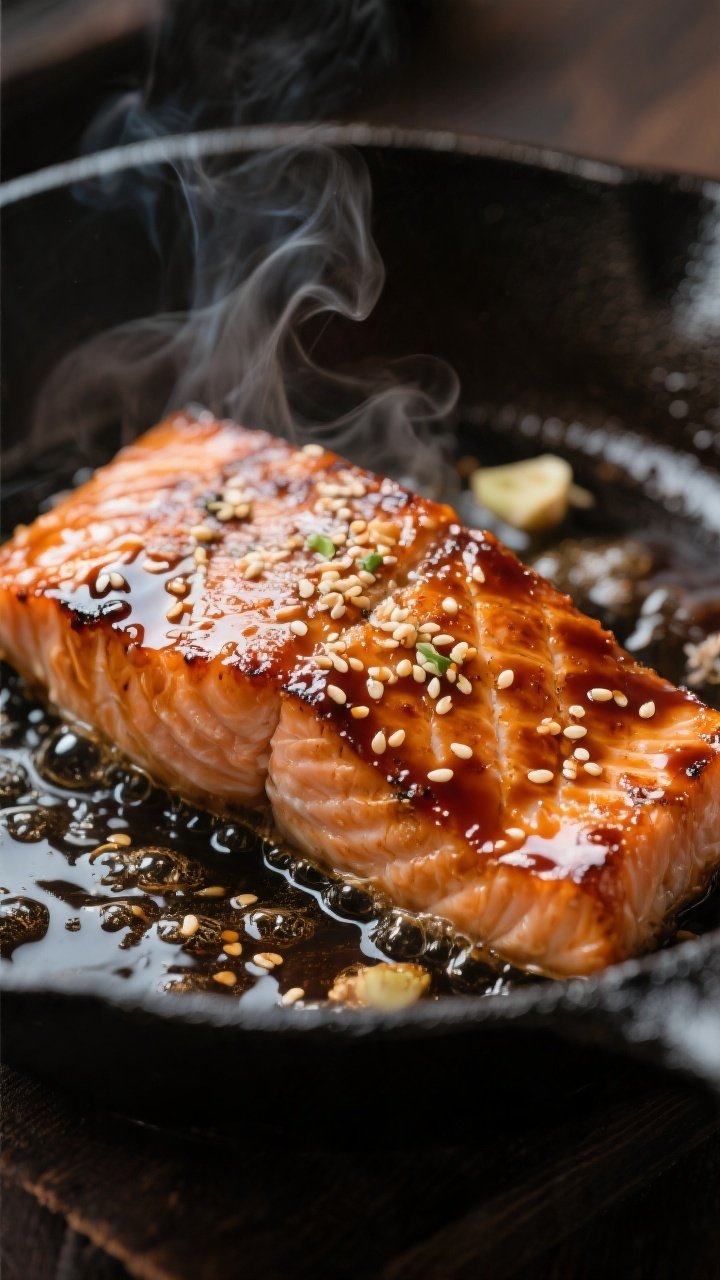
- Flip and glaze: Flip the salmon and cook 1 minute. Pour in the soy mixture and bring to a gentle bubble. Stir in the cornstarch slurry and simmer 1–2 minutes, spooning sauce over salmon until glossy and just cooked through.
- Sauté the veggies: In a second pan, heat oil over medium-high. Add broccoli and bell pepper; cook 3 minutes. Add snap peas and carrot; cook 2 more minutes. Season with a pinch of salt. You want crisp-tender, not mushy.
- Assemble the bowls: Add a scoop of rice or quinoa, top with vegetables, then the salmon. Spoon extra teriyaki over everything. Finish with green onions, sesame seeds, and a squeeze of lime if you like.
- Check doneness: Salmon should flake easily and reach about 125–130°F for medium. Pull earlier for slightly more rare, or cook to your preference.
What Makes This Special
- High protein, balanced macros: Salmon brings complete protein and healthy fats, while the bowl adds fiber and complex carbs.
- Fast and flexible: Most of the work happens in 20–25 minutes. Swap in your favorite veg or grain and keep the sauce the same.
- Better-than-takeout flavor: A glossy teriyaki glaze with ginger and garlic gives that sticky-sweet, savory finish you crave.
- Meal prep friendly: Holds up well for 3–4 days with a few simple storage tweaks.
- Simple ingredients: Pantry staples like soy sauce, honey, and rice vinegar do the heavy lifting.
Ingredients
- For the salmon:
- 1.5 pounds salmon fillets, skin-on, cut into 4 portions
- 1 tablespoon avocado or olive oil
- 1/2 teaspoon kosher salt
- 1/4 teaspoon black pepper
- For the teriyaki sauce:
- 1/3 cup low-sodium soy sauce (or tamari for gluten-free)
- 3 tablespoons honey (or maple syrup)
- 2 tablespoons rice vinegar
- 1 tablespoon toasted sesame oil
- 2 cloves garlic, finely minced
- 1 tablespoon fresh ginger, grated
- 1 tablespoon cornstarch
- 1/3 cup cold water
- Optional: 1–2 teaspoons Sriracha or red pepper flakes for heat
- For the bowls:
- 3 cups cooked brown rice or quinoa (about 1 cup uncooked)
- 2 cups broccoli florets
- 1 red bell pepper, sliced
- 1 cup snap peas or edamame (shelled)
- 1 medium carrot, peeled into ribbons or thinly sliced
- 1 tablespoon oil for sautéing
- To finish:
- 2 green onions, thinly sliced
- 1 tablespoon sesame seeds
- Lime wedges (optional)
How to Make It
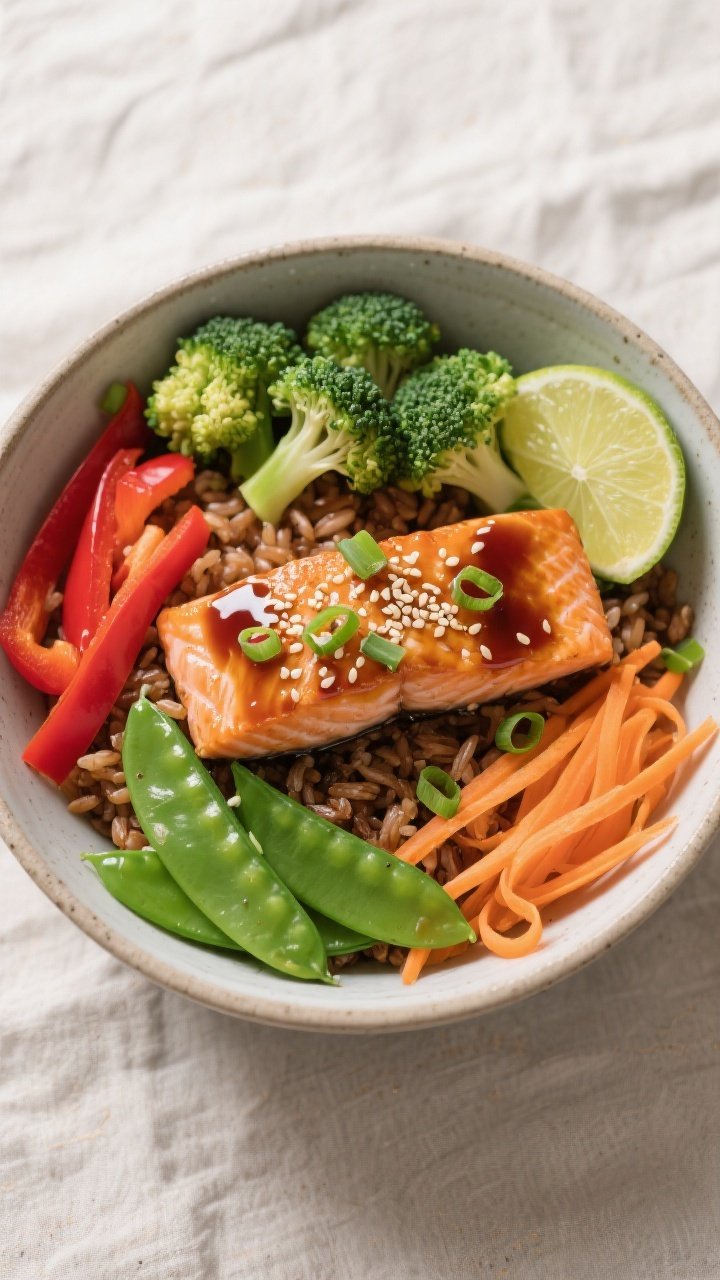
- Cook your base: Make brown rice or quinoa according to package directions.
Fluff and keep warm. This is the foundation of your bowl.
- Whisk the teriyaki: In a small bowl, mix soy sauce, honey, rice vinegar, sesame oil, garlic, ginger, and optional heat. In another cup, stir cornstarch into cold water until smooth.
Set both aside.
- Season the salmon: Pat salmon dry. Rub with oil, salt, and pepper. Dry salmon sears better and helps the glaze stick.
- Sear the salmon: Heat a large nonstick or cast-iron skillet over medium-high.
Place salmon skin-side down and cook 4–5 minutes until the skin is crisp and the sides turn opaque about halfway up.
- Flip and glaze: Flip the salmon and cook 1 minute. Pour in the soy mixture and bring to a gentle bubble. Stir in the cornstarch slurry and simmer 1–2 minutes, spooning sauce over salmon until glossy and just cooked through.
- Sauté the veggies: In a second pan, heat oil over medium-high.
Add broccoli and bell pepper; cook 3 minutes. Add snap peas and carrot; cook 2 more minutes. Season with a pinch of salt.
You want crisp-tender, not mushy.
- Assemble the bowls: Add a scoop of rice or quinoa, top with vegetables, then the salmon. Spoon extra teriyaki over everything. Finish with green onions, sesame seeds, and a squeeze of lime if you like.
- Check doneness: Salmon should flake easily and reach about 125–130°F for medium.
Pull earlier for slightly more rare, or cook to your preference.
How to Store
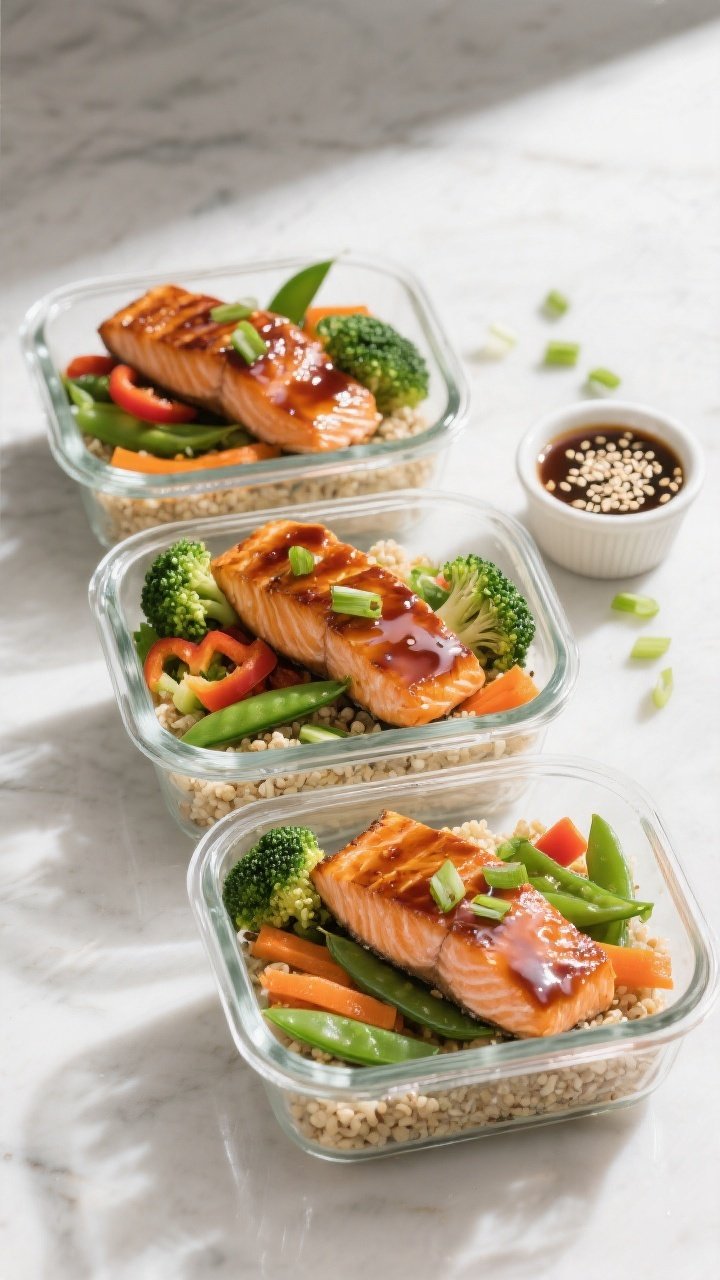
- Fridge: Store components separately for best texture. Keep salmon and sauce together in one container, rice in another, and veggies in a third. Refrigerate up to 3–4 days.
- Reheating: Microwave salmon covered at 50–60% power to avoid drying out, about 60–90 seconds.
Warm rice and veggies separately, then add sauce as needed.
- Freezer: Freeze cooked salmon and rice in portioned containers up to 2 months. Add fresh veggies after thawing for better crunch. Thaw overnight in the fridge.
- Meal prep tip: Pack a little extra sauce on the side.
It refreshes the bowl after reheating.
Benefits of This Recipe
- High-quality protein: Salmon delivers around 20–22g protein per 3 ounces, plus omega-3s that support heart and brain health.
- Balanced energy: Pairing lean protein with whole grains and fiber-rich veggies keeps you satisfied longer.
- Lower sodium option: Using low-sodium soy and controlling the sauce beats most restaurant teriyaki bowls.
- Customizable nutrition: Adjust carbs, veggies, or fats based on your goals without losing flavor.
Common Mistakes to Avoid
- Overcooking the salmon: It turns dry fast. Watch for the color change up the sides and pull at medium for juicy flakes.
- Skipping the slurry: Cornstarch needs cold water first to dissolve. Add it directly and you’ll get lumps.
- Moving the salmon too soon: Let the skin crisp before flipping.
If it sticks, give it another 30 seconds.
- Soggy vegetables: High heat and short cook time keep them crisp. Don’t overcrowd the pan.
- Too-sweet sauce: Balance honey with vinegar and a pinch of heat. Taste and adjust before thickening.
Alternatives
Save time, eat healthier, and take the stress out of dinner.
Get a full week of easy healthy dinners delivered straight to your inbox.
- Protein swaps: Try tofu (press and pan-sear), shrimp (fast-cooking), or chicken thighs (slice thin and sauté).
- Grain options: Use jasmine rice, cauliflower rice, farro, or soba noodles.
Choose what fits your macros and taste.
- Veg rotations: Swap in zucchini, mushrooms, baby bok choy, or cabbage. Frozen broccoli works in a pinch.
- Sauce tweaks: For less sugar, reduce honey to 2 tablespoons and add a splash more vinegar. For gluten-free, use tamari and confirm cornstarch is certified GF.
- Cooking methods: Air fry salmon at 390°F for 7–9 minutes, then toss with warmed sauce.
Or bake at 400°F for 10–12 minutes and glaze at the end.
FAQ
Can I use frozen salmon?
Yes. Thaw overnight in the fridge or under cold running water, then pat dry very well before cooking. Dry surfaces help you get a better sear and prevent steaming.
How do I keep the sauce from getting too thick?
Remove the pan from heat as soon as the sauce turns glossy and coats a spoon.
If it over-thickens, whisk in a tablespoon of water at a time until it loosens.
Is there a way to make this lower carb?
Use cauliflower rice or a bed of shredded cabbage and carrots. Keep the same salmon and sauce and you’ll still get great flavor and plenty of protein.
What if I don’t have fresh ginger?
Use 1/2 teaspoon ground ginger. It’s not as bright as fresh but still works.
You can also sub a squeeze of ginger paste from a tube.
Can I grill the salmon instead?
Absolutely. Oil the grates, grill skin-side down over medium heat for 5–7 minutes, flip for 1–2, then brush with warmed teriyaki at the end to avoid burning.
How spicy is it?
It’s mild as written. Add Sriracha, red pepper flakes, or a little chili crisp to bring the heat without overpowering the sweetness.
How much protein is in one bowl?
A typical serving with 6 ounces of salmon provides roughly 40–45 grams of protein, depending on your sides and base.
Can I make the sauce ahead?
Yes.
Mix everything except the cornstarch and water up to 5 days ahead. Thicken it when you’re ready to cook so it stays fresh and smooth.
Wrapping Up
High Protein Teriyaki Salmon Bowls hit that sweet spot of easy, nutritious, and seriously tasty. You get a hearty dose of protein, bright vegetables, and a glossy sauce that ties it all together.
Keep the method the same and feel free to swap in the grains and veggies you love. Whether you’re meal prepping or cooking once for a crowd, this bowl is a smart, satisfying go-to. Keep extra sauce on hand—you’ll want it.
Printable Recipe Card
Want just the essential recipe details without scrolling through the article? Get our printable recipe card with just the ingredients and instructions.
Loved This Recipe?
If you're looking for more simple, healthy dinners your family will actually eat, grab my FREE 7-Day Easy Dinner Reset. You'll get 7 easy dinner recipes, simple grocery lists, and a done-for-you plan that takes the stress out of mealtime.