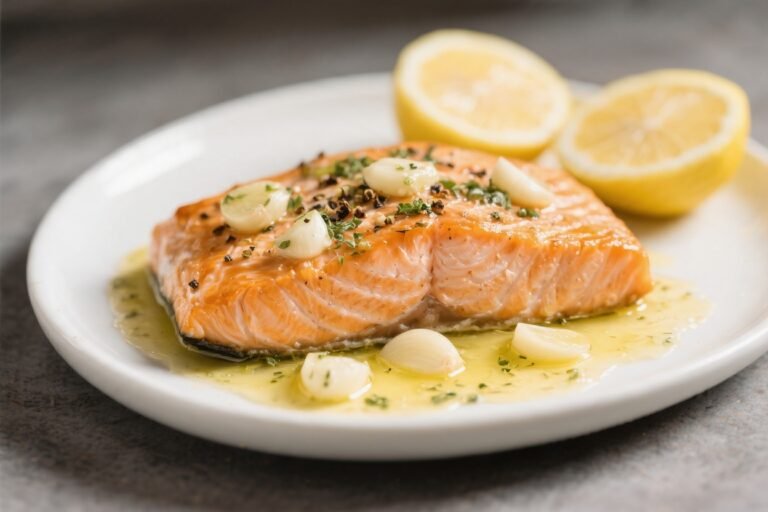
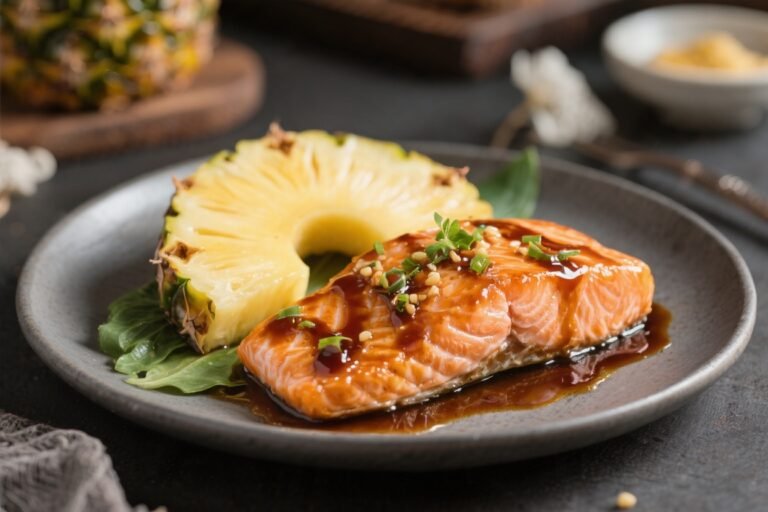
Sticky Orange Glazed Salmon – Bright, Sweet, and Savory Dinner
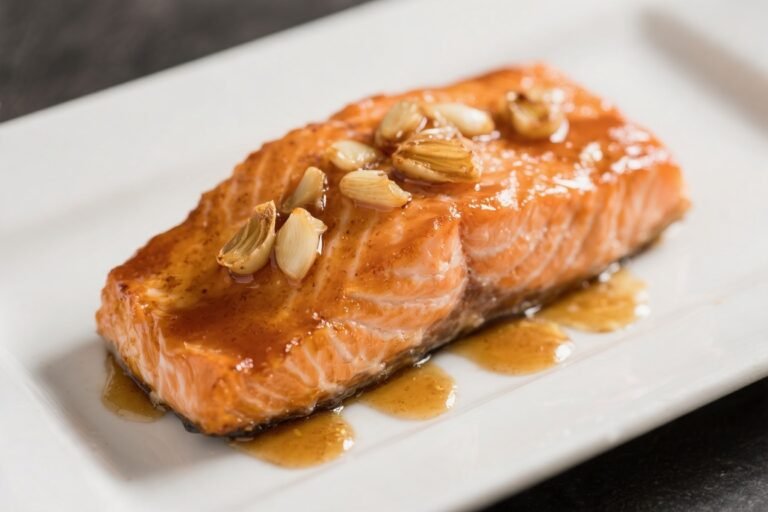
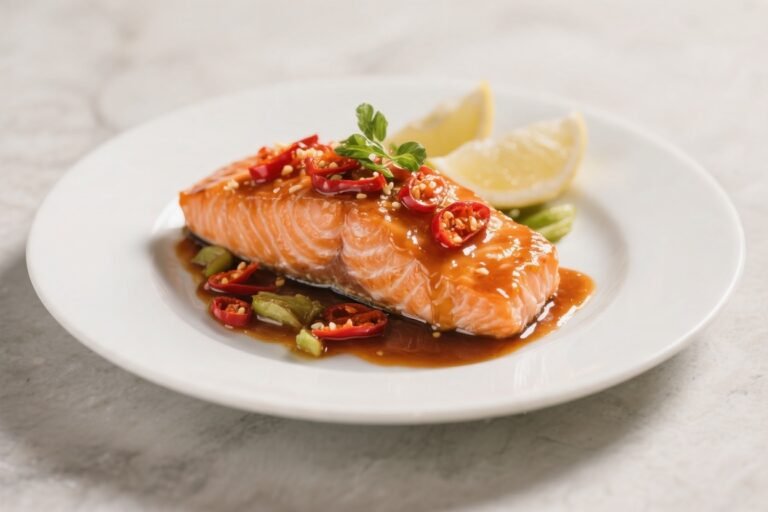
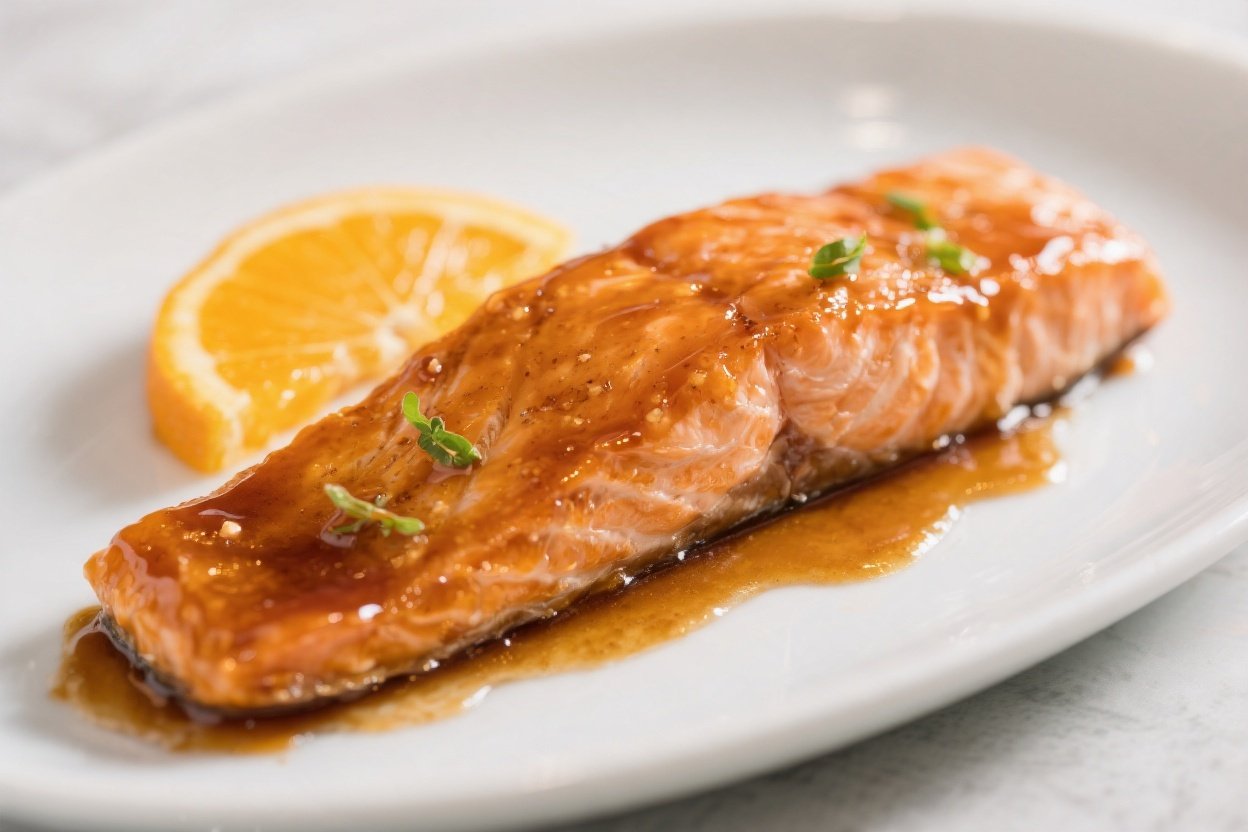
This sticky orange glazed salmon is the kind of dinner that feels special but takes almost no effort. The sauce is glossy, citrusy, and just sweet enough to balance the rich salmon. A quick sear, a fast reduction, and you’ve got restaurant-style results at home.
Stop wondering what's for dinner.
Get 7 healthy, family-friendly dinners complete with recipes and simple meal plans delivered straight to your inbox.
It works on a busy weeknight, but it’s also nice enough to serve to guests. If you like big flavors with minimal fuss, this recipe will hit the spot.
Ingredients
Method
- Pat the salmon dry. Use paper towels to remove surface moisture. Season both sides with salt and pepper. Dry fish sears better and helps the glaze stick.
- Mix the glaze. In a small bowl, whisk together orange juice, zest, soy sauce, honey, vinegar, garlic, ginger, and red pepper flakes if using. Taste and adjust sweetness or saltiness.
- Preheat your pan. Set a large skillet over medium-high heat and add the oil. When the oil shimmers, it’s ready.
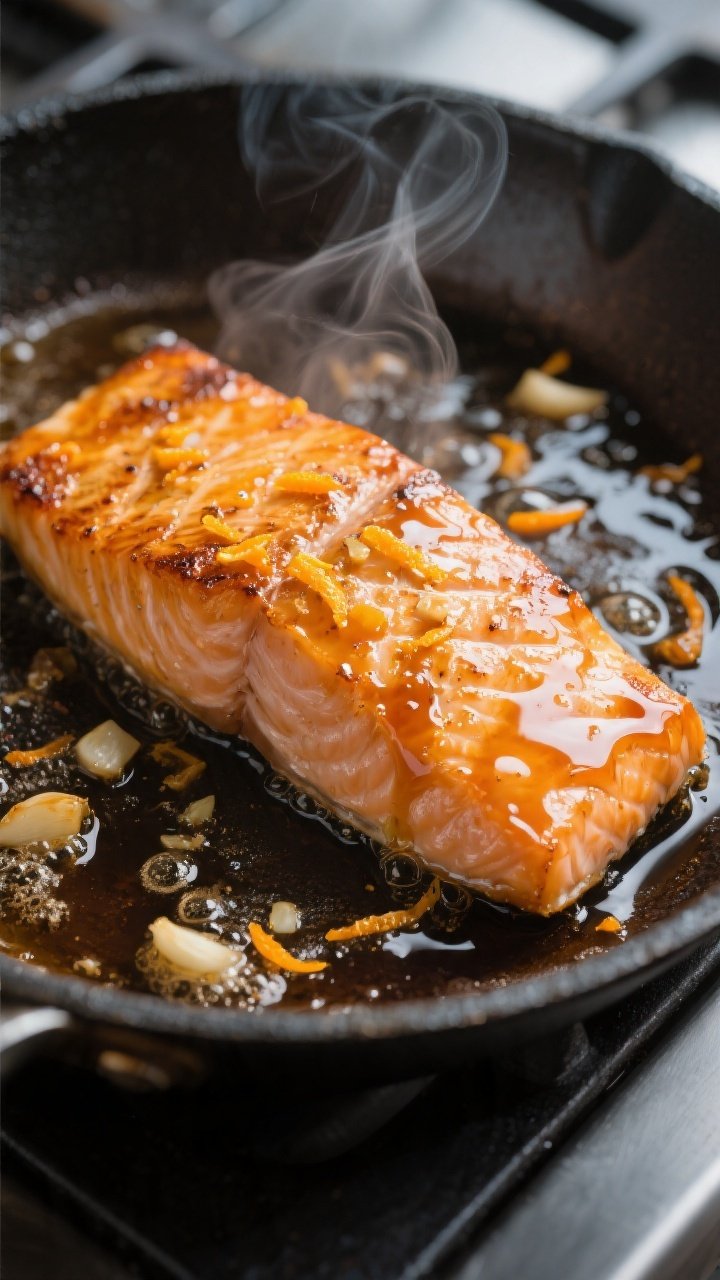
- Sear the salmon. Place fillets in the pan, skin-side down if using skin-on. Cook 3–4 minutes until the skin is crisp and the edges turn opaque. Flip and cook 1–2 minutes more. Transfer salmon to a plate (it will finish in the glaze).
- Reduce the sauce. Lower heat to medium. Pour the orange mixture into the skillet, scraping any browned bits. Let it simmer 3–5 minutes, stirring, until slightly reduced and glossy. For a thicker glaze, add the cornstarch slurry and simmer 30–60 seconds more.
- Glaze the salmon. Return the fillets to the pan. Spoon the sauce over them and cook 1–2 minutes, just until the salmon flakes easily with a fork and the glaze is sticky and clings.
- Finish and serve. Remove from heat. Garnish with sliced green onions and sesame seeds. Serve over rice, spooning extra glaze on top.
What Makes This Recipe So Good
- Bold flavor, simple steps: Fresh orange juice and zest bring brightness, while soy sauce, garlic, and ginger add depth. It’s sweet, savory, and a little tangy.
- Quick cooking time: You’ll go from stovetop to table in under 30 minutes, including the glaze reduction.
- Great texture: The salmon gets a golden sear, and the glaze becomes thick and sticky as it clings to the fish.
- Flexible and forgiving: Works with skin-on or skinless fillets, fresh or frozen (thawed).
You can also bake or air-fry if you prefer.
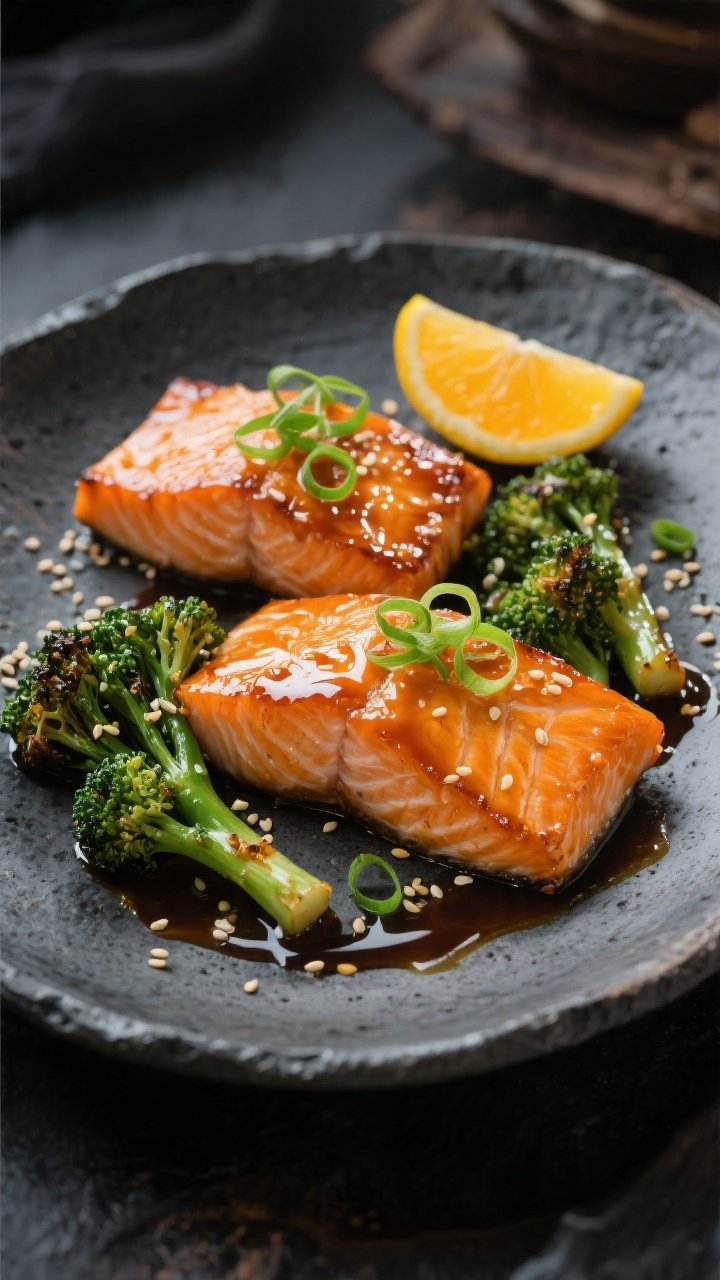
- Pairs with everything: Serve it with rice, quinoa, roasted broccoli, or a crisp salad. The glaze doubles as a light sauce for sides.
What You’ll Need
- Salmon fillets: 4 fillets (about 6 ounces each), skin-on or skinless
- Fresh orange juice: 3/4 cup (about 2–3 oranges)
- Orange zest: 1 tablespoon, finely grated
- Soy sauce or tamari: 2 tablespoons
- Honey or maple syrup: 2–3 tablespoons (to taste)
- Rice vinegar or apple cider vinegar: 1 tablespoon
- Garlic: 2 cloves, minced
- Fresh ginger: 1 teaspoon, grated (or 1/2 teaspoon ground)
- Red pepper flakes: 1/4 teaspoon (optional, for heat)
- Cornstarch: 1 teaspoon mixed with 2 teaspoons water (optional slurry for extra-thick glaze)
- Olive oil or avocado oil: 1–2 tablespoons for searing
- Kosher salt and black pepper: to season
- Green onions and sesame seeds: for garnish (optional)
Step-by-Step Instructions
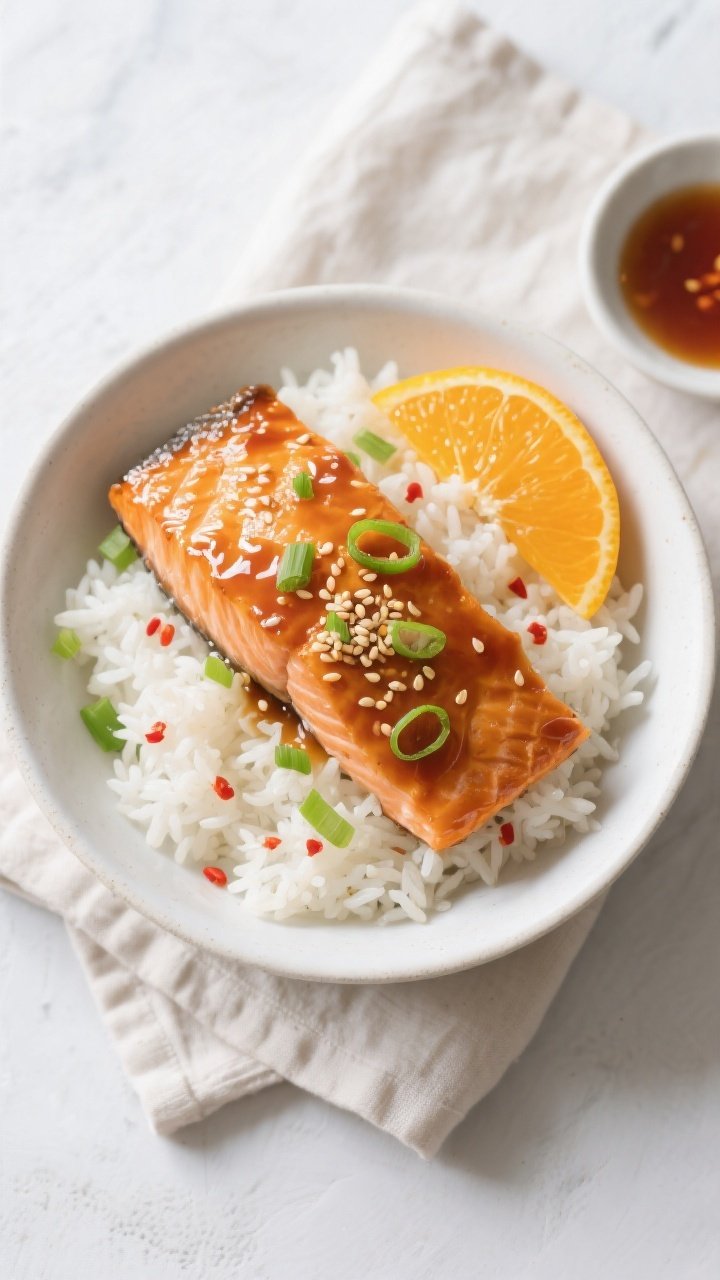
- Pat the salmon dry. Use paper towels to remove surface moisture. Season both sides with salt and pepper.
Dry fish sears better and helps the glaze stick.
- Mix the glaze. In a small bowl, whisk together orange juice, zest, soy sauce, honey, vinegar, garlic, ginger, and red pepper flakes if using. Taste and adjust sweetness or saltiness.
- Preheat your pan. Set a large skillet over medium-high heat and add the oil. When the oil shimmers, it’s ready.
- Sear the salmon. Place fillets in the pan, skin-side down if using skin-on.
Cook 3–4 minutes until the skin is crisp and the edges turn opaque. Flip and cook 1–2 minutes more. Transfer salmon to a plate (it will finish in the glaze).
- Reduce the sauce. Lower heat to medium.
Pour the orange mixture into the skillet, scraping any browned bits. Let it simmer 3–5 minutes, stirring, until slightly reduced and glossy. For a thicker glaze, add the cornstarch slurry and simmer 30–60 seconds more.
- Glaze the salmon. Return the fillets to the pan.
Spoon the sauce over them and cook 1–2 minutes, just until the salmon flakes easily with a fork and the glaze is sticky and clings.
- Finish and serve. Remove from heat. Garnish with sliced green onions and sesame seeds. Serve over rice, spooning extra glaze on top.
Storage Instructions
- Refrigerate: Cool completely, then store in an airtight container for up to 3 days.
- Reheat gently: Warm on the stovetop over low heat with a splash of water or orange juice, or microwave in short bursts to avoid overcooking.
- Freeze: Not ideal for texture, but possible.
Freeze tightly wrapped portions up to 2 months. Thaw in the fridge overnight and reheat gently.
- Leftover ideas: Flake into a rice bowl, toss with soba noodles and steamed greens, or add to a citrusy salad with avocado and cucumbers.
Benefits of This Recipe
- Nutritious and satisfying: Salmon is rich in omega-3 fatty acids, protein, and vitamin D. The orange adds vitamin C and brightness without heavy ingredients.
- Balanced flavors: Sweet, salty, tangy, and a hint of heat come together in a way that pleases a wide range of palates.
- Weeknight-friendly: Minimal chopping, fast cooking, and one pan for both the sear and the sauce mean easy cleanup.
- Flexible portions: The glaze scales up or down easily for one person or a crowd.
Common Mistakes to Avoid
- Skipping the pat-dry step: Wet salmon won’t sear well and can steam.
Pat dry for a better crust and stickier glaze.
- Overcooking the fish: Salmon cooks fast. Pull it when the center turns slightly opaque and flakes easily. It will continue to cook off heat.
- Boiling the glaze too hard: A rapid boil can scorch the sugars.
Keep it at a steady simmer and stir often.
- Using only bottled juice: Fresh orange zest is key. It adds essential oils that bring real citrus aroma you won’t get from juice alone.
- Adding cornstarch too early: Slurry goes in near the end to avoid lumps and to control thickness.
Alternatives
- Citrus swaps: Try blood oranges, tangerines, or a half-and-half mix of orange and grapefruit for more tang.
- Sweeteners: Use brown sugar for a deeper caramel note, or agave for a lighter sweetness.
- Soy-free/gluten-free: Use coconut aminos or gluten-free tamari. Adjust sweetness and salt as needed.
- Spice variations: Add a dash of sriracha, gochujang, or a pinch of Chinese five-spice for warmth.
- Cooking methods: Bake at 400°F (205°C) for 10–12 minutes, then brush with reduced glaze and broil 1–2 minutes to caramelize.
Air-fryer at 390°F (200°C) for 7–9 minutes, brushing with glaze halfway.
- Protein swap: Use trout, arctic char, or chicken thighs (adjust cook time). For tofu, press well, sear until golden, and finish in the glaze.
FAQ
Save time, eat healthier, and take the stress out of dinner.
Get a full week of easy healthy dinners delivered straight to your inbox.
How do I know when salmon is done?
The flesh should turn opaque and flake easily with a fork, but still look moist inside. If you use a thermometer, aim for about 125–130°F (52–54°C) for medium.
Can I use frozen salmon?
Yes.
Thaw it in the refrigerator overnight or under cold running water in its packaging. Pat very dry before searing to get a good crust.
What if my glaze isn’t thickening?
Simmer a little longer to reduce. If it’s still thin, whisk in the cornstarch slurry and cook for 30–60 seconds until glossy.
Remember, it thickens more as it cools.
Is the glaze very sweet?
It’s balanced rather than sugary. If you prefer less sweetness, start with 2 tablespoons honey. If you want more caramelization, bump it to 3 tablespoons.
Can I make the sauce ahead?
You can mix the glaze ingredients up to 2 days in advance and keep it refrigerated.
Stir well before using, and simmer to reduce when you cook the salmon.
What sides go best with this salmon?
Steamed jasmine rice, coconut rice, quinoa, roasted broccolini, sautéed snap peas, or a simple cucumber and herb salad all complement the citrusy glaze.
How do I keep the skin crispy?
Cook skin-side down longer than the flip side, and don’t move the fish while it sears. Serve with the skin side up so it doesn’t steam in the sauce.
Wrapping Up
Sticky orange glazed salmon is a bright, flavorful dish that delivers maximum payoff with minimal work. The fresh citrus, savory soy, and touch of sweetness turn simple salmon into a weeknight favorite.
Keep the steps easy: sear, reduce, glaze, and serve. With a few pantry staples and one skillet, dinner is ready—and memorable.
Printable Recipe Card
Want just the essential recipe details without scrolling through the article? Get our printable recipe card with just the ingredients and instructions.
Loved This Recipe?
If you're looking for more simple, healthy dinners your family will actually eat, grab my FREE 7-Day Easy Dinner Reset. You'll get 7 easy dinner recipes, simple grocery lists, and a done-for-you plan that takes the stress out of mealtime.