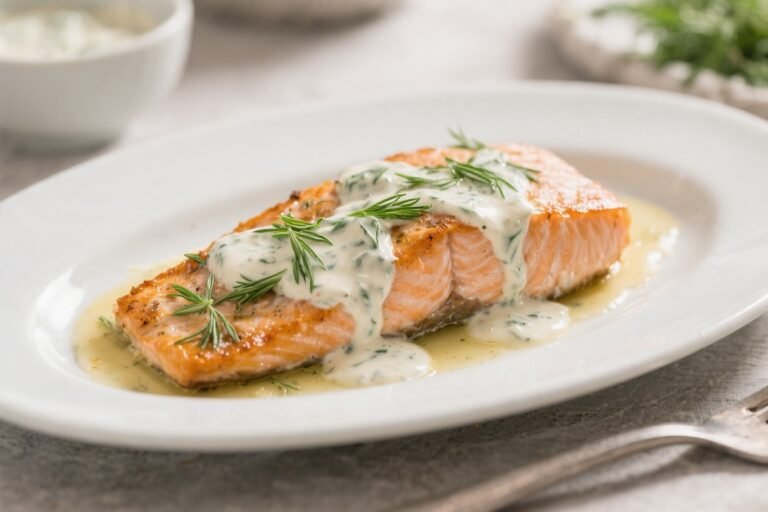
Crispy Skin Salmon With Lemon Cream Sauce – Easy, Bright, And Satisfying
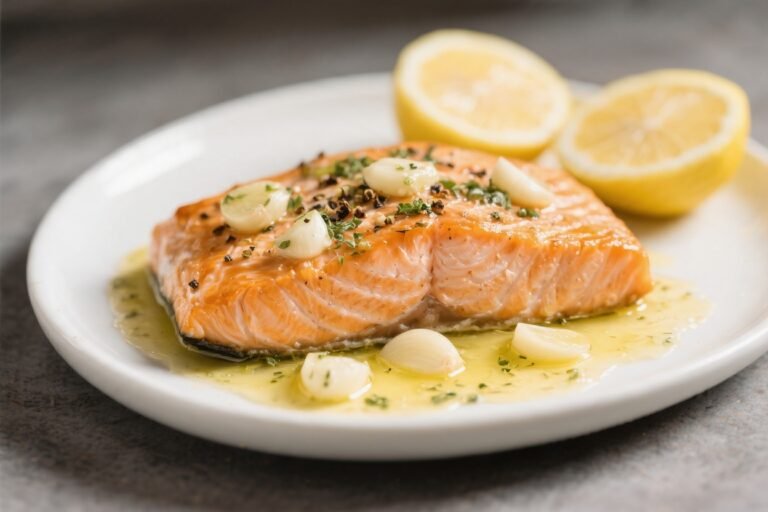
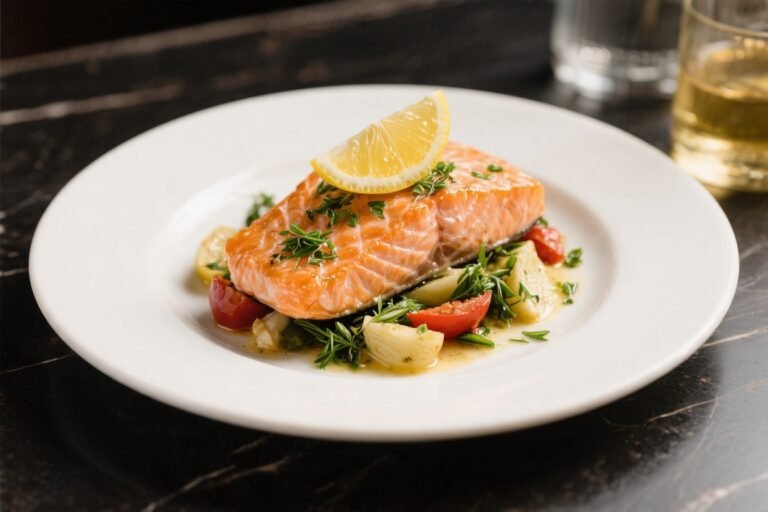
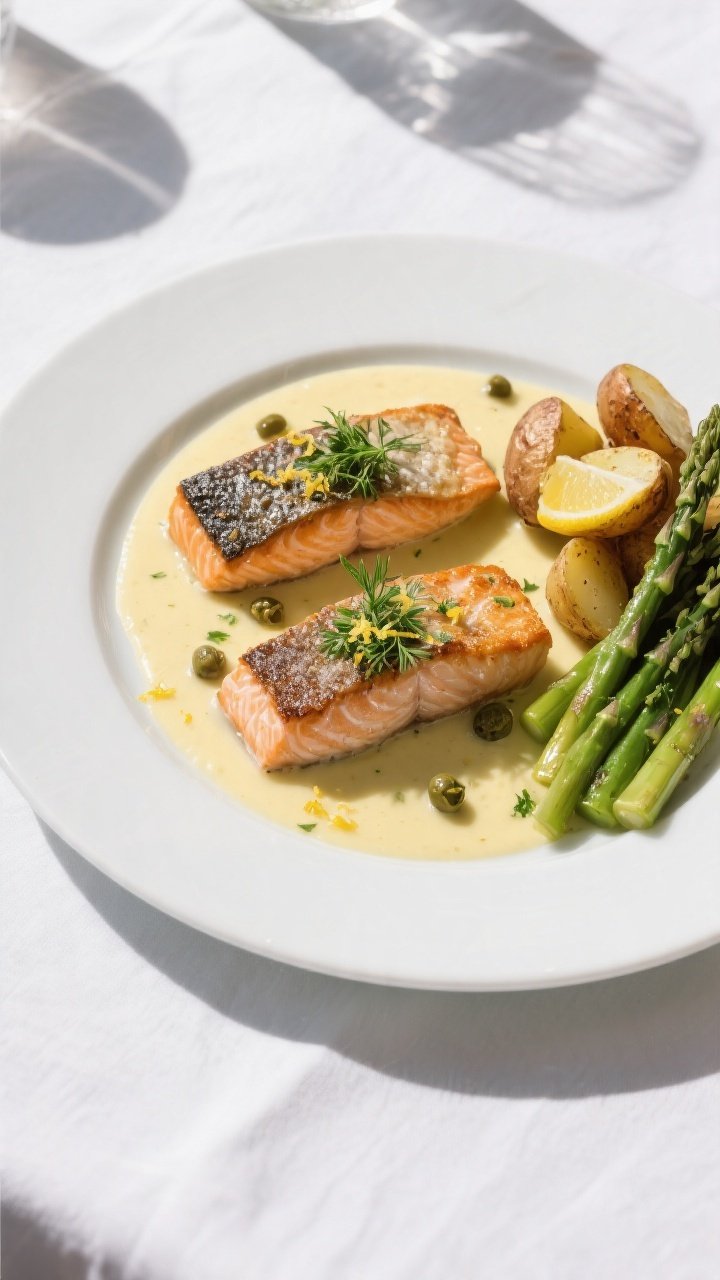
Crispy salmon with a silky lemon cream sauce is one of those meals that feels restaurant-worthy but takes less than 30 minutes. The skin turns shatter-crisp, the flesh stays juicy, and the sauce ties everything together with a sunny, tangy finish. You don’t need special skills—just a hot pan and a few smart steps.
Stop wondering what's for dinner.
Get 7 healthy, family-friendly dinners complete with recipes and simple meal plans delivered straight to your inbox.
Serve it with greens, potatoes, or pasta, and you’ve got a complete dinner that tastes like you planned ahead.
Ingredients
Method
- Prep the salmon: Pat fillets very dry, especially the skin. Dry skin is key to crispness. Season both sides with salt and pepper.
- Preheat the pan: Set a large stainless steel or cast-iron skillet over medium-high heat. Add 1 tablespoon oil and heat until shimmering.
- Sear skin-side down: Place salmon in the pan skin-side down. Press gently with a spatula for the first 10–15 seconds so the skin stays flat and makes full contact. Don’t move it. Cook 5–7 minutes, depending on thickness, until the skin is golden and releases easily.
- Finish the other side: Flip and cook 1–2 minutes more, just until the center turns opaque but still moist. Transfer salmon to a warm plate, skin-side up to keep it crisp.
- Build flavor in the pan: Lower heat to medium. Add butter to the same skillet. When melted, add shallot and cook 1–2 minutes until softened. Stir in garlic for 30 seconds, just until fragrant.
- Deglaze: Pour in the wine (or broth). Scrape up browned bits with a wooden spoon. Simmer 1–2 minutes to reduce slightly.
- Add cream and lemon: Stir in cream, 1 teaspoon lemon zest, and 2 tablespoons lemon juice. Add Dijon if using. Simmer gently 1–2 minutes to thicken slightly. Taste and adjust seasoning with salt, pepper, and more lemon if you like it brighter.
- Finish the sauce: Fold in herbs and capers. Keep heat low so the sauce stays silky. If it gets too thick, loosen with a splash of water or broth.
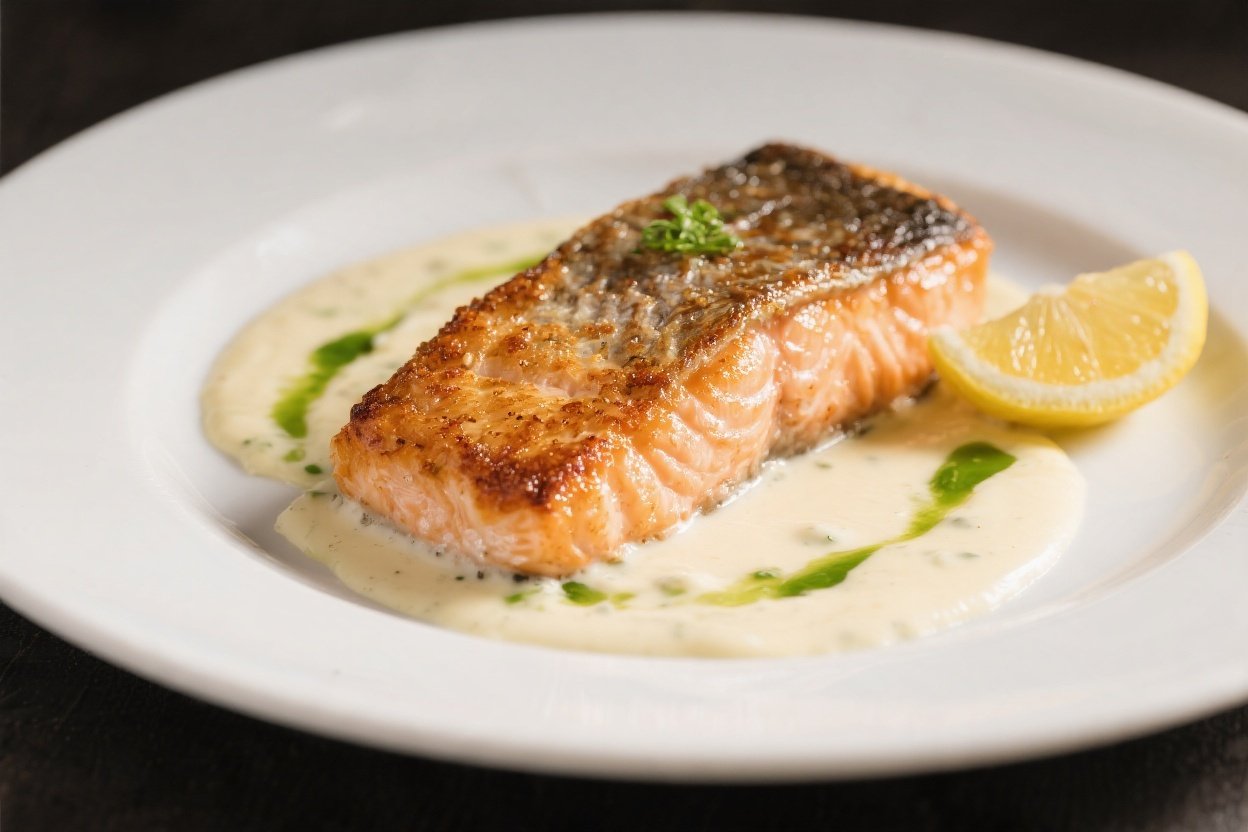
- Serve: Spoon the lemon cream sauce onto plates or a platter. Set the salmon on top, keeping the skin facing up so it stays crisp. Garnish with extra herbs and lemon zest.
What Makes This Special
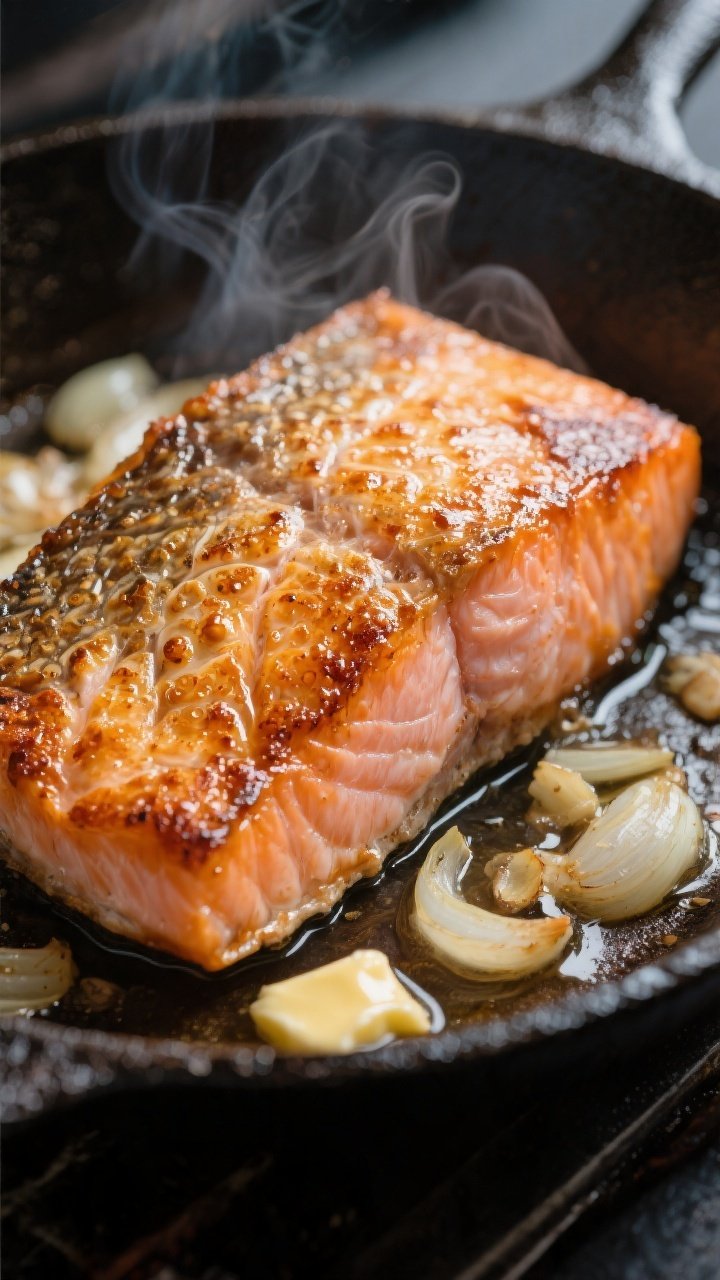
This recipe celebrates contrast: crisp skin, tender fish, and a sauce that’s both creamy and bright. The lemon balances the richness, so each bite stays light and fresh. You’ll build the sauce right in the same pan, picking up flavorful bits from searing the salmon.
Best of all, it’s weeknight-fast yet elegant enough for guests.
Shopping List
- Salmon fillets (skin-on), 4 pieces, about 5–6 oz each
- Salt and freshly ground black pepper
- Olive oil or neutral high-heat oil
- Unsalted butter, 2 tablespoons
- Garlic, 2 cloves, minced
- Shallot, 1 small, finely minced (or 2 tablespoons onion)
- Dry white wine, 1/3 cup (or low-sodium chicken broth)
- Heavy cream, 1/2 cup
- Lemon, 1 large (zest and 2–3 tablespoons juice)
- Dijon mustard, 1 teaspoon (optional, for depth)
- Fresh herbs, such as parsley, chives, or dill, 2 tablespoons chopped
- Capers, 1 tablespoon (optional, for briny pop)
How to Make It
- Prep the salmon: Pat fillets very dry, especially the skin. Dry skin is key to crispness. Season both sides with salt and pepper.
- Preheat the pan: Set a large stainless steel or cast-iron skillet over medium-high heat.
Add 1 tablespoon oil and heat until shimmering.
- Sear skin-side down: Place salmon in the pan skin-side down. Press gently with a spatula for the first 10–15 seconds so the skin stays flat and makes full contact. Don’t move it.
Cook 5–7 minutes, depending on thickness, until the skin is golden and releases easily.
- Finish the other side: Flip and cook 1–2 minutes more, just until the center turns opaque but still moist. Transfer salmon to a warm plate, skin-side up to keep it crisp.
- Build flavor in the pan: Lower heat to medium. Add butter to the same skillet.
When melted, add shallot and cook 1–2 minutes until softened. Stir in garlic for 30 seconds, just until fragrant.
- Deglaze: Pour in the wine (or broth). Scrape up browned bits with a wooden spoon.
Simmer 1–2 minutes to reduce slightly.
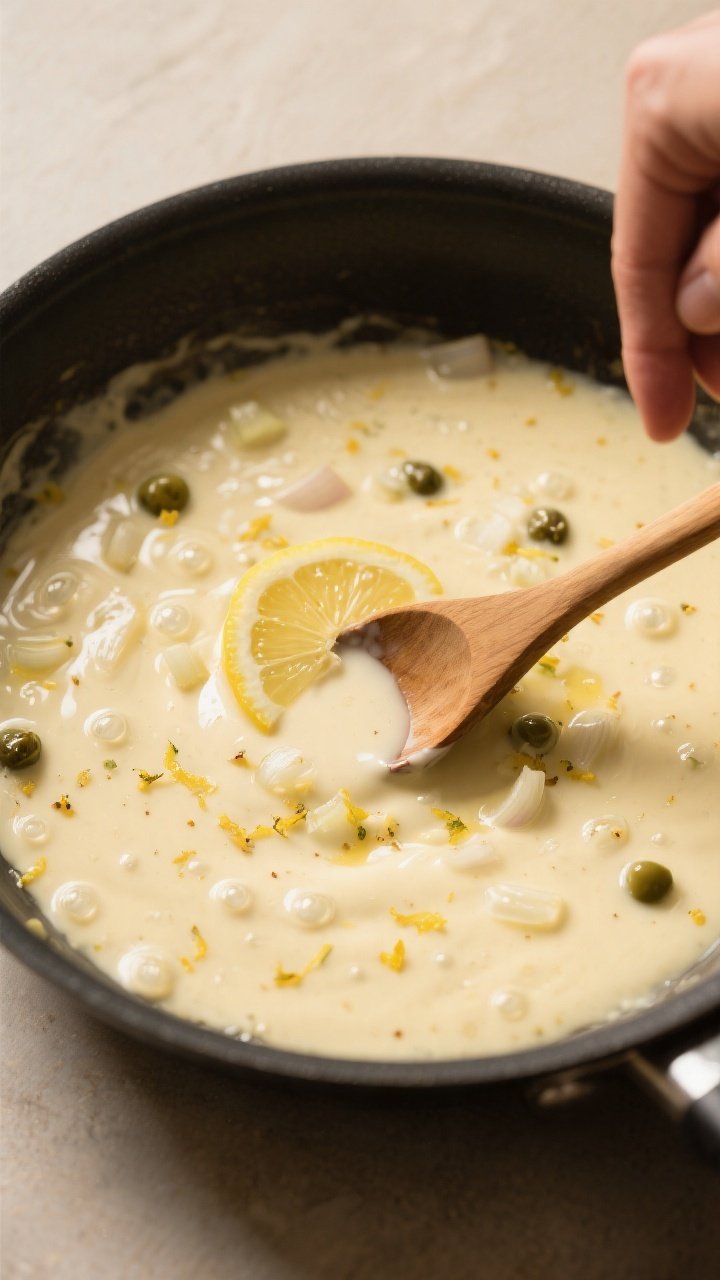
- Add cream and lemon: Stir in cream, 1 teaspoon lemon zest, and 2 tablespoons lemon juice. Add Dijon if using. Simmer gently 1–2 minutes to thicken slightly.
Taste and adjust seasoning with salt, pepper, and more lemon if you like it brighter.
- Finish the sauce: Fold in herbs and capers. Keep heat low so the sauce stays silky. If it gets too thick, loosen with a splash of water or broth.
- Serve: Spoon the lemon cream sauce onto plates or a platter.
Set the salmon on top, keeping the skin facing up so it stays crisp. Garnish with extra herbs and lemon zest.
Keeping It Fresh
For the best texture, serve salmon immediately. If you need to make ahead, cook the salmon 90% through, then finish in a hot pan for 30–60 seconds before serving.
Store leftovers in an airtight container for up to 2 days.
Reheat gently: place salmon skin-side up in a 275°F (135°C) oven for 8–10 minutes. Warm the sauce separately on low, thinning with a splash of water or broth. Avoid microwaving the salmon if you want to protect the texture of the skin.
Benefits of This Recipe
- Quick and doable: From pan to plate in under 30 minutes, with everyday ingredients.
- Balanced flavor: The lemon cuts through the richness, keeping the dish light.
- High in protein and omega-3s: Salmon brings heart-healthy fats and lasting satisfaction.
- Flexible pairing: Works with vegetables, grains, or pasta, and plays nicely with a crisp salad.
- Restaurant feel, home effort: Pan sauce technique adds polish without extra fuss.
Pitfalls to Watch Out For
- Wet skin won’t crisp: Moisture is the enemy. Pat dry thoroughly and don’t overcrowd the pan.
- Moving the fish too soon: If it sticks, it’s not ready to flip.
Let the skin release on its own.
- Boiling the cream: Keep it to a gentle simmer. Boiling can cause splitting or a greasy feel.
- Overcooking: Salmon keeps cooking off the heat. Pull it at medium or medium-rare if you like it tender.
- Too much lemon too soon: Add lemon juice after the cream is warmed to keep the sauce smooth and not overly tangy.
Recipe Variations
- Herb-forward: Swap parsley for dill and chives, and add a pinch of tarragon for a delicate anise note.
- Garlic-parmesan: Whisk 2 tablespoons finely grated Parmesan into the sauce at the end for extra savoriness.
- Caper and olive: Add sliced green olives with the capers for a briny Mediterranean twist.
- Light and bright: Replace heavy cream with half-and-half and reduce a touch longer.
For dairy-free, use full-fat coconut milk and extra lemon zest; skip the butter or use olive oil.
- Spicy lemon: Add a pinch of red pepper flakes when sautéing the garlic for a gentle kick.
- Sheet pan option: Roast salmon at 425°F (220°C) for 8–12 minutes, then crisp the skin quickly in a hot skillet before serving with the stovetop sauce.
Save time, eat healthier, and take the stress out of dinner.
Get a full week of easy healthy dinners delivered straight to your inbox.
FAQ
How do I know when the salmon is done?
Look for flesh that turns from translucent to opaque and flakes easily with a fork. For precision, aim for an internal temperature of 120–125°F (49–52°C) for medium-rare or 130°F (54°C) for medium. Pull it a couple of degrees early; carryover heat will finish the job.
Can I use skinless salmon?
Yes, but you’ll miss the crispy skin.
Sear 2–3 minutes per side, depending on thickness. Be gentle when flipping, since skinless fillets are more delicate. The sauce will still shine.
What wine works best for the sauce?
Choose a dry white like Sauvignon Blanc, Pinot Grigio, or an unoaked Chardonnay.
Avoid sweet wines, which can throw off the balance. If you don’t cook with alcohol, low-sodium chicken broth is a great substitute.
Will frozen salmon work?
Absolutely. Thaw completely in the fridge overnight and pat very dry.
Frozen salmon often releases more moisture, so take extra care drying the skin and heating the pan well.
How can I prevent the cream from curdling?
Keep the heat moderate and add lemon juice after the cream is warmed. Avoid vigorous boiling. If it tightens up, whisk in a tablespoon of water or broth to smooth it out.
What should I serve with it?
Try roasted potatoes, garlic mashed cauliflower, buttered asparagus, sautéed green beans, or lemony couscous.
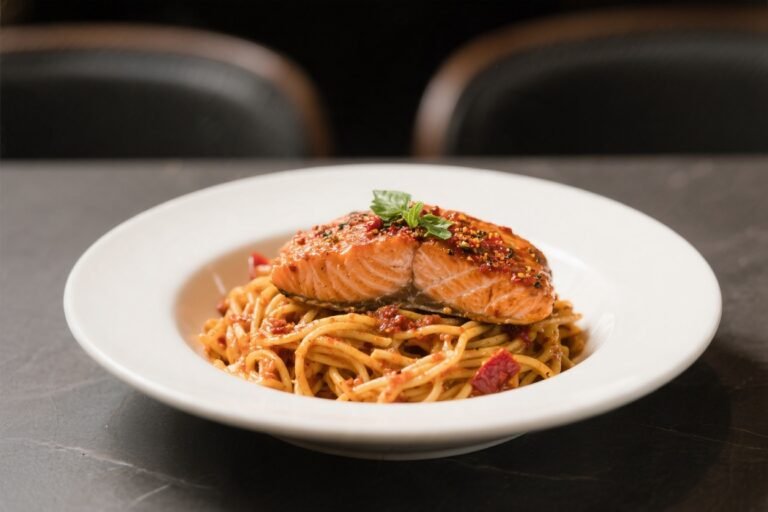
For a cozy option, toss the sauce with al dente pasta and top with the salmon.
Can I make the sauce ahead?
Yes, up to a day in advance. Reheat gently on low and thin with a splash of water or broth. Finish with fresh herbs and a touch more lemon zest to brighten it back up.
Wrapping Up
Crispy Skin Salmon with Lemon Cream Sauce is a simple technique that delivers big results.
With a hot pan, dry skin, and a quick pan sauce, you’ll have a meal that feels special any night of the week. Keep the steps straightforward, taste as you go, and let the lemon do the heavy lifting. Once you’ve nailed this version, play with herbs and add-ins to make it your own.
Printable Recipe Card
Want just the essential recipe details without scrolling through the article? Get our printable recipe card with just the ingredients and instructions.
Loved This Recipe?
If you're looking for more simple, healthy dinners your family will actually eat, grab my FREE 7-Day Easy Dinner Reset. You'll get 7 easy dinner recipes, simple grocery lists, and a done-for-you plan that takes the stress out of mealtime.