Asian Sesame Ginger Salmon – A Flavorful Weeknight Favorite
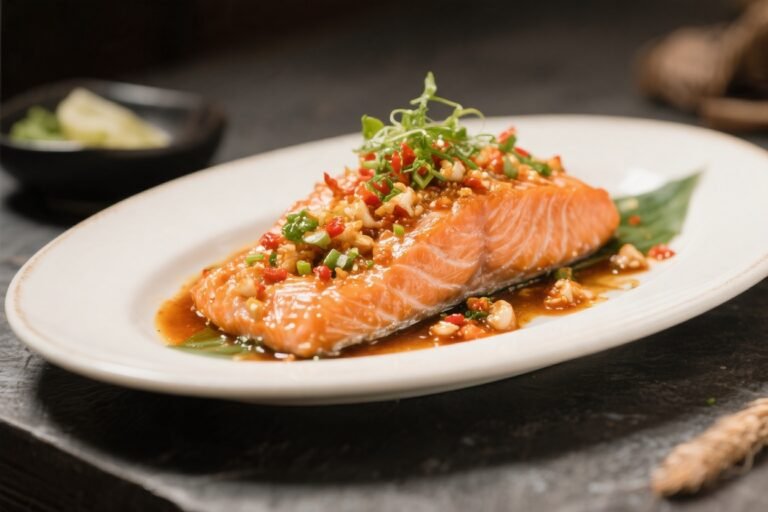
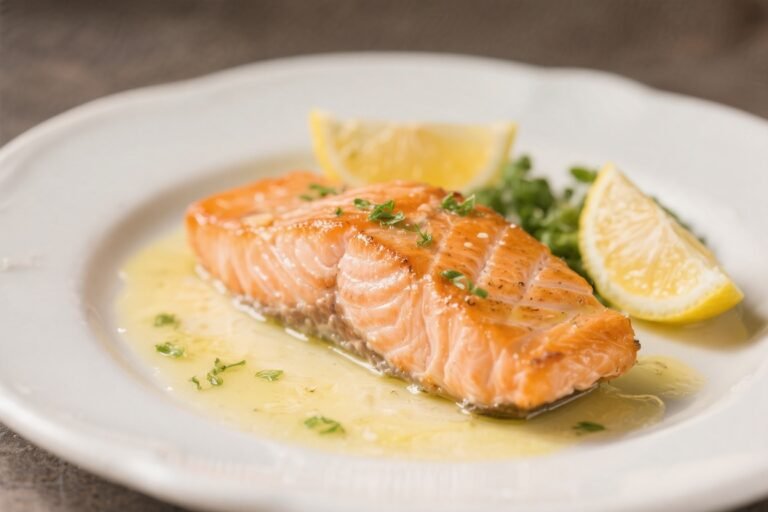
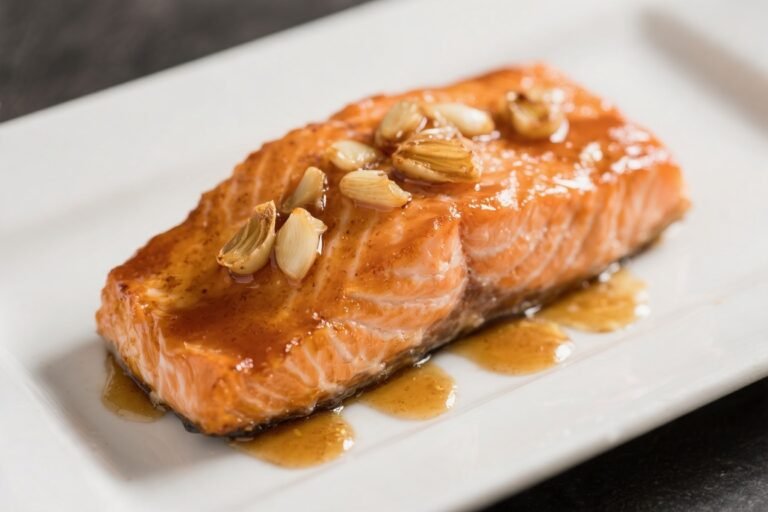
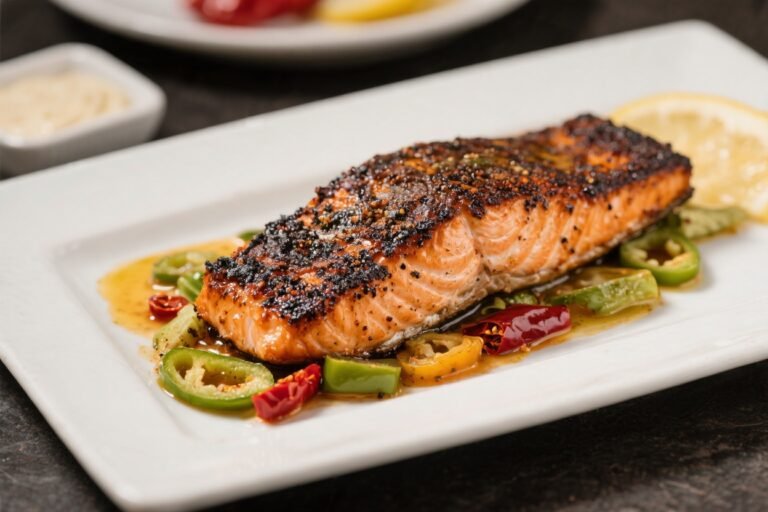
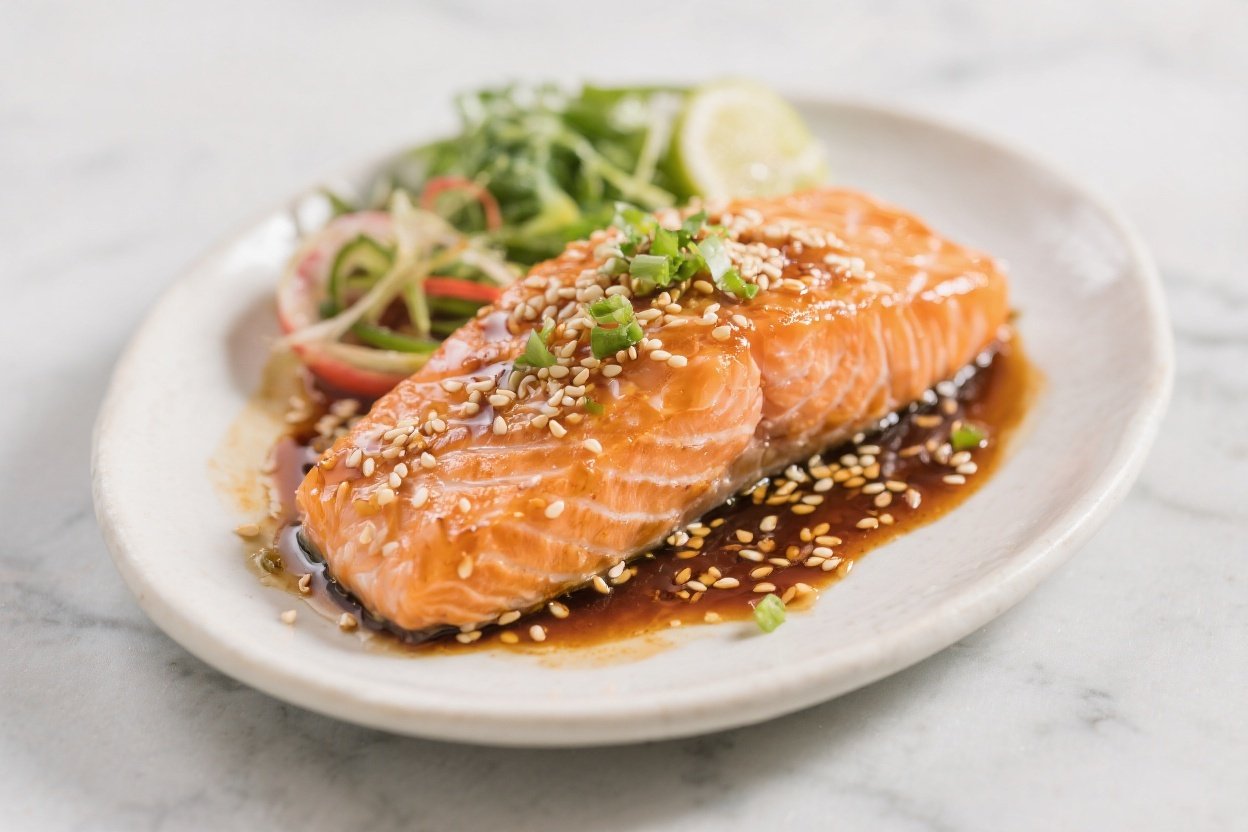
This Asian Sesame Ginger Salmon is all about big flavor with minimal effort. A simple marinade brings together soy, ginger, garlic, and toasted sesame for a glossy, savory glaze that clings to tender salmon. You can bake, broil, or pan-sear it, and it turns out beautifully every time.
Stop wondering what's for dinner.
Get 7 healthy, family-friendly dinners complete with recipes and simple meal plans delivered straight to your inbox.
Serve it over rice with quick-steamed veggies, and you’ve got a restaurant-quality meal at home. It’s fast enough for a weeknight but special enough for guests.
Ingredients
Method
- Make the marinade. In a bowl, whisk together soy sauce, rice vinegar, honey, ginger, garlic, toasted sesame oil, and sriracha (if using). Taste and adjust sweetness or saltiness as needed.
- Prep the salmon. Pat salmon dry with paper towels. This helps the glaze stick and encourages browning. If using skin-on fillets, make sure there are no pin bones.
- Marinate briefly. Place salmon in a shallow dish or zip-top bag. Pour in half the marinade and turn to coat. Reserve the other half for glazing. Marinate 15–30 minutes in the refrigerator. Don’t go much longer to avoid a mushy texture.
- Choose your cooking method. You can bake, broil, or pan-sear. Each works well: Bake: Preheat oven to 400°F (200°C). Line a sheet pan with parchment or foil. Place salmon skin-side down, brush with a little neutral oil, and bake 10–14 minutes, depending on thickness.
- Broil: Preheat broiler and position rack 6 inches from heat. Broil 6–9 minutes for 1-inch-thick fillets, watching closely to avoid burning.
- Pan-sear: Heat a skillet over medium-high with neutral oil. Cook salmon skin-side down 4–5 minutes, flip, then cook 2–4 minutes more until just cooked through.
- Glaze while cooking. Brush or spoon some of the reserved marinade over the salmon during the last few minutes of cooking to create a shiny, flavorful finish.
- Optional: thicken the sauce. For a restaurant-style glaze, simmer the remaining marinade in a small saucepan. Stir cornstarch with water to make a slurry, then whisk it into the simmering sauce until thick and glossy, 30–60 seconds.
- Check doneness. Salmon is ready when it flakes easily and the center is just turning opaque. For precision, cook to an internal temperature of 125–130°F (52–54°C) for medium and let it rest a couple of minutes.
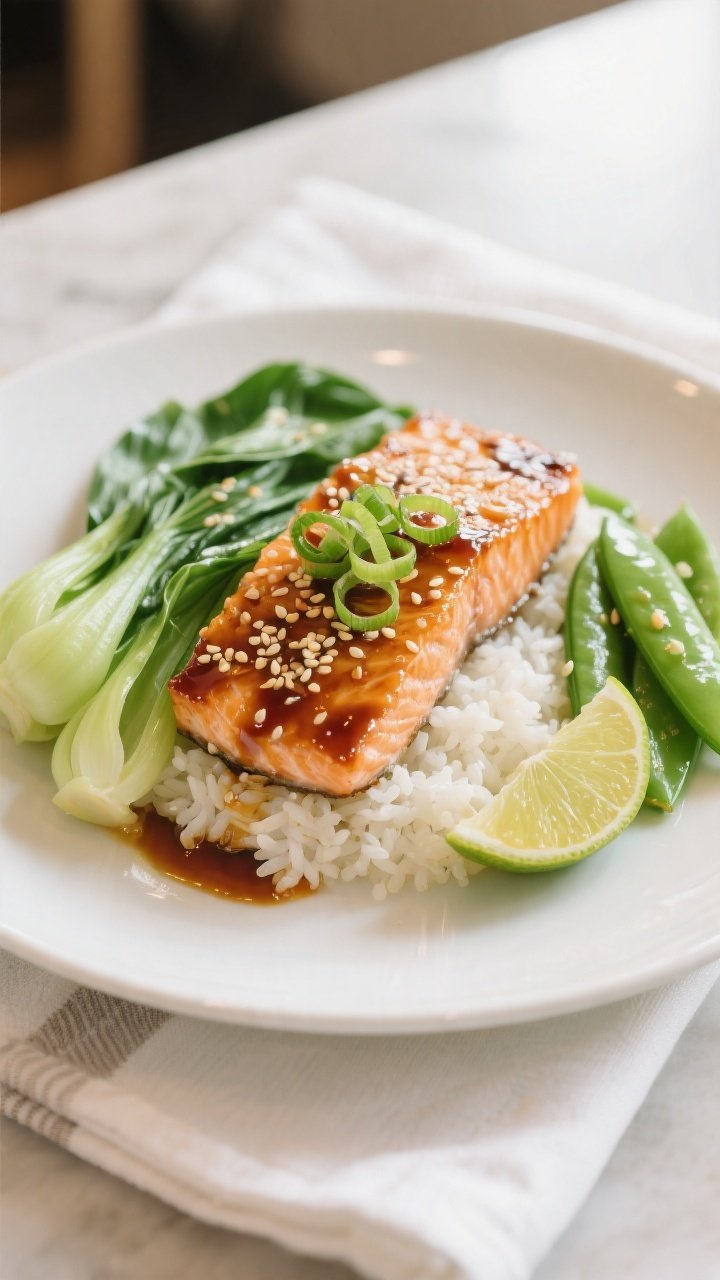
- Garnish and serve. Sprinkle with toasted sesame seeds and scallions. Add lime wedges on the side for a fresh pop of acidity. Serve with rice, quinoa, or noodles and a simple veggie like bok choy, broccoli, or snap peas.
Why This Recipe Works
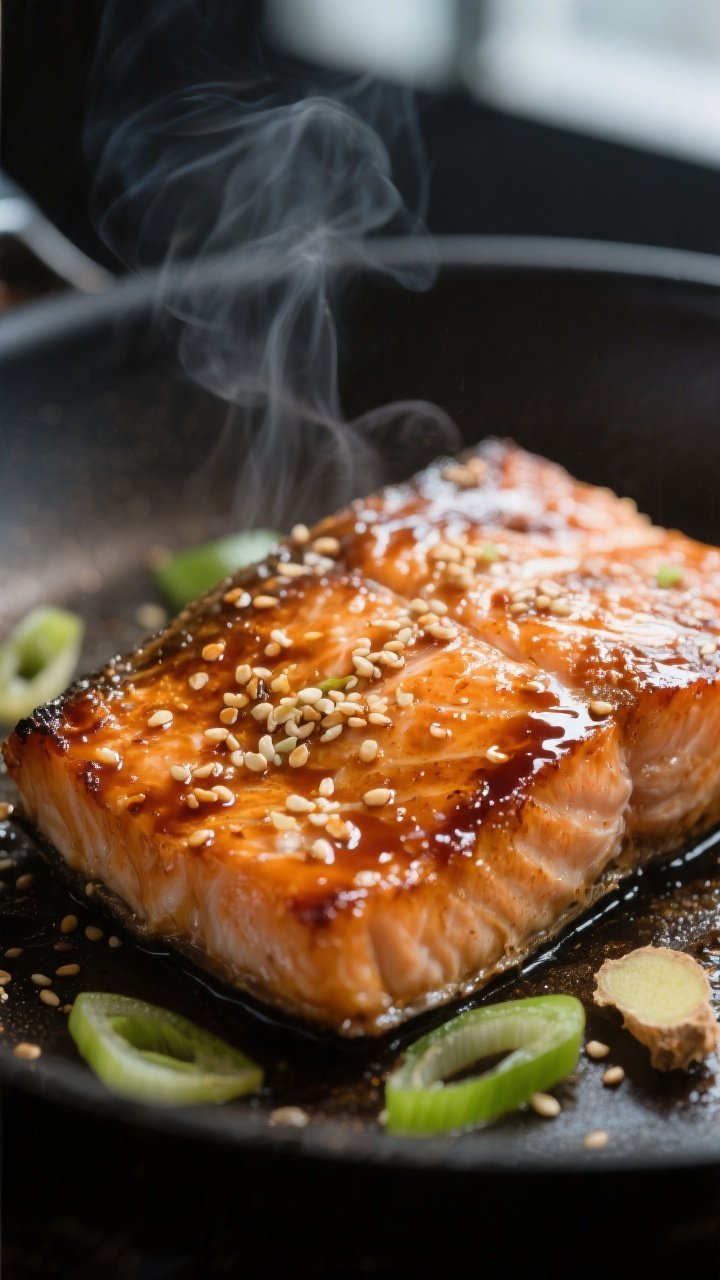
This recipe leans on a few pantry staples to build layers of flavor quickly. Fresh ginger and garlic add brightness and warmth, while soy sauce and rice vinegar create a savory, balanced base.
A touch of honey rounds out the saltiness and helps the glaze caramelize. Toasted sesame oil brings a nutty depth that makes everything taste more complex without more work. Best of all, the marinade doubles as a sauce, so you’re not making anything extra.
Ingredients
- 1.5–2 pounds salmon fillet (skin-on or skinless, cut into 4 portions)
- 3 tablespoons low-sodium soy sauce (or tamari for gluten-free)
- 1 tablespoon rice vinegar (unseasoned preferred)
- 1 tablespoon honey (or maple syrup)
- 1 tablespoon fresh ginger, finely grated
- 2 cloves garlic, minced
- 1 tablespoon toasted sesame oil
- 1 teaspoon sriracha or chili-garlic sauce (optional, for heat)
- 1 tablespoon neutral oil (avocado, canola, or grapeseed; for pan-searing or brushing)
- 1–2 teaspoons cornstarch (optional, to thicken glaze)
- 2 tablespoons water (for slurry, if using cornstarch)
- 2 teaspoons toasted sesame seeds (for garnish)
- 2 scallions, thinly sliced (for garnish)
- Lime wedges (optional, for serving)
Step-by-Step Instructions
- Make the marinade. In a bowl, whisk together soy sauce, rice vinegar, honey, ginger, garlic, toasted sesame oil, and sriracha (if using).
Taste and adjust sweetness or saltiness as needed.
- Prep the salmon. Pat salmon dry with paper towels. This helps the glaze stick and encourages browning. If using skin-on fillets, make sure there are no pin bones.
- Marinate briefly. Place salmon in a shallow dish or zip-top bag.
Pour in half the marinade and turn to coat. Reserve the other half for glazing. Marinate 15–30 minutes in the refrigerator.
Don’t go much longer to avoid a mushy texture.
- Choose your cooking method. You can bake, broil, or pan-sear. Each works well:
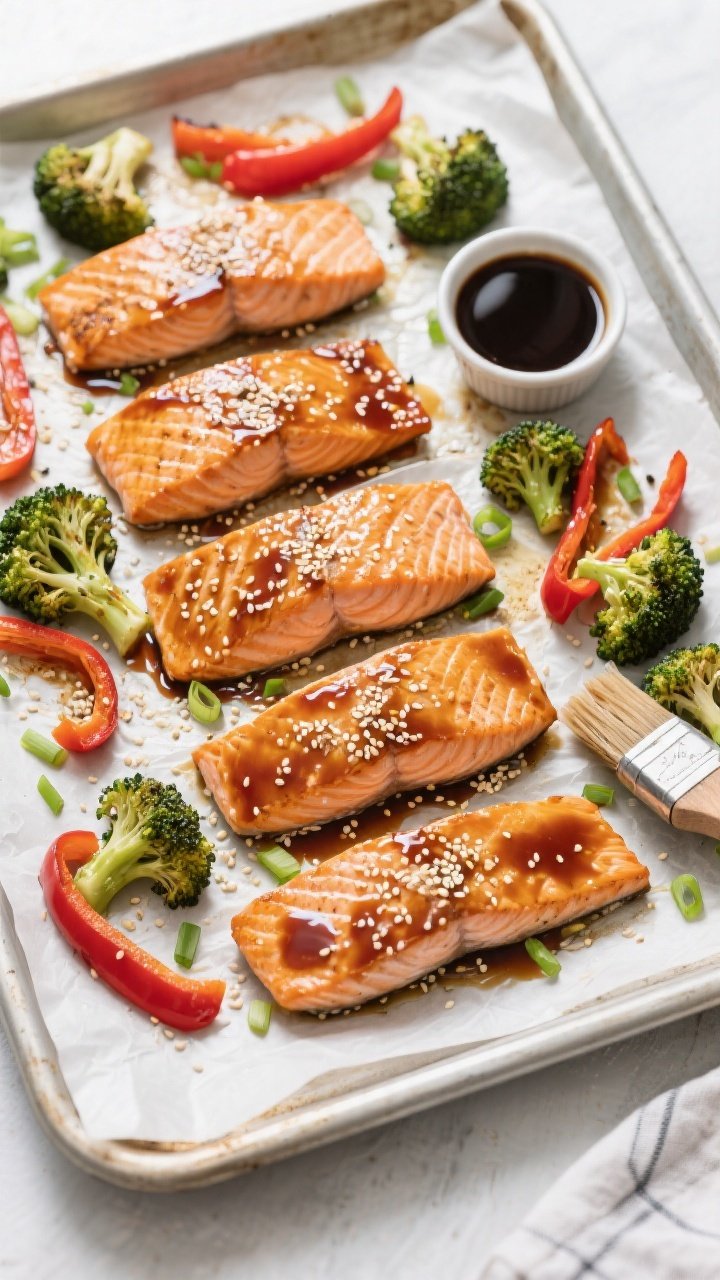
- Bake: Preheat oven to 400°F (200°C). Line a sheet pan with parchment or foil.
Place salmon skin-side down, brush with a little neutral oil, and bake 10–14 minutes, depending on thickness.
- Broil: Preheat broiler and position rack 6 inches from heat. Broil 6–9 minutes for 1-inch-thick fillets, watching closely to avoid burning.
- Pan-sear: Heat a skillet over medium-high with neutral oil. Cook salmon skin-side down 4–5 minutes, flip, then cook 2–4 minutes more until just cooked through.
- Bake: Preheat oven to 400°F (200°C). Line a sheet pan with parchment or foil.
- Glaze while cooking. Brush or spoon some of the reserved marinade over the salmon during the last few minutes of cooking to create a shiny, flavorful finish.
- Optional: thicken the sauce. For a restaurant-style glaze, simmer the remaining marinade in a small saucepan.
Stir cornstarch with water to make a slurry, then whisk it into the simmering sauce until thick and glossy, 30–60 seconds.
- Check doneness. Salmon is ready when it flakes easily and the center is just turning opaque. For precision, cook to an internal temperature of 125–130°F (52–54°C) for medium and let it rest a couple of minutes.
- Garnish and serve. Sprinkle with toasted sesame seeds and scallions. Add lime wedges on the side for a fresh pop of acidity.
Serve with rice, quinoa, or noodles and a simple veggie like bok choy, broccoli, or snap peas.
Storage Instructions
- Refrigerate: Cool completely, then store in an airtight container for up to 3 days.
- Reheat gently: Warm in a 275°F (135°C) oven for 8–10 minutes, or microwave at 50% power in short bursts to avoid drying out.
- Enjoy cold: Flake leftover salmon over rice bowls, salads, or soba noodles for an easy next-day meal.
- Do not freeze glazed leftovers: The texture and glaze can turn watery. If you must freeze, do so before glazing and cool completely first.
Health Benefits
Salmon is rich in omega-3 fatty acids, which support heart health and brain function. It’s also a great source of high-quality protein that keeps you satisfied and helps maintain muscle.
Ginger and garlic bring antioxidant and anti-inflammatory compounds, while sesame oil adds vitamin E and healthy fats. Using low-sodium soy sauce and a modest amount of honey keeps the overall profile balanced and nutrient-forward.
What Not to Do
- Don’t over-marinate. More than 30 minutes can start to break down the fish, leading to a mealy texture.
- Don’t skip drying the fillets. Moisture prevents browning and makes it harder for the glaze to cling.
- Don’t overcook. Dry salmon is the most common mistake. Pull it a bit early and let carryover heat finish the job.
- Don’t boil the marinade with raw fish juices unless you simmer it thoroughly. If using leftover marinade as sauce, bring it to a vigorous simmer for at least 1 minute or thicken it separately before brushing.
- Don’t crowd the pan. Give each piece space so steam doesn’t build up and prevent caramelization.
Recipe Variations
Save time, eat healthier, and take the stress out of dinner.
Get a full week of easy healthy dinners delivered straight to your inbox.
- Air fryer version: Cook at 390°F (200°C) for 7–10 minutes depending on thickness, brushing with glaze halfway through.
- Miso twist: Whisk 1 tablespoon white miso into the marinade for an extra-savory, slightly creamy glaze.
- Citrus sesame: Add 1–2 teaspoons orange zest and a squeeze of orange juice for a bright, zippy finish.
- Gochujang heat: Swap sriracha for 1 teaspoon gochujang for deeper, smoky spice.
- No-sugar option: Replace honey with a few drops of liquid stevia or skip sweetener and add 1–2 teaspoons mirin for a gentler sweetness.
- Grilled salmon: Oil grates well and grill over medium heat, 4–5 minutes per side.
Brush with glaze in the last minute to avoid flare-ups.
- Sheet pan dinner: Add broccoli florets, sliced bell peppers, or snap peas to the pan. Toss veggies with a little oil and salt, then roast alongside the salmon for a complete meal.
FAQ
Can I use frozen salmon?
Yes. Thaw it overnight in the fridge or under cold running water in its packaging.
Pat very dry before marinating so the glaze doesn’t get diluted.
What can I substitute for soy sauce?
Use tamari for gluten-free or coconut aminos for a lower-sodium, slightly sweeter option. If using coconut aminos, reduce the honey a bit since it’s naturally sweeter.
How do I know when the salmon is done without a thermometer?
Press the top gently with a fork. If it flakes easily and the center has just turned opaque but still moist, it’s done.
It should not look dry or chalky.
Can I make this ahead?
Mix the marinade up to 3 days in advance and store it in the fridge. Marinate the salmon no more than 30 minutes before cooking to keep the texture firm.
Is skin-on or skinless better for this recipe?
Either works. Skin-on helps keep the fish moist and makes pan-searing easier.
If you prefer skinless, be gentle when flipping and use parchment to prevent sticking.
What sides pair well with this salmon?
Steamed rice, coconut rice, quinoa, soba noodles, or cauliflower rice are all great. For vegetables, try roasted broccoli, sautéed bok choy, cucumber salad, or blistered green beans.
Can I use this marinade on other proteins?
Absolutely. It’s great on shrimp, chicken thighs, tofu, or tempeh.
Adjust cooking times and be sure to simmer any marinade that touched raw protein before using it as a sauce.
In Conclusion
Asian Sesame Ginger Salmon is a fast, reliable recipe that tastes like you put in way more effort than you did. The combo of soy, ginger, garlic, and sesame makes a glossy, savory glaze that flatters tender salmon without overpowering it. Keep the steps simple, watch the cook time, and finish with a sprinkle of sesame and scallions.
With a pot of rice and a quick veggie, dinner is done—and it’s delicious.
Printable Recipe Card
Want just the essential recipe details without scrolling through the article? Get our printable recipe card with just the ingredients and instructions.
Loved This Recipe?
If you're looking for more simple, healthy dinners your family will actually eat, grab my FREE 7-Day Easy Dinner Reset. You'll get 7 easy dinner recipes, simple grocery lists, and a done-for-you plan that takes the stress out of mealtime.