Garlic Parmesan Crusted Salmon – Crispy, Juicy, and Weeknight Easy
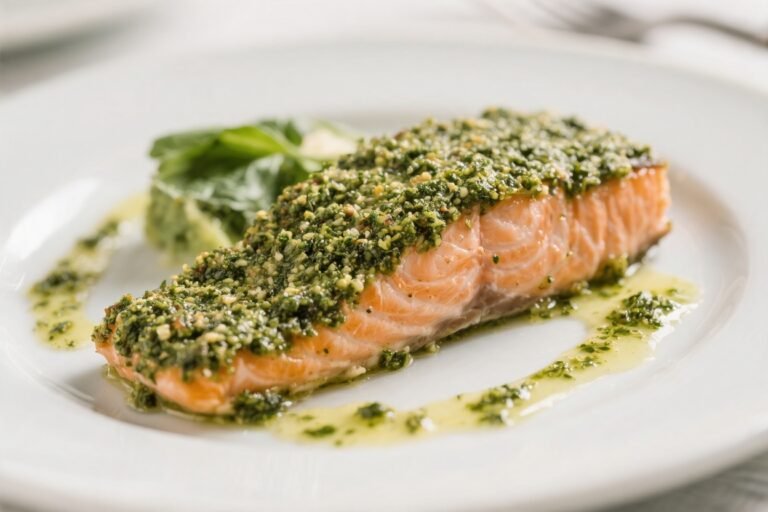
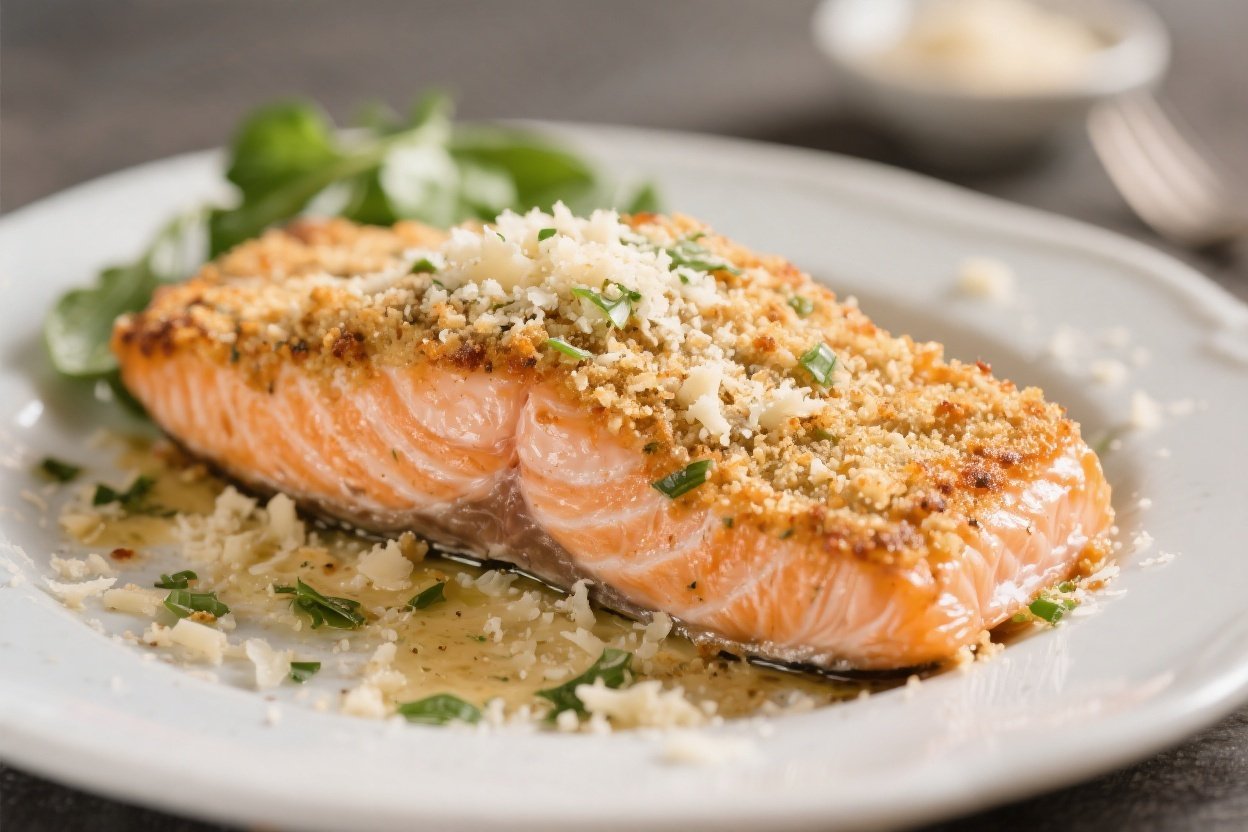
This Garlic Parmesan Crusted Salmon hits all the right notes: golden, crunchy topping on the outside, tender and flaky salmon inside. It feels special but cooks fast enough for a busy weeknight. The flavors are bright, savory, and comforting without being heavy.
Stop wondering what's for dinner.
Get 7 healthy, family-friendly dinners complete with recipes and simple meal plans delivered straight to your inbox.
You get a little garlic bite, buttery crumbs, and a squeeze of lemon to tie it all together. It’s the kind of dish that makes the table go quiet for a minute—then everyone asks for seconds.
Ingredients
Method
- Preheat and prep. Heat your oven to 425°F (220°C). Line a sheet pan with parchment paper or lightly oil it. Pat the salmon dry with paper towels so the crust adheres well.
- Season the salmon. Place fillets on the pan, skin-side down if using skin-on. Sprinkle with salt and black pepper. Drizzle a little olive oil over the top.
- Make the crust. In a bowl, mix Parmesan, panko, minced garlic, lemon zest, parsley, and a pinch of salt and pepper. Stir in mayonnaise (or Greek yogurt), plus a drizzle of olive oil. The mixture should be slightly moist and clumpy, not dry.
- Spread and press. Spoon the mixture evenly over each fillet. Use the back of the spoon or your fingers to gently press it into a uniform layer. Aim for about 1/4-inch thick.
- Bake. Roast for 10–12 minutes for 1-inch-thick fillets. Thicker pieces may need 2–3 more minutes. The crust should be golden and the salmon should flake easily with a fork.
- Optional broil. If the crust isn’t browned, switch to broil for 1–2 minutes. Watch closely to avoid burning.
- Rest and finish. Let the salmon sit for 2 minutes. Serve with lemon wedges and an extra sprinkle of parsley.
Why This Recipe Works
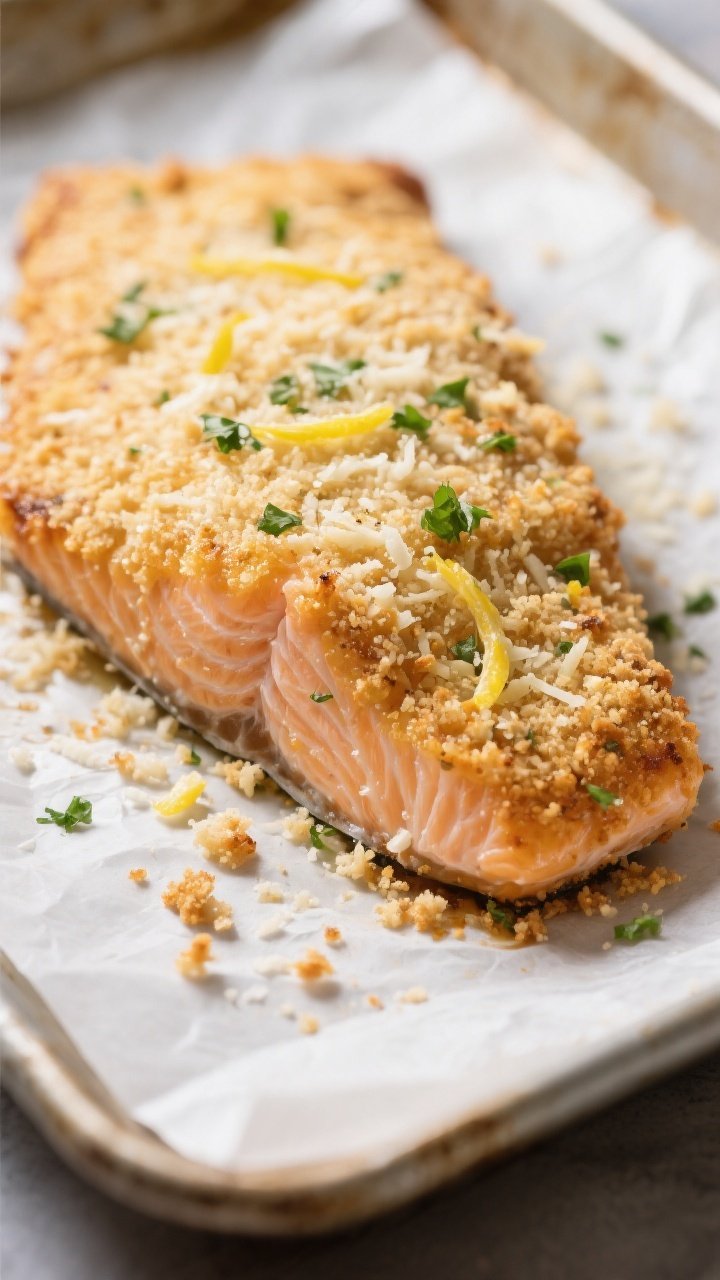
This recipe balances texture and flavor in a simple way. The Parmesan and breadcrumbs form a crisp, savory crust that protects the salmon from overcooking, keeping it juicy.
A touch of mayonnaise or Greek yogurt helps the topping stick and adds moisture without tasting heavy. Garlic, lemon zest, and parsley brighten everything, cutting through the richness so each bite stays fresh.
What You’ll Need
- Salmon fillets (4 pieces, about 6 oz each), skin-on or skinless
- Grated Parmesan cheese (about 1/2 cup), finely grated
- Panko breadcrumbs (1/2 cup) or regular breadcrumbs
- Garlic (2–3 cloves), finely minced
- Mayonnaise or Greek yogurt (2 tablespoons)
- Olive oil (1–2 tablespoons)
- Lemon zest (from 1 lemon) and lemon wedges for serving
- Fresh parsley (2 tablespoons), chopped
- Salt and black pepper to taste
- Optional: a pinch of red pepper flakes for heat, or a teaspoon of Dijon mustard for tang
Step-by-Step Instructions
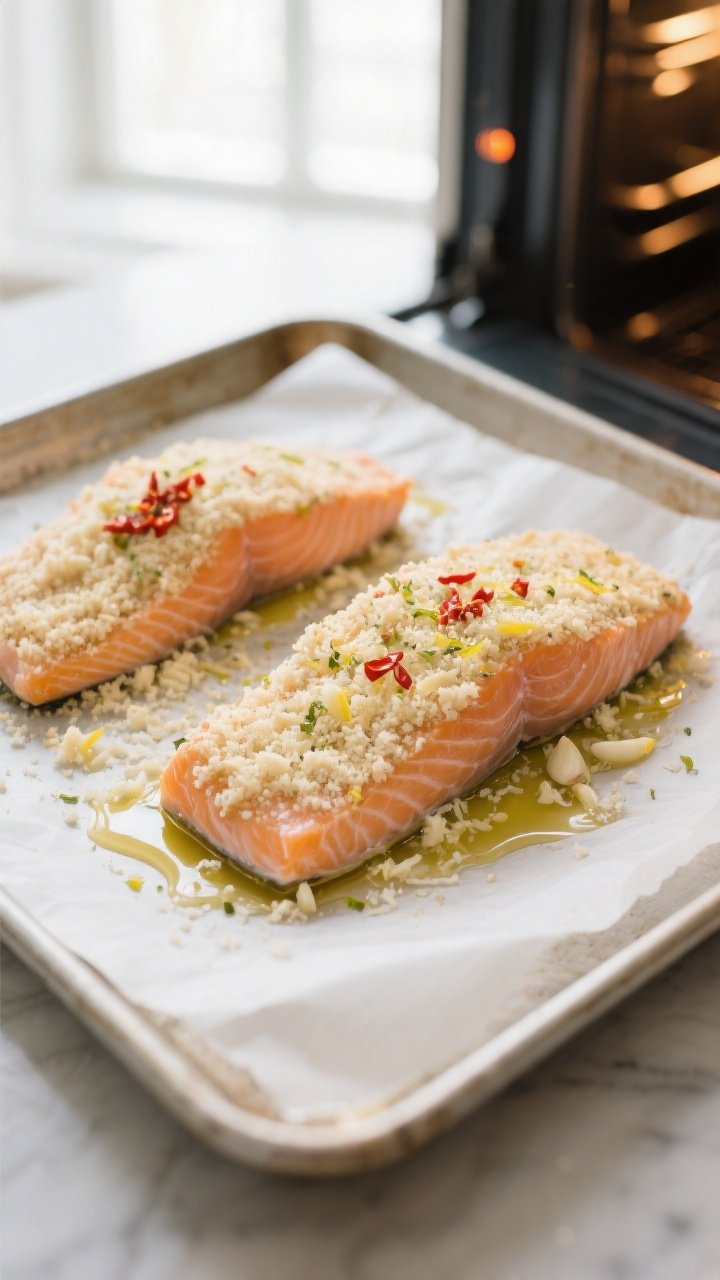
- Preheat and prep. Heat your oven to 425°F (220°C). Line a sheet pan with parchment paper or lightly oil it.
Pat the salmon dry with paper towels so the crust adheres well.
- Season the salmon. Place fillets on the pan, skin-side down if using skin-on. Sprinkle with salt and black pepper. Drizzle a little olive oil over the top.
- Make the crust. In a bowl, mix Parmesan, panko, minced garlic, lemon zest, parsley, and a pinch of salt and pepper.
Stir in mayonnaise (or Greek yogurt), plus a drizzle of olive oil. The mixture should be slightly moist and clumpy, not dry.
- Spread and press. Spoon the mixture evenly over each fillet. Use the back of the spoon or your fingers to gently press it into a uniform layer.
Aim for about 1/4-inch thick.
- Bake. Roast for 10–12 minutes for 1-inch-thick fillets. Thicker pieces may need 2–3 more minutes. The crust should be golden and the salmon should flake easily with a fork.
- Optional broil. If the crust isn’t browned, switch to broil for 1–2 minutes.
Watch closely to avoid burning.
- Rest and finish. Let the salmon sit for 2 minutes. Serve with lemon wedges and an extra sprinkle of parsley.
Storage Instructions
Cool leftovers to room temperature, then store in an airtight container in the fridge for up to 3 days. Reheat gently in a 300°F (150°C) oven for 8–10 minutes to keep the fish from drying out.
You can also flake leftover salmon cold over salads or tuck it into a grain bowl. Avoid microwaving on high—use low power if needed, and heat just until warm.
Why This is Good for You
Salmon is rich in omega-3 fatty acids, which support heart, brain, and joint health. It’s also packed with high-quality protein and B vitamins.
The Parmesan crust delivers flavor, so you don’t need heavy sauces or lots of butter. Lemon, garlic, and herbs add antioxidants and brightness that make the dish feel lighter.
What Not to Do
- Don’t skip drying the fish. Moisture prevents the crust from sticking and crisping.
- Don’t make the crust too thick. Overloading it can cause uneven cooking and sogginess.
- Don’t overbake. Salmon turns dry fast. Pull it when it flakes easily or reaches about 125–130°F in the center for medium.
- Don’t use pre-shredded Parmesan with fillers. Finely grated real Parmesan melts and crisps better.
- Don’t forget acid. A squeeze of lemon at the end balances richness.
Recipe Variations
- Herb Swap: Try dill, chives, or basil instead of parsley.
A mix of parsley and dill is especially good with salmon.
- Almond Crunch: Replace half the breadcrumbs with finely chopped almonds for extra nuttiness and crunch.
- Spicy Kick: Add red pepper flakes or a teaspoon of harissa or Calabrian chili paste to the crust.
- Lemon-Dijon: Stir a teaspoon of Dijon mustard into the mayonnaise/yogurt for more tang.
- Gluten-Free: Use gluten-free panko or crushed pork rinds in place of breadcrumbs.
- Air Fryer: Cook at 390°F (200°C) for 8–10 minutes, checking early. Great for extra-crispy crust.
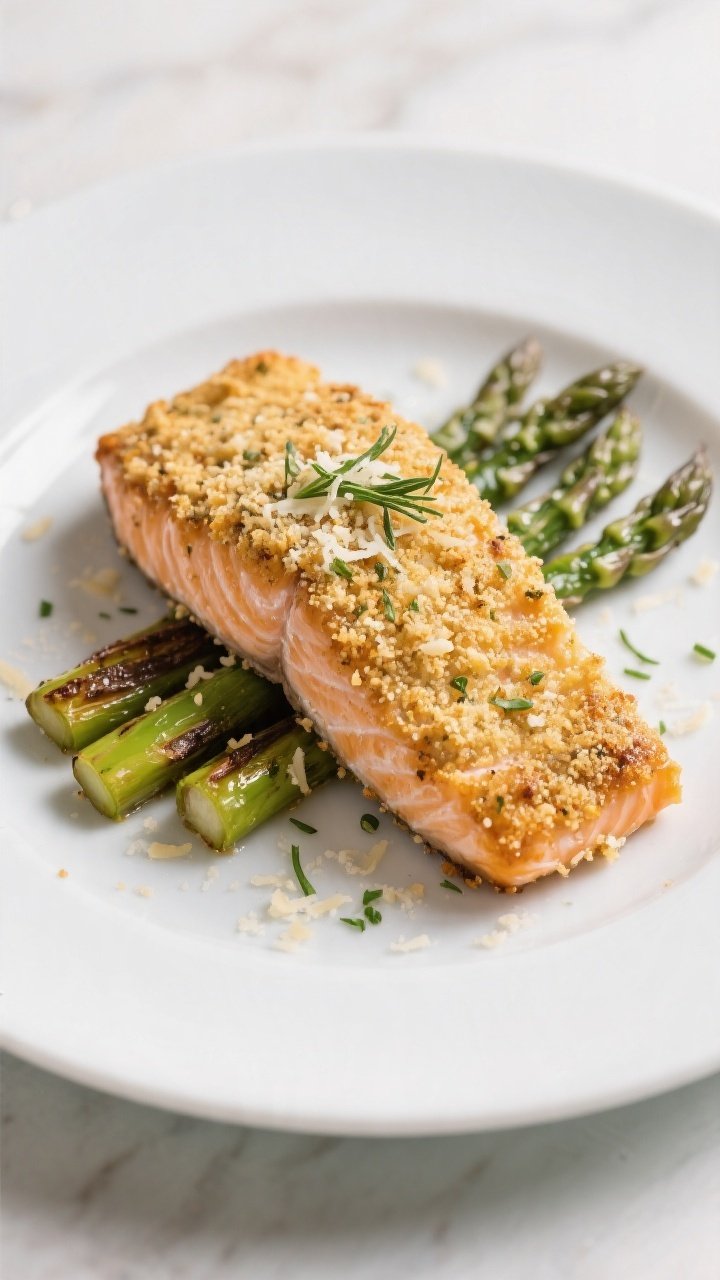
- Sheet-Pan Dinner: Add asparagus, cherry tomatoes, or thin potato slices to the pan. Toss with olive oil, salt, and pepper.
Start potatoes first if thick.
FAQ
Save time, eat healthier, and take the stress out of dinner.
Get a full week of easy healthy dinners delivered straight to your inbox.
Can I use frozen salmon?
Yes. Thaw it fully in the fridge overnight or under cold running water in sealed packaging. Pat dry very well before adding the crust so it sticks and crisps.
What type of salmon is best?
Any works.
Atlantic farmed salmon is richer and stays moist; wild salmon (like sockeye) is leaner and cooks faster. Adjust time so wild salmon doesn’t overcook.
Can I make this dairy-free?
Yes. Use a dairy-free Parmesan-style cheese or skip the cheese and add extra seasoned breadcrumbs with nutritional yeast for a savory boost.
How do I know when it’s done?
The fish should flake easily with a fork and look slightly translucent in the very center.
An instant-read thermometer should read about 125–130°F for medium.
What sides go well with this?
Try roasted asparagus, lemony green beans, a simple arugula salad, garlicky broccoli, or a quinoa pilaf. Mashed or roasted potatoes also pair nicely.
Can I prepare it ahead?
You can mix the crust up to 24 hours ahead and refrigerate it. Wait to top the salmon until right before baking to keep the crust crisp.
Is mayonnaise necessary?
No.
Greek yogurt works well and adds a gentle tang. You can also use a little softened butter or olive oil, but the mixture should still be slightly moist.
Should I remove the skin?
Either way works. Skin-on helps keep moisture in and makes it easy to lift the fillet after baking.
If you go skinless, oil the pan well to prevent sticking.
In Conclusion
Garlic Parmesan Crusted Salmon is a fast, reliable way to put a flavorful, satisfying meal on the table. The crispy topping protects the fish, so you get tender, juicy salmon with minimal fuss. Keep lemons on hand, don’t overbake, and you’ll have a go-to recipe that works for weeknights and dinner guests alike.
Simple ingredients, big payoff—every time.
Printable Recipe Card
Want just the essential recipe details without scrolling through the article? Get our printable recipe card with just the ingredients and instructions.
Loved This Recipe?
If you're looking for more simple, healthy dinners your family will actually eat, grab my FREE 7-Day Easy Dinner Reset. You'll get 7 easy dinner recipes, simple grocery lists, and a done-for-you plan that takes the stress out of mealtime.