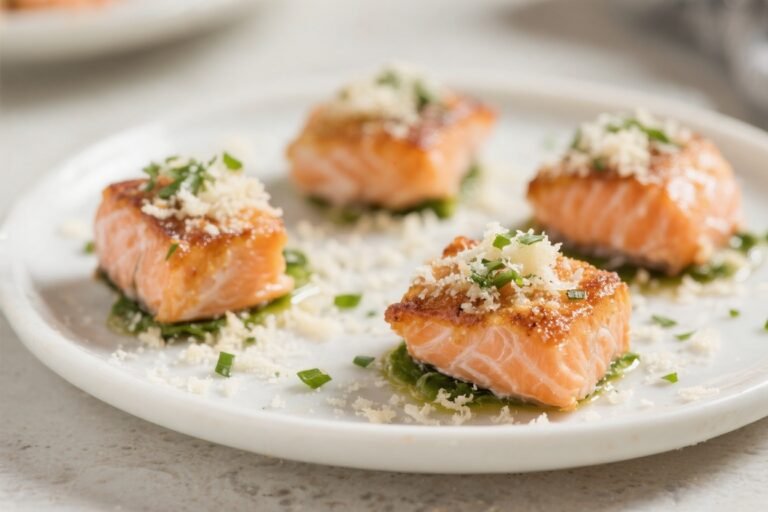
Spicy Cajun Salmon Pasta – Creamy, Bold, and Weeknight-Friendly
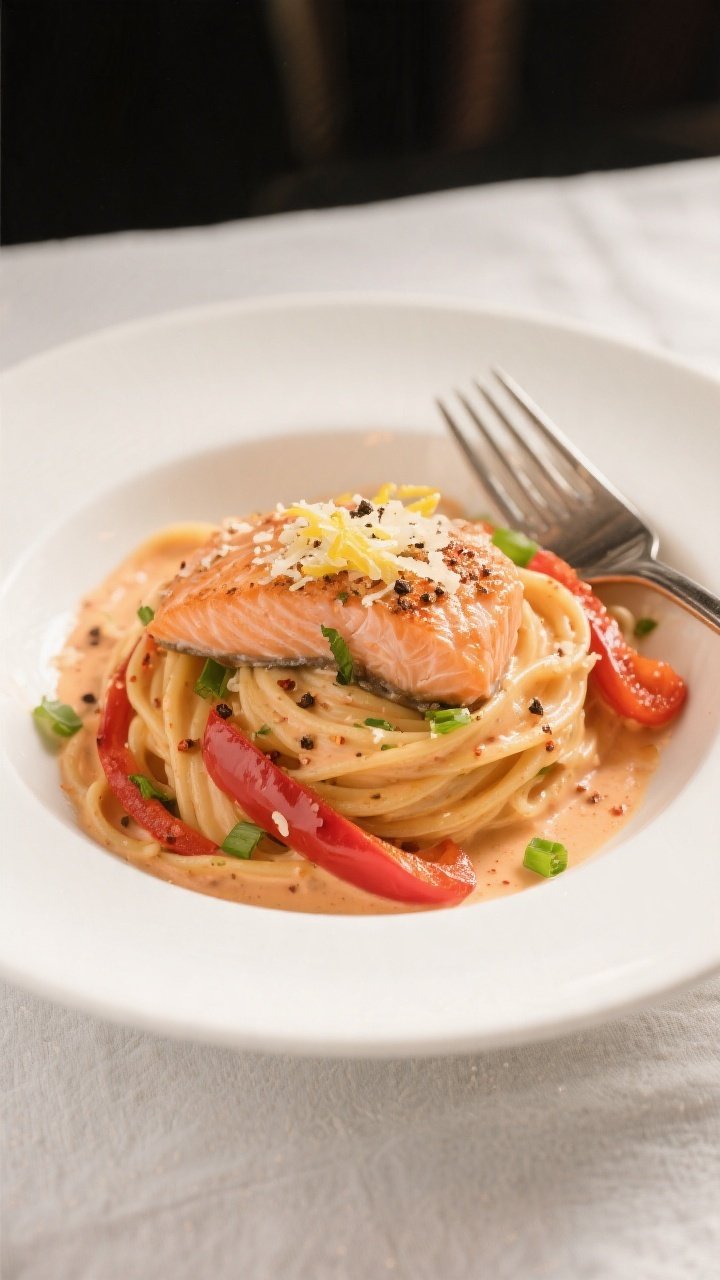
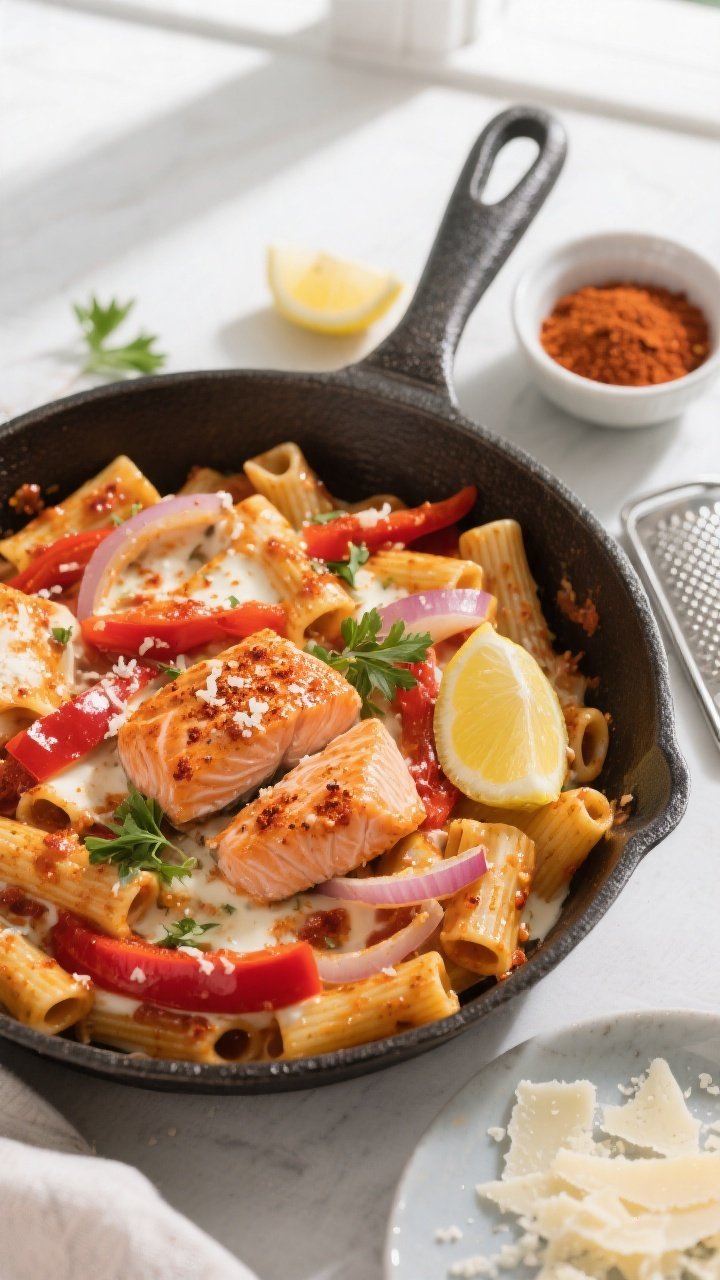
A bowl of creamy pasta with tender, flaky salmon and a kick of Cajun spice hits the spot any night of the week. This dish brings restaurant-style flavor to your table without a lot of fuss. The sauce is rich and silky, the salmon is pan-seared for a crispy edge, and the Cajun seasoning ties it all together with warmth and heat.
Stop wondering what's for dinner.
Get 7 healthy, family-friendly dinners complete with recipes and simple meal plans delivered straight to your inbox.
It’s satisfying, quick to make, and easy to customize. If you want big flavor with minimal effort, this is your new go-to.
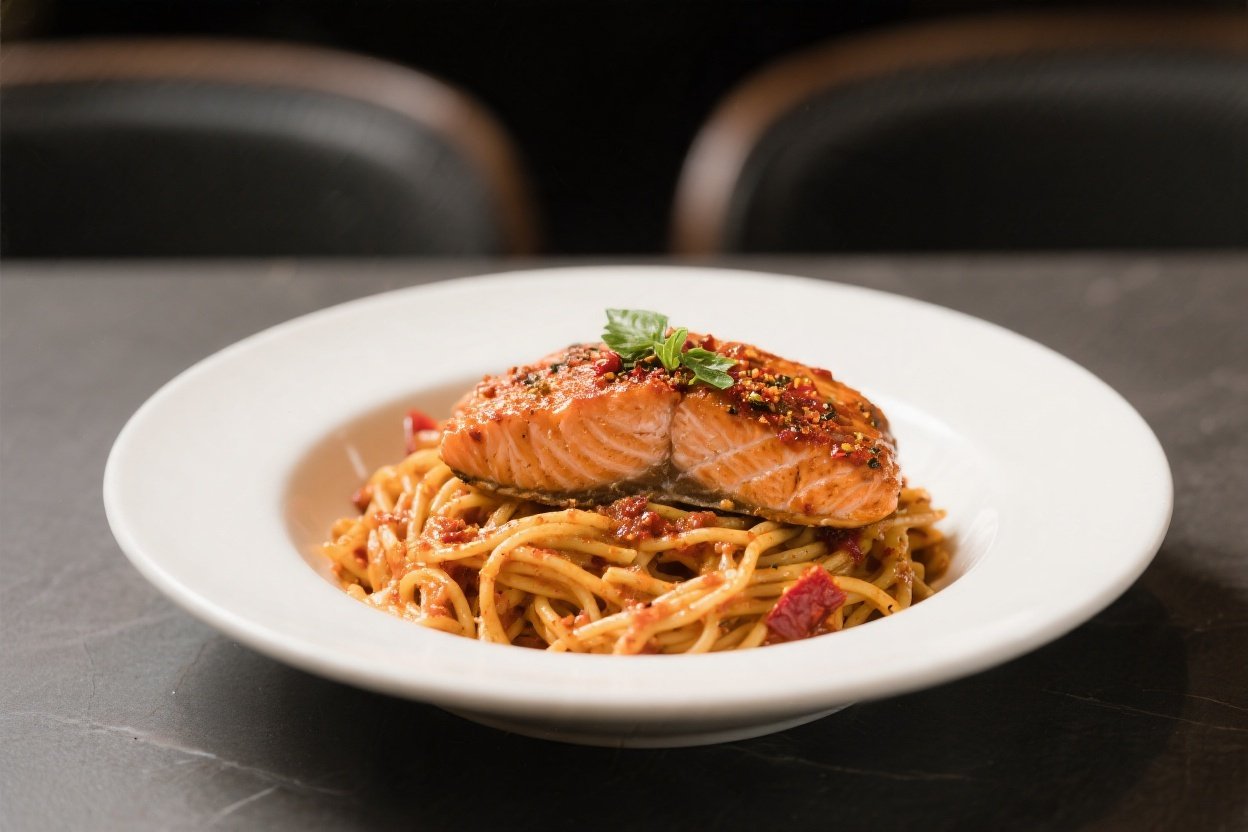
Ingredients
Method
- Boil the pasta: Bring a large pot of salted water to a boil. Cook pasta to al dente according to package instructions. Reserve 1/2 cup of pasta water, then drain.
- Season the salmon: Pat salmon dry. Sprinkle with 1–1.5 tbsp Cajun seasoning, a pinch of salt, and black pepper. If using smoked paprika, add a light dusting for extra flavor.
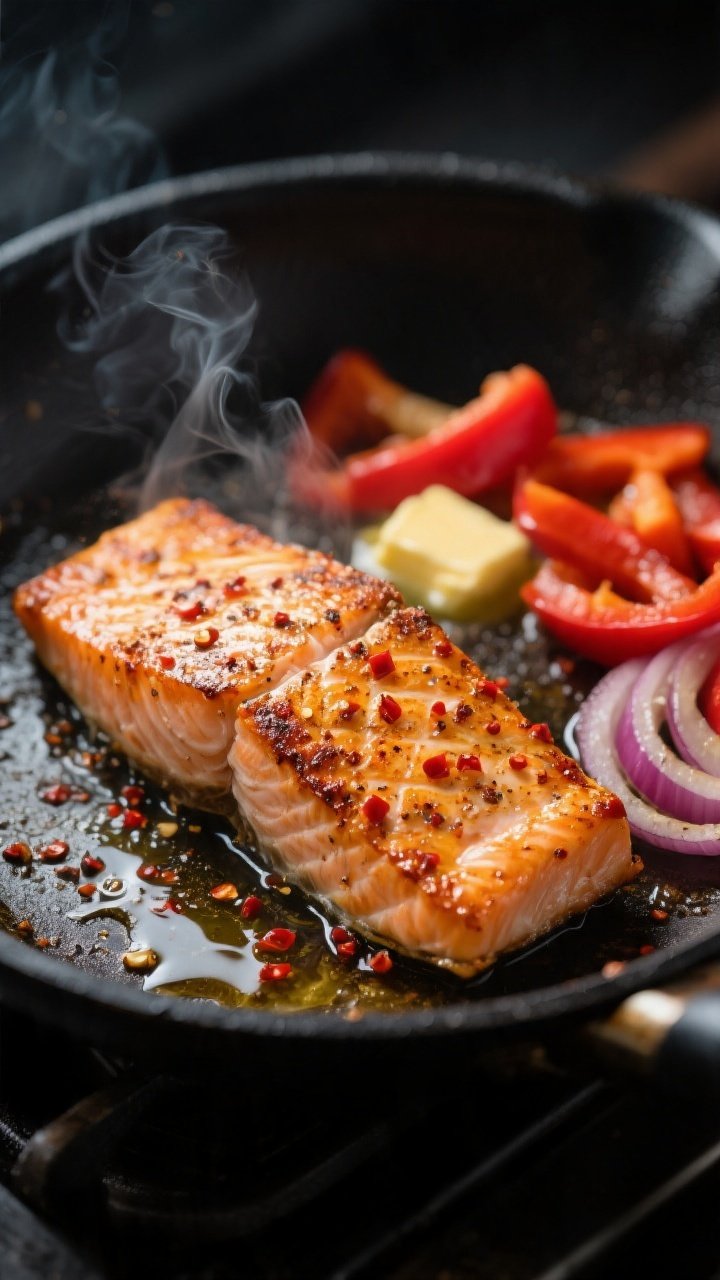
- Sear the salmon: Heat olive oil in a large skillet over medium-high. Add salmon and cook 3–4 minutes per side, depending on thickness, until just cooked through and flaky. Transfer to a plate and tent with foil.
- Sauté the aromatics: Reduce heat to medium. Add butter to the skillet. Stir in onion and red bell pepper. Cook 3–4 minutes until softened. Add garlic and cook 30 seconds until fragrant.
- Deglaze the pan: Pour in white wine or broth, scraping up browned bits. Let it simmer for 1–2 minutes to reduce slightly.
- Build the sauce: Stir in heavy cream, remaining Cajun seasoning (start with 1 tbsp), and red pepper flakes if you like it spicier. Simmer gently 2–3 minutes until slightly thickened.
- Add the cheese and lemon: Lower heat and whisk in Parmesan until smooth. Add lemon zest and a squeeze of lemon juice. Taste and adjust salt, pepper, and seasoning.
- Combine with pasta: Toss the drained pasta into the sauce. If it’s too thick, loosen with a splash of reserved pasta water until glossy and well-coated.
- Flake the salmon: Gently break the salmon into large chunks. Fold into the pasta just until distributed. Avoid over-stirring so the pieces stay intact.
- Finish and serve: Top with chopped parsley or green onions. Add a final sprinkle of Parmesan and a crack of black pepper. Serve warm with lemon wedges if you want extra brightness.
Why This Recipe Works
- Balanced heat and creaminess: The Cajun spice blend adds punch, while cream and butter soften the edges so every bite tastes bold but not overwhelming.
- Textural contrast: Seared salmon gives tender flakes with crisp edges that play nicely against silky sauce and al dente pasta.
- Smart, layered seasoning: Seasoning the salmon and the sauce ensures every component tastes great on its own and even better together.
- One-pan efficiency: After the pasta cooks, the salmon and sauce come together in a single skillet, which keeps cleanup simple and flavors concentrated.
- Flexible and forgiving: You can use fresh or frozen salmon, adjust the spice, and swap pasta shapes without losing the spirit of the dish.
Ingredients
- 12 oz pasta (fettuccine, penne, or rigatoni)
- 1 lb salmon fillets, skin-on or skinless, cut into 2–3 pieces
- 2–3 tbsp Cajun seasoning (store-bought or homemade), divided
- 1 tsp smoked paprika (optional, for extra depth)
- 1/2 tsp red pepper flakes (optional, for extra heat)
- 2 tbsp olive oil
- 2 tbsp unsalted butter
- 1 small onion, finely chopped
- 3–4 garlic cloves, minced
- 1 red bell pepper, thinly sliced
- 1/2 cup dry white wine or low-sodium chicken broth
- 1 cup heavy cream (or half-and-half for a lighter sauce)
- 1/2 cup grated Parmesan cheese
- 1/2 lemon (zest and juice)
- Salt and black pepper, to taste
- Fresh parsley or green onions, chopped, for garnish
How to Make It
- Boil the pasta: Bring a large pot of salted water to a boil. Cook pasta to al dente according to package instructions.
Reserve 1/2 cup of pasta water, then drain.
- Season the salmon: Pat salmon dry. Sprinkle with 1–1.5 tbsp Cajun seasoning, a pinch of salt, and black pepper. If using smoked paprika, add a light dusting for extra flavor.
- Sear the salmon: Heat olive oil in a large skillet over medium-high.
Add salmon and cook 3–4 minutes per side, depending on thickness, until just cooked through and flaky. Transfer to a plate and tent with foil.
- Sauté the aromatics: Reduce heat to medium. Add butter to the skillet.
Stir in onion and red bell pepper. Cook 3–4 minutes until softened. Add garlic and cook 30 seconds until fragrant.
- Deglaze the pan: Pour in white wine or broth, scraping up browned bits.
Let it simmer for 1–2 minutes to reduce slightly.
- Build the sauce: Stir in heavy cream, remaining Cajun seasoning (start with 1 tbsp), and red pepper flakes if you like it spicier. Simmer gently 2–3 minutes until slightly thickened.
- Add the cheese and lemon: Lower heat and whisk in Parmesan until smooth. Add lemon zest and a squeeze of lemon juice.
Taste and adjust salt, pepper, and seasoning.
- Combine with pasta: Toss the drained pasta into the sauce. If it’s too thick, loosen with a splash of reserved pasta water until glossy and well-coated.
- Flake the salmon: Gently break the salmon into large chunks. Fold into the pasta just until distributed.
Avoid over-stirring so the pieces stay intact.
- Finish and serve: Top with chopped parsley or green onions. Add a final sprinkle of Parmesan and a crack of black pepper. Serve warm with lemon wedges if you want extra brightness.
Storage Instructions
- Refrigerator: Store leftovers in an airtight container for up to 2 days.
The sauce will thicken as it chills.
- Reheating: Warm gently on the stove over low heat with a splash of cream, milk, or water to loosen the sauce. Stir occasionally and avoid high heat to keep the salmon tender.
- Freezing: Not ideal. Cream sauces can separate, and salmon can dry out.
If you must freeze, do so for up to 1 month and reheat slowly with extra cream.
Benefits of This Recipe
- High in protein and omega-3s: Salmon supports heart and brain health while keeping the meal satisfying.
- Customizable heat levels: Adjust Cajun seasoning and red pepper flakes to suit everyone at the table.
- Weeknight-friendly: Ready in about 30 minutes with basic techniques and one main skillet.
- Restaurant flavor at home: The sear on the salmon and the creamy, spiced sauce create a special-occasion feel without extra work.
- Great for leftovers: The pasta reheats well with a splash of liquid, making lunch the next day a no-brainer.
What Not to Do
- Don’t overcook the salmon: It should be just opaque and flake easily. Overcooked salmon turns dry fast.
- Don’t boil the cream hard: Keep the sauce at a gentle simmer. High heat can cause separation or a greasy texture.
- Don’t skip seasoning in layers: Season the salmon and the sauce.
Relying on a single sprinkle at the end leaves the dish flat.
- Don’t forget pasta water: A little starchy water helps the sauce cling and stay silky.
- Don’t use pre-shredded Parmesan if you can help it: Freshly grated melts smoother and tastes better.
Alternatives
- Lighter sauce: Use half-and-half or a mix of milk and cream. Thicken slightly longer and finish with extra Parmesan.
- Dairy-free: Swap cream for full-fat coconut milk and use nutritional yeast instead of Parmesan. Flavor will be different, but still rich.
- Different protein: Try shrimp, chicken, or andouille sausage.
Adjust cook times accordingly.
- Veg-forward: Add spinach, cherry tomatoes, mushrooms, or zucchini. Sauté with the onions and peppers.
- Gluten-free: Use gluten-free pasta and check your Cajun seasoning for hidden gluten.
- Homemade Cajun blend: Mix paprika, garlic powder, onion powder, dried oregano, dried thyme, cayenne, salt, and black pepper.
FAQ
How spicy is this recipe?
Save time, eat healthier, and take the stress out of dinner.
Get a full week of easy healthy dinners delivered straight to your inbox.
It has a gentle kick, but the cream balances it. For milder heat, use less Cajun seasoning and skip red pepper flakes.
For more heat, add a pinch of cayenne or a dash of hot sauce to the sauce.
Can I use skin-on salmon?
Yes. Sear skin-side down first until crisp, then flip. You can remove the skin after cooking if you prefer, or keep it on for extra texture.
What pasta shape works best?
Short shapes like penne and rigatoni hold the sauce in their ridges, while fettuccine gives a classic creamy feel.
Use what you like, but cook it to al dente so it doesn’t go soft in the sauce.
Do I need the wine?
No. Chicken broth works well and still deglazes the pan. If you use wine, keep it dry and let it simmer for a minute to cook off the alcohol flavor.
Can I make it ahead?
You can cook the salmon and sauce in advance, but pasta is best cooked fresh.
Rewarm the sauce gently, add freshly cooked pasta, and finish with a splash of pasta water to bring it together.
How do I keep the sauce from breaking?
Keep the heat moderate, add the cream after deglazing, and avoid boiling hard. Whisk in the Parmesan off the heat or on low for a smooth finish.
What can I use instead of Parmesan?
Pecorino Romano adds a saltier, sharper bite. For a milder option, try Grana Padano.
If avoiding dairy, use a dairy-free hard cheese alternative.
Can I use frozen salmon?
Yes. Thaw it fully in the fridge overnight or under cold running water, then pat dry thoroughly before seasoning and searing.
Final Thoughts
Spicy Cajun Salmon Pasta is the kind of dish that feels special but fits a weeknight. The creamy sauce wraps around the pasta, the salmon brings richness, and the Cajun spices keep every forkful exciting.
Keep the technique simple, season with intention, and adjust the heat to your taste. With a few pantry staples and a single skillet, you’ll have a bold, comforting meal ready to impress.
Printable Recipe Card
Want just the essential recipe details without scrolling through the article? Get our printable recipe card with just the ingredients and instructions.
Loved This Recipe?
If you're looking for more simple, healthy dinners your family will actually eat, grab my FREE 7-Day Easy Dinner Reset. You'll get 7 easy dinner recipes, simple grocery lists, and a done-for-you plan that takes the stress out of mealtime.