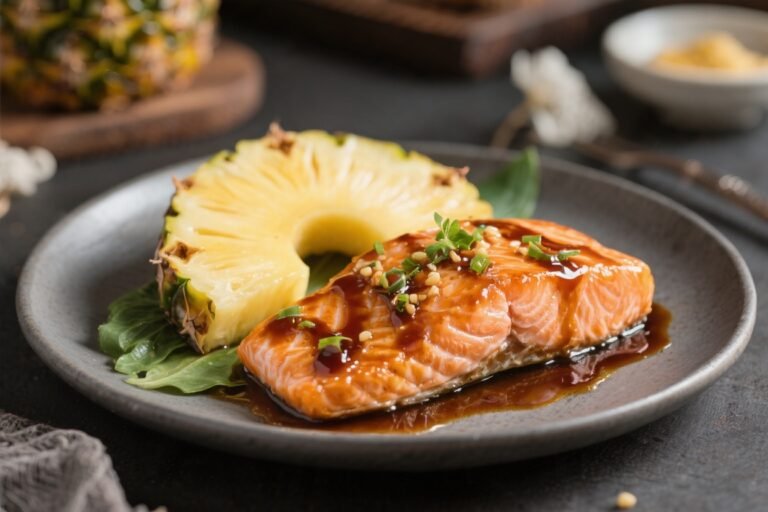
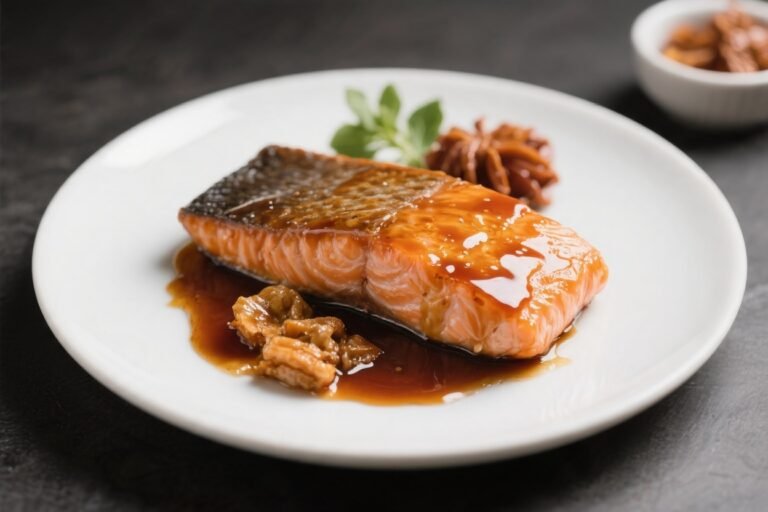
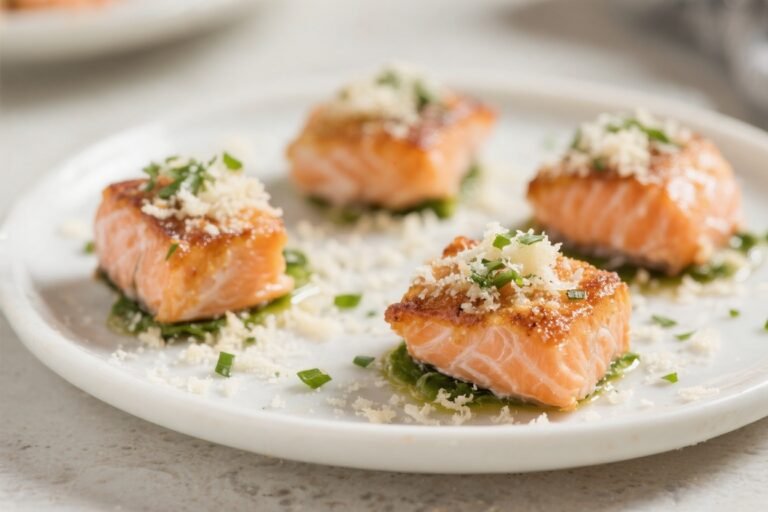
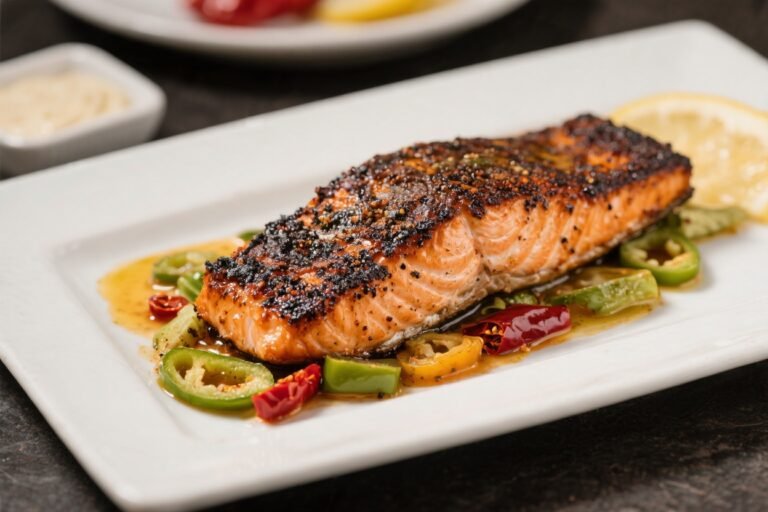
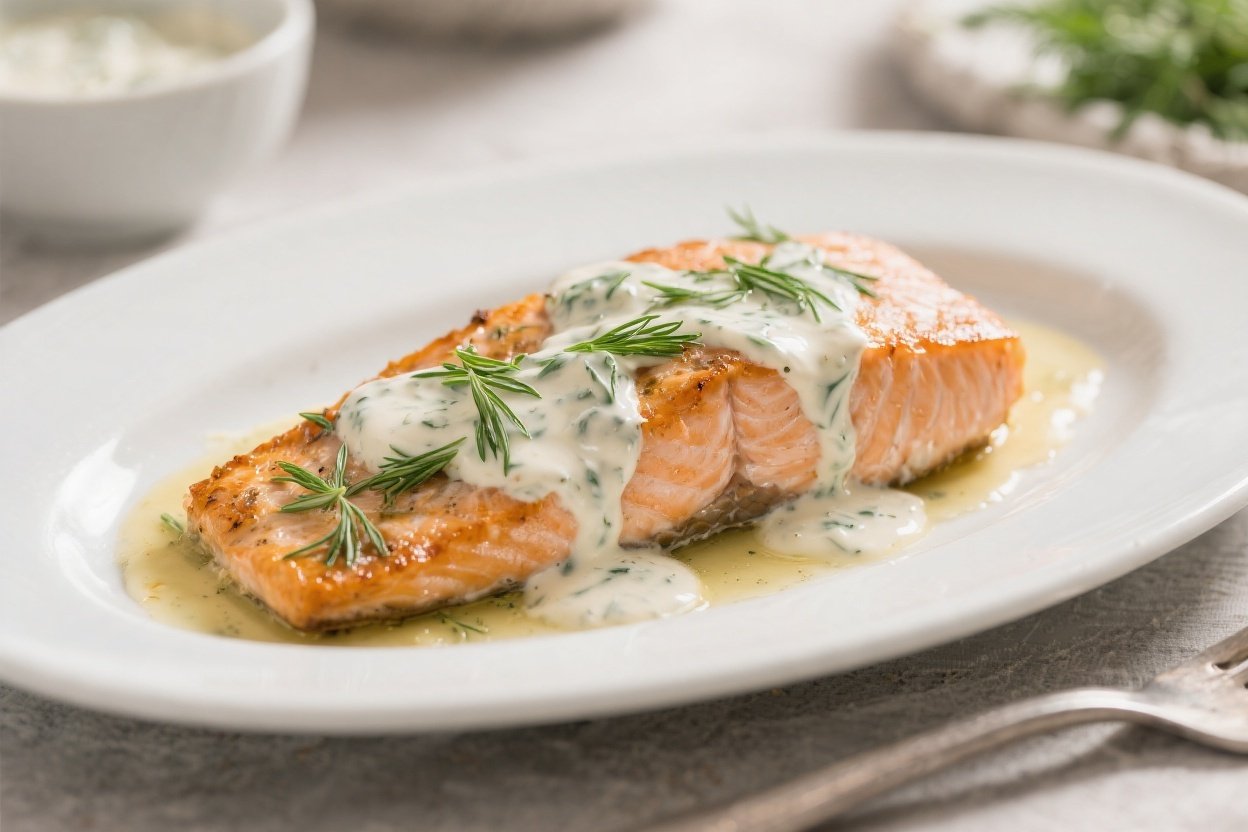
Baked Salmon With Creamy Dill Sauce – Simple, Bright, And Reliable
Baked salmon feels special without being fussy, and this version proves it. The fish turns tender and flaky in the oven, while a cool dill sauce brings everything together with fresh, tangy flavor. You get a weeknight-friendly recipe that still works for guests.
Stop wondering what's for dinner.
Get 7 healthy, family-friendly dinners complete with recipes and simple meal plans delivered straight to your inbox.
The ingredients are easy to find, and the technique is straightforward. If you’re new to cooking salmon at home, this recipe will make you feel confident from the first try.
Ingredients
Method
- Preheat the oven: Set to 400–425°F (200–220°C). Line a sheet pan with parchment or lightly oil it for easy cleanup.
- Pat the salmon dry: Use paper towels to remove surface moisture. Dry fish sears better and bakes more evenly.
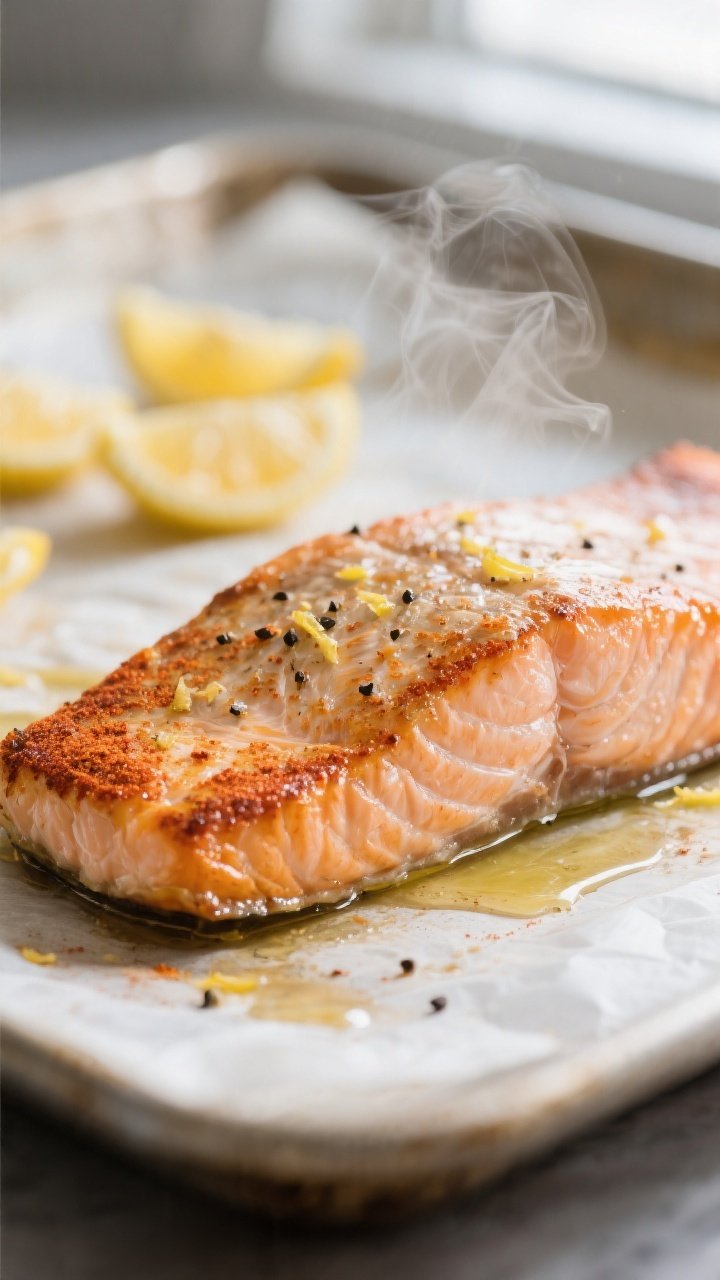
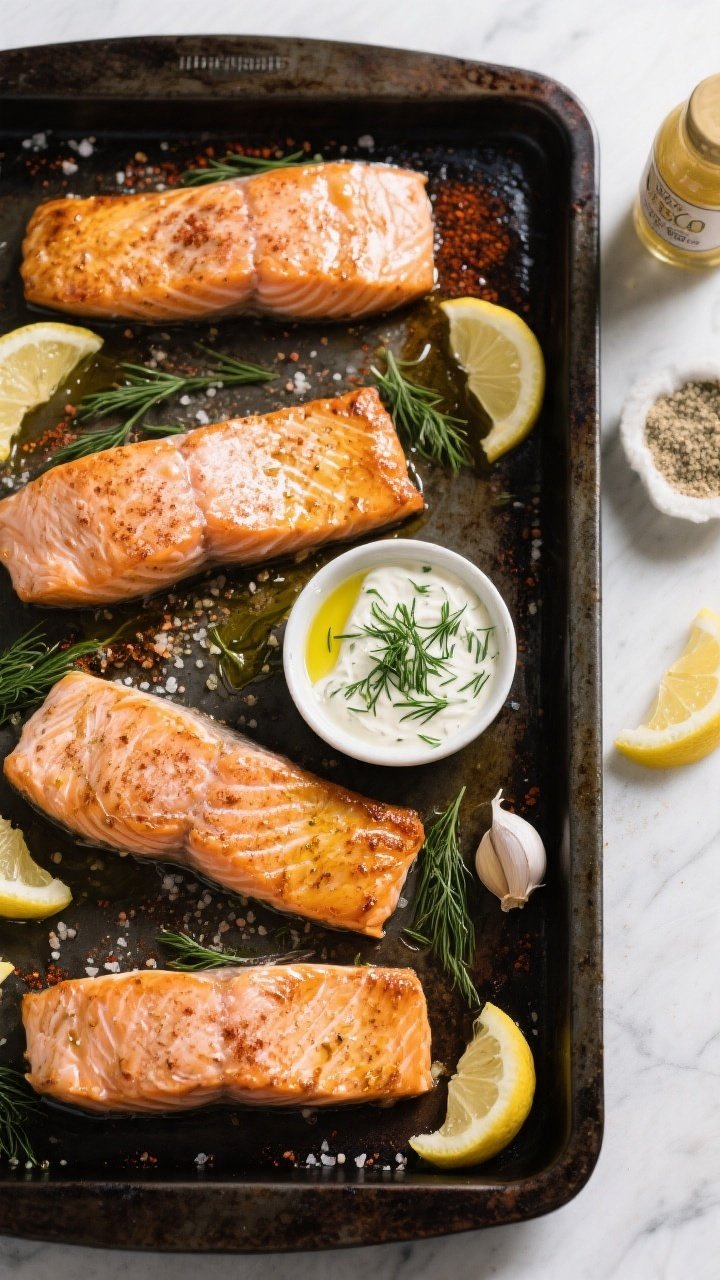
- Season simply: Place salmon skin-side down on the pan. Drizzle with olive oil and rub gently to coat. Sprinkle with salt, pepper, and, if using, a light dusting of garlic powder and paprika. Add a little lemon zest over the top for aroma.
- Bake: Cook 8–12 minutes, depending on thickness. A general guide is about 4–6 minutes per half-inch of thickness. The salmon is done when it flakes easily with a fork and the center is just opaque. For extra precision, aim for an internal temperature of 125–130°F for medium and up to 135°F for more done, measured at the thickest part.
- Make the sauce while it bakes: In a bowl, combine Greek yogurt (or sour cream), mayonnaise, dill, lemon juice, lemon zest, garlic, Dijon, salt, and pepper. Stir until smooth. Adjust lemon and salt to taste. If you want a looser sauce, whisk in a teaspoon of water at a time.
- Rest briefly: Let the salmon sit for 2–3 minutes after baking. This helps the juices settle.
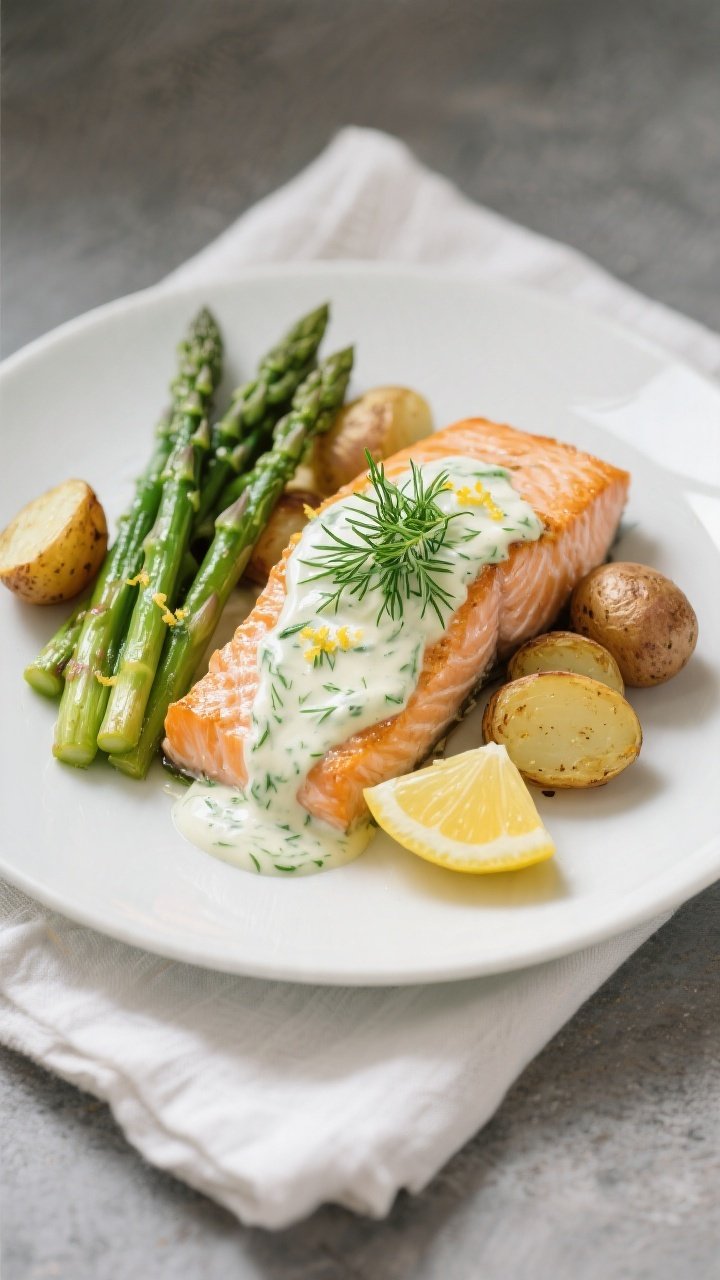
- Serve: Spoon the creamy dill sauce over each fillet or serve it on the side. Add lemon wedges and any sides you like.
Why This Recipe Works
This recipe leans on a few smart moves that deliver great results with little effort.
- High heat, short time: Baking at 400–425°F helps the salmon cook quickly and stay juicy.
- Simple seasoning: Salt, pepper, lemon, and olive oil let the salmon’s natural flavor shine without masking it.
- Creamy, bright sauce: Greek yogurt (or sour cream) and fresh dill create a cool contrast to the warm, rich fish.
- Make-ahead friendly: The dill sauce can be made hours in advance, which makes dinner come together smoothly.
- Flexible format: Works with fillets or a whole side of salmon, skin-on or skinless.
What You’ll Need
- Salmon: 4 fillets (about 6 oz each), skin-on preferred
- Olive oil: 1–2 tablespoons
- Lemon: 1 lemon (zest and juice), plus extra wedges for serving
- Salt and black pepper: To taste
- Garlic powder (optional): 1/2 teaspoon for subtle depth
- Paprika (optional): 1/2 teaspoon for color and warmth
For the Creamy Dill Sauce:
- Greek yogurt or sour cream: 3/4 cup
- Mayonnaise: 2 tablespoons (for richness)
- Fresh dill: 2–3 tablespoons, finely chopped
- Lemon juice: 1–2 tablespoons, to taste
- Lemon zest: 1/2 teaspoon
- Garlic: 1 small clove, finely grated or minced
- Dijon mustard: 1 teaspoon
- Salt and black pepper: To taste
Optional Sides and Garnishes:
- Steamed asparagus, green beans, or roasted potatoes
- Fresh dill sprigs and extra lemon wedges
Instructions
- Preheat the oven: Set to 400–425°F (200–220°C). Line a sheet pan with parchment or lightly oil it for easy cleanup.
- Pat the salmon dry: Use paper towels to remove surface moisture.
Dry fish sears better and bakes more evenly.
- Season simply: Place salmon skin-side down on the pan. Drizzle with olive oil and rub gently to coat. Sprinkle with salt, pepper, and, if using, a light dusting of garlic powder and paprika.
Add a little lemon zest over the top for aroma.
- Bake: Cook 8–12 minutes, depending on thickness. A general guide is about 4–6 minutes per half-inch of thickness. The salmon is done when it flakes easily with a fork and the center is just opaque.
For extra precision, aim for an internal temperature of 125–130°F for medium and up to 135°F for more done, measured at the thickest part.
- Make the sauce while it bakes: In a bowl, combine Greek yogurt (or sour cream), mayonnaise, dill, lemon juice, lemon zest, garlic, Dijon, salt, and pepper. Stir until smooth. Adjust lemon and salt to taste.
If you want a looser sauce, whisk in a teaspoon of water at a time.
- Rest briefly: Let the salmon sit for 2–3 minutes after baking. This helps the juices settle.
- Serve: Spoon the creamy dill sauce over each fillet or serve it on the side. Add lemon wedges and any sides you like.
Keeping It Fresh
- Make the sauce ahead: The dill sauce can be made up to 2 days in advance.
Keep it covered and chilled. Stir before serving.
- Store leftovers properly: Refrigerate cooked salmon in an airtight container for up to 2 days. Store the sauce separately.
- Reheat gently: Warm salmon in a 275°F oven for 10–12 minutes or in a covered skillet over low heat.
Avoid microwaving on high; it dries out the fish.
- Use leftovers creatively: Flake chilled salmon into salads, grain bowls, or wraps. The sauce doubles as a quick dressing when thinned with a splash of water or olive oil.
Health Benefits
- Omega-3 fats: Salmon is rich in EPA and DHA, which support heart, brain, and eye health.
- High-quality protein: You get a satisfying meal that helps maintain muscle and keeps you full.
- Nutrient-dense: Salmon provides vitamin D, B vitamins, and selenium. The yogurt-based sauce can add calcium and probiotics.
- Balanced plate: Pairing with fiber-rich veggies and a whole grain creates a well-rounded meal without heavy effort.
Pitfalls to Watch Out For
- Overcooking: The most common mistake.
Start checking at 8 minutes and use a thermometer if possible.
- Skipping the dry step: Not patting the salmon dry leads to steaming instead of roasting, which dulls the texture.
- Too much lemon in the sauce: It can turn harsh. Add lemon gradually and taste as you go.
- Old dill: Wilted or yellowing dill loses its bright flavor. Choose fresh, fragrant sprigs for the best result.
- Cold fish into hot oven: Let salmon sit at room temperature for 10–15 minutes before baking so it cooks more evenly.
Alternatives
Save time, eat healthier, and take the stress out of dinner.
Get a full week of easy healthy dinners delivered straight to your inbox.
- Dairy-free sauce: Use a thick, unsweetened dairy-free yogurt or blend silken tofu with dill, lemon, garlic, and olive oil.
Season well.
- No dill on hand: Try a mix of parsley and chives, or tarragon for a slightly anise note. Adjust amounts to taste.
- Different cooking method: Pan-sear salmon in a hot skillet with a little oil (3–4 minutes skin-side down, 1–3 minutes on the other side) and finish with the same sauce.
- Whole side of salmon: Roast a 1.5–2 lb side at 400°F for 12–18 minutes, depending on thickness. Slice and serve with the sauce at the table.
- Spice twist: Add a pinch of smoked paprika and cumin to the seasoning for a warmer profile, or brush with a light honey-mustard glaze before baking.
FAQ
Can I use frozen salmon?
Yes.
Thaw it fully in the refrigerator overnight or in a sealed bag under cold running water. Pat very dry before seasoning to prevent excess moisture and ensure even cooking.
Skin-on or skinless—what’s better?
Skin-on is helpful because it protects the fish from overcooking and sticks to the pan instead of the flesh. You can slide a spatula between the skin and flesh after cooking if you prefer not to eat the skin.
How do I know when the salmon is done?
Look for the flesh to turn opaque and flake easily with a fork.
For accuracy, use a thermometer: 125–130°F for medium and up to 135°F if you like it more done. Pull it a couple of degrees early; carryover heat will finish it.
Can I make the dill sauce without mayo?
Absolutely. Use all Greek yogurt or sour cream.
If it tastes a bit sharp, balance with a teaspoon of olive oil or a small pinch of sugar.
What sides pair best?
Keep it fresh and simple: roasted potatoes, steamed asparagus, sautéed green beans, a crisp cucumber salad, or a lemony quinoa. The cool dill sauce complements most vegetables and grains.
Is this recipe good for meal prep?
Yes, with a caveat. Cooked salmon is best within two days, and it’s great served cold in salads or bowls.
Keep the sauce separate and add just before eating.
Can I grill the salmon instead?
Yes. Oil the grates well and grill skin-side down over medium heat for 6–8 minutes, then flip for 1–2 minutes if needed. Serve with the same sauce.
Wrapping Up
Baked Salmon with Creamy Dill Sauce is simple, bright, and consistently delicious.
With a few basic ingredients and a short bake time, you get tender fish and a fresh, tangy sauce that feels restaurant-worthy. It’s flexible enough for weeknights and special dinners alike. Make the sauce ahead, watch your cook time, and enjoy a reliable favorite that never feels heavy or complicated.
Printable Recipe Card
Want just the essential recipe details without scrolling through the article? Get our printable recipe card with just the ingredients and instructions.
Loved This Recipe?
If you're looking for more simple, healthy dinners your family will actually eat, grab my FREE 7-Day Easy Dinner Reset. You'll get 7 easy dinner recipes, simple grocery lists, and a done-for-you plan that takes the stress out of mealtime.