Honey Garlic Shrimp Stir Fry – Fast, Flavorful, and Weeknight-Friendly
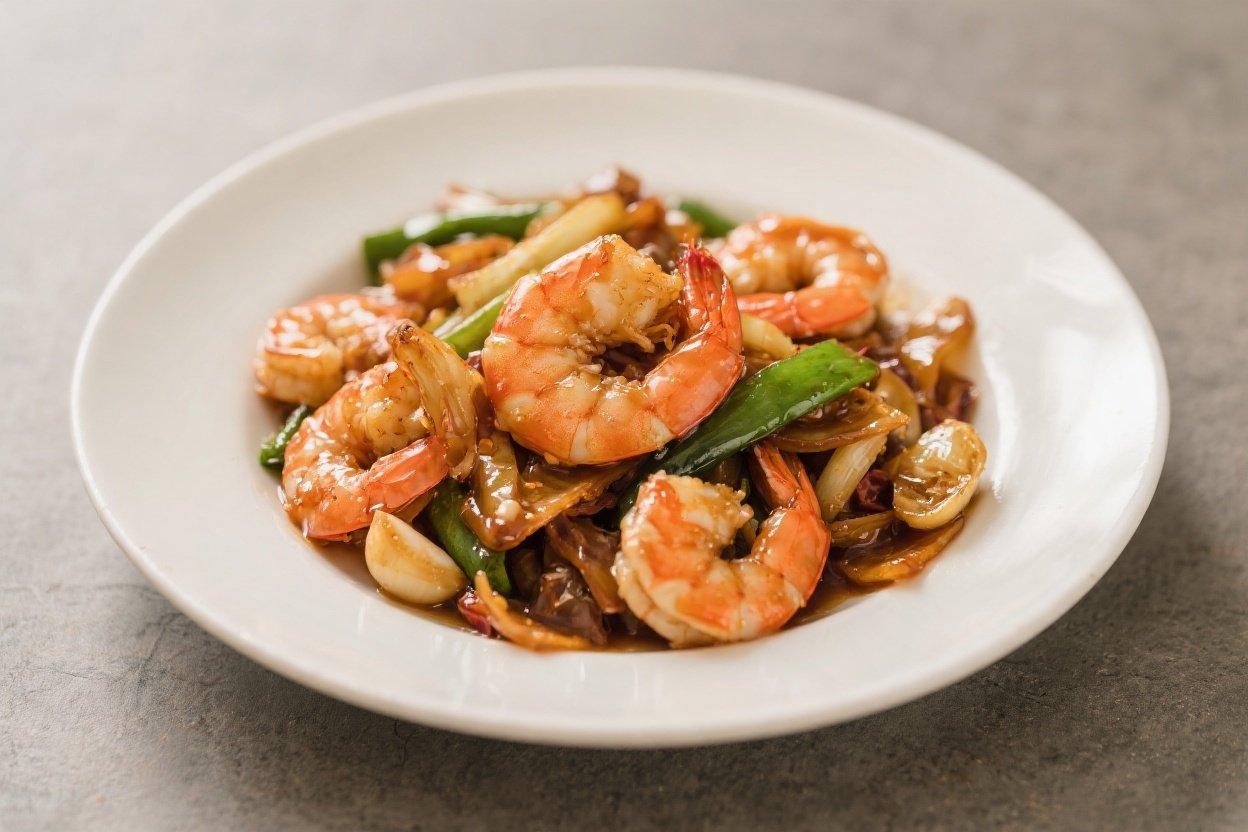
You know those dinners that feel special but come together in a flash? This honey garlic shrimp stir fry is one of them. It’s sweet, savory, garlicky, and glossy, with tender shrimp and crisp-tender veggies in every bite.
Stop wondering what's for dinner.
Get 7 healthy, family-friendly dinners complete with recipes and simple meal plans delivered straight to your inbox.
Everything cooks quickly in one pan, and the sauce uses pantry staples you probably already have. Serve it over rice or noodles, and you’ve got a colorful, satisfying meal in under 30 minutes.
Ingredients
Method
- Pat the shrimp dry. Moisture is the enemy of a good sear. Lay shrimp on paper towels and blot well. Season lightly with salt and pepper.
- Whisk the sauce. In a bowl, combine soy sauce, honey, rice vinegar, sesame oil, garlic, ginger, and sriracha if using. Taste and adjust sweetness or saltiness. Set aside.
- Prep the cornstarch slurry. In a small cup, mix cornstarch with water until smooth. This will thicken the sauce at the end.
- Heat the pan first. Place a large skillet or wok over medium-high heat. Add 1 tablespoon oil and let it get hot until it shimmers.
- Quick-cook the shrimp. Add shrimp in a single layer. Cook 1–2 minutes per side until just opaque and slightly pink. Remove to a plate; don’t overcook. They’ll finish in the sauce later.
- Stir-fry the veggies. Add another splash of oil if needed. Toss in broccoli and carrots first; cook 2–3 minutes, stirring often. Add bell pepper and snow peas; cook 2 minutes more until crisp-tender. Keep the heat fairly high.
- Add the sauce. Return shrimp and any juices to the pan. Pour in the sauce and bring to a simmer, stirring to coat everything.
- Thicken. Stir the cornstarch slurry, then add it to the pan. Simmer 30–60 seconds until the sauce turns glossy and clings to the shrimp and veggies. If you like, stir in 1 tablespoon butter for extra shine.
- Finish and serve. Sprinkle with green onions and sesame seeds. Squeeze over a little lime if you have it. Serve immediately over hot rice or noodles.
What Makes This Recipe So Good
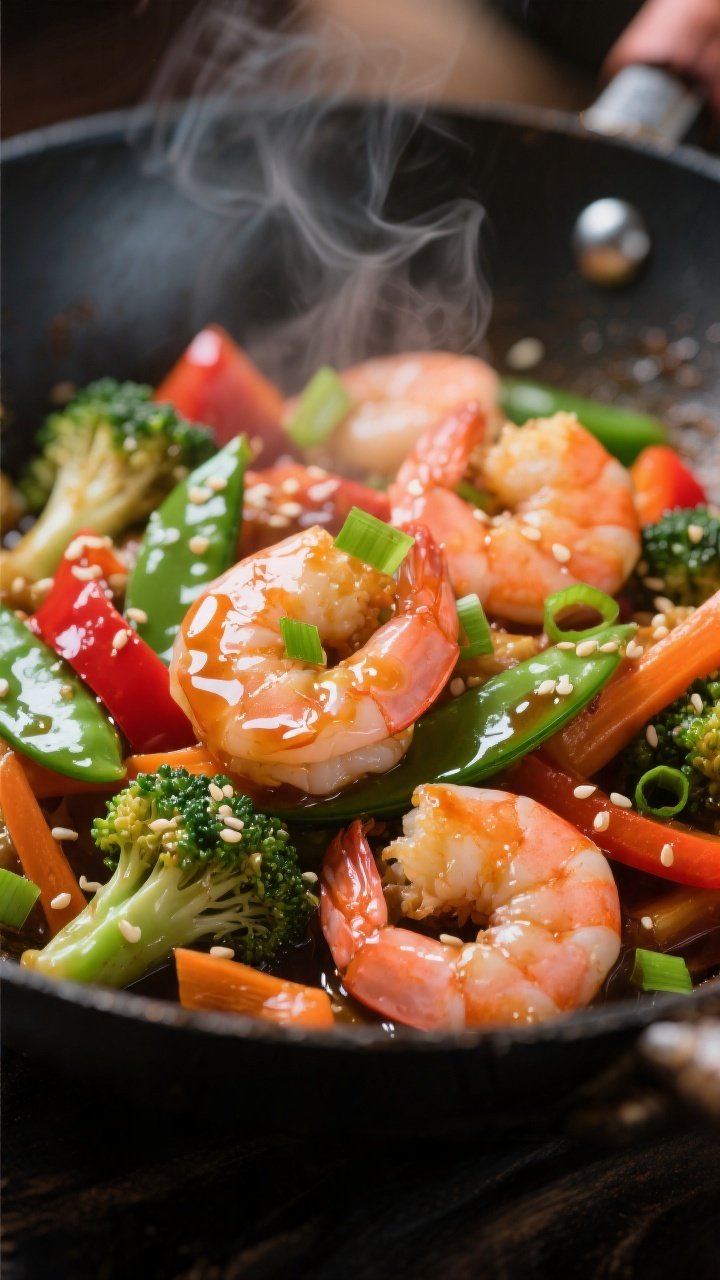
This stir fry is built for busy nights without sacrificing flavor. Shrimp cooks fast, so dinner hits the table quickly.
The sauce is balanced: honey brings sweetness while soy sauce and garlic add depth, and a touch of rice vinegar brightens everything up.
The texture is a win, too. The shrimp stays juicy, and the veggies keep a crisp bite if you don’t overcook them. It’s also endlessly flexible—use what you have, swap in your favorite vegetables, and make it as spicy or as mild as you like.
Shopping List
- Shrimp: 1 pound large shrimp, peeled and deveined (tail on or off)
- Vegetables: 2 cups broccoli florets, 1 red bell pepper (sliced), 1 cup snow peas, 2 carrots (thinly sliced), 3 green onions (sliced)
- Garlic and Ginger: 4 cloves garlic (minced), 1 tablespoon fresh ginger (finely grated)
- Sauce: 1/3 cup low-sodium soy sauce, 1/4 cup honey, 1 tablespoon rice vinegar, 1 teaspoon sesame oil, 1–2 teaspoons sriracha or chili-garlic sauce (optional)
- Thickener: 1 tablespoon cornstarch + 2 tablespoons water (slurry)
- Cooking Oil: 1–2 tablespoons neutral oil (avocado, canola, or peanut)
- Garnishes: Sesame seeds, lime wedges, extra sliced green onions
- To Serve: Steamed rice or noodles
- Optional: 1/2 teaspoon crushed red pepper flakes; 1 tablespoon butter for extra gloss
Step-by-Step Instructions
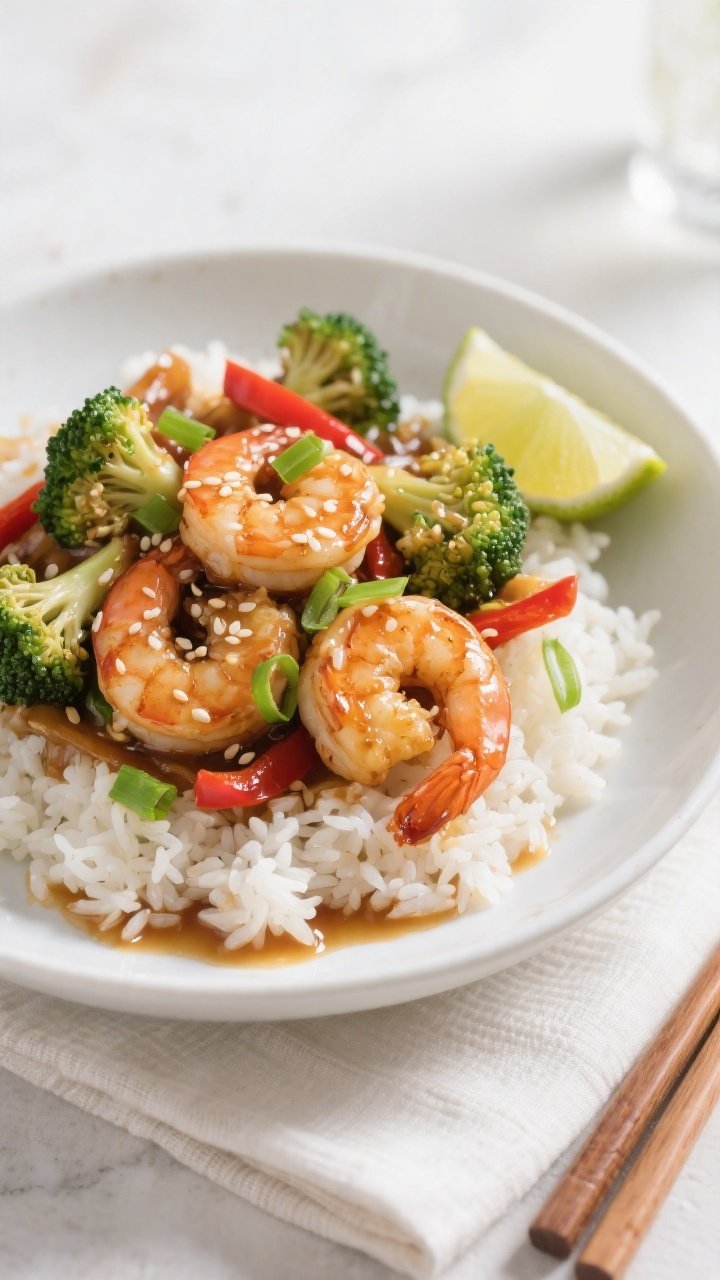
- Pat the shrimp dry. Moisture is the enemy of a good sear.
Lay shrimp on paper towels and blot well. Season lightly with salt and pepper.
- Whisk the sauce. In a bowl, combine soy sauce, honey, rice vinegar, sesame oil, garlic, ginger, and sriracha if using. Taste and adjust sweetness or saltiness.
Set aside.
- Prep the cornstarch slurry. In a small cup, mix cornstarch with water until smooth. This will thicken the sauce at the end.
- Heat the pan first. Place a large skillet or wok over medium-high heat. Add 1 tablespoon oil and let it get hot until it shimmers.
- Quick-cook the shrimp. Add shrimp in a single layer.
Cook 1–2 minutes per side until just opaque and slightly pink. Remove to a plate; don’t overcook. They’ll finish in the sauce later.
- Stir-fry the veggies. Add another splash of oil if needed.
Toss in broccoli and carrots first; cook 2–3 minutes, stirring often. Add bell pepper and snow peas; cook 2 minutes more until crisp-tender. Keep the heat fairly high.
- Add the sauce. Return shrimp and any juices to the pan.
Pour in the sauce and bring to a simmer, stirring to coat everything.
- Thicken. Stir the cornstarch slurry, then add it to the pan. Simmer 30–60 seconds until the sauce turns glossy and clings to the shrimp and veggies. If you like, stir in 1 tablespoon butter for extra shine.
- Finish and serve. Sprinkle with green onions and sesame seeds.
Squeeze over a little lime if you have it. Serve immediately over hot rice or noodles.
Keeping It Fresh
Leftovers keep well for up to 3 days in the fridge when stored in an airtight container. Let the stir fry cool slightly before packing it up so condensation doesn’t make it soggy.
Reheat gently in a skillet over medium heat with a splash of water to loosen the sauce.
If you want to meal prep, cook the rice ahead and store it separately. For the stir fry, slightly undercook the veggies so they stay crisp after reheating. Shrimp doesn’t love the freezer once cooked, so it’s best eaten fresh or within a couple of days.
Health Benefits
Shrimp is a lean protein that’s naturally low in fat and high in nutrients like selenium, iodine, and vitamin B12.
It provides satisfying protein without weighing you down. The colorful mix of vegetables adds fiber, vitamin C, vitamin A, and antioxidants.
The sauce uses a modest amount of honey for sweetness rather than refined sugar. Using low-sodium soy sauce helps control salt intake.
You can also cut the honey by a tablespoon and boost ginger or chili for flavor without extra sugar.
Cooked quickly over high heat, stir-frying keeps nutrients in the vegetables while using relatively little oil. It’s a balanced plate when served with brown rice, quinoa, or cauliflower rice.
What Not to Do
Save time, eat healthier, and take the stress out of dinner.
Get a full week of easy healthy dinners delivered straight to your inbox.
- Don’t overcrowd the pan. If the shrimp or veggies are piled up, they’ll steam and turn mushy. Cook in batches if needed.
- Don’t skip drying the shrimp. Wet shrimp won’t sear well and can turn rubbery.
- Don’t walk away. Stir fry moves fast.
Have everything prepped before you start cooking.
- Don’t overcook the shrimp. Pull them as soon as they’re just opaque. They’ll finish in the sauce.
- Don’t add the cornstarch directly. Always mix it with water first to avoid lumps.
Recipe Variations
- Spicy Honey Garlic: Add extra sriracha, chili-garlic paste, or a teaspoon of gochujang for a deeper heat.
- Citrus Twist: Stir in 1–2 teaspoons orange zest and swap rice vinegar for orange juice for a sweet, tangy glaze.
- Veggie Swap: Use snap peas, zucchini, mushrooms, baby corn, or cabbage. Aim for a mix of crisp and tender vegetables.
- Gluten-Free: Use tamari or coconut aminos instead of soy sauce and confirm your cornstarch is gluten-free.
- No Cornstarch: Reduce the sauce on its own for a few extra minutes, or thicken with arrowroot (use half the amount and add off-heat to prevent gumminess).
- Extra Protein: Add cubed tofu or a handful of cashews in the last minute for crunch and substance.
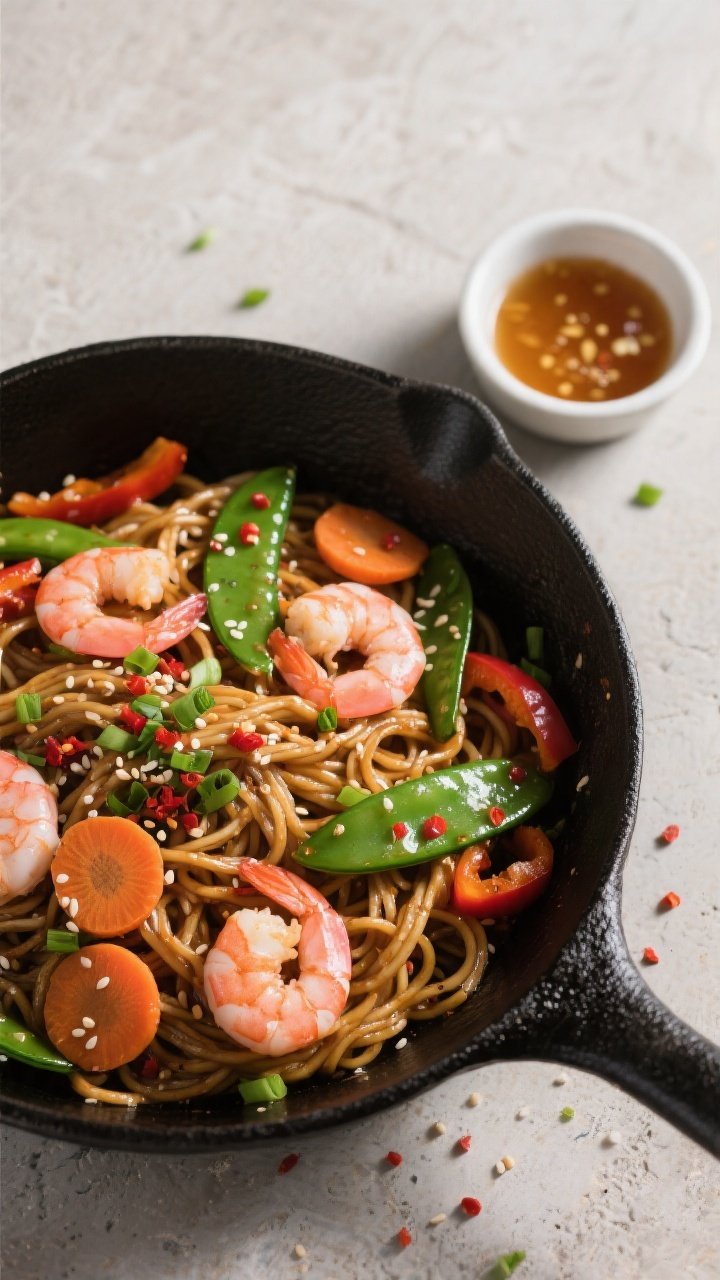
- Noodle Night: Toss the finished stir fry with cooked lo mein, rice noodles, or udon.
Add a splash of sauce or reserved pasta water to help it coat.
FAQ
Can I use frozen shrimp?
Yes. Thaw them overnight in the fridge or run under cold water for a few minutes. Pat completely dry before cooking so they sear instead of steam.
What size shrimp works best?
Large or extra-large (16/20 to 26/30 count) cook evenly and stay juicy.
Smaller shrimp will work, but reduce the cooking time by 30–60 seconds.
How do I keep the veggies crisp?
Cut them evenly, cook over medium-high to high heat, and add firmer vegetables first. Stop cooking as soon as they turn bright and just tender.
Is there a way to make it less sweet?
Use 2–3 tablespoons honey instead of 1/4 cup and add more ginger or a squeeze of lime. Low-sodium soy sauce also helps balance the flavors without extra sugar.
Can I make this ahead?
Prep everything in advance—slice vegetables, whisk the sauce, and thaw the shrimp.
Cook it fresh right before serving for the best texture. Leftovers are fine, but shrimp is always best the day it’s cooked.
What can I substitute for rice vinegar?
Use apple cider vinegar or lime juice in a pinch. Start with a smaller amount and add to taste since they can be sharper.
How do I avoid a watery sauce?
Dry the shrimp, cook over high heat, and don’t overload the pan with vegetables.
Let the sauce come to a simmer before adding the cornstarch slurry, then cook until glossy.
In Conclusion
Honey garlic shrimp stir fry delivers big flavor with minimal fuss. It’s quick, colorful, and adaptable, making it perfect for weeknights or easy entertaining. Keep the heat high, don’t crowd the pan, and stop cooking the shrimp the moment they’re done.
With those simple tips, you’ll get a bright, glossy stir fry that tastes like you spent hours—without actually doing so.
Printable Recipe Card
Want just the essential recipe details without scrolling through the article? Get our printable recipe card with just the ingredients and instructions.
Loved This Recipe?
If you're looking for more simple, healthy dinners your family will actually eat, grab my FREE 7-Day Easy Dinner Reset. You'll get 7 easy dinner recipes, simple grocery lists, and a done-for-you plan that takes the stress out of mealtime.