Healthy Chicken Teriyaki Bowls – Fresh, Balanced, and Weeknight-Friendly
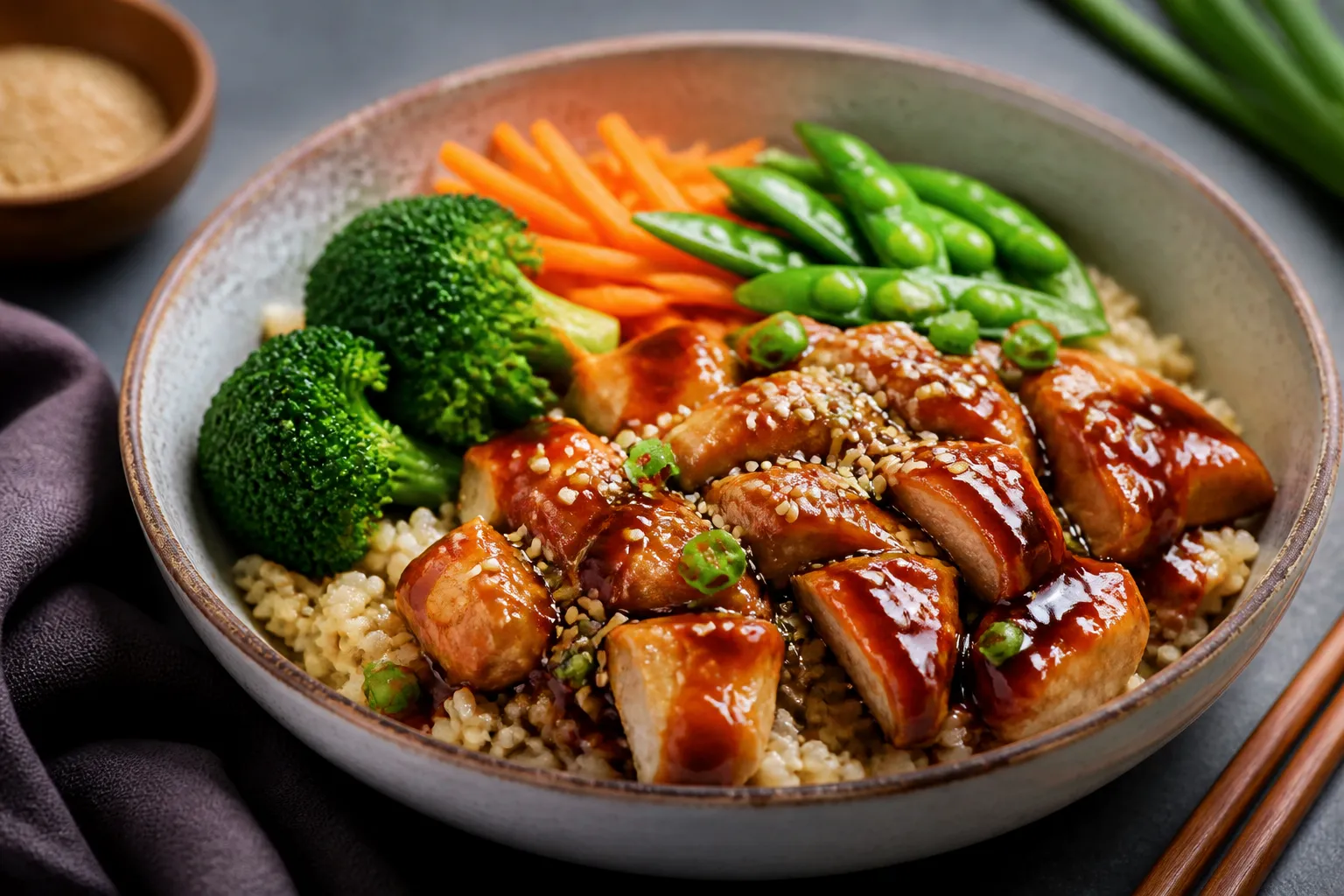
These chicken teriyaki bowls give you everything you want in a weeknight dinner: quick prep, bold flavor, and a meal that actually leaves you feeling good. The chicken is juicy, the sauce is glossy and just sweet enough, and the bowl packs in plenty of colorful veggies. You’ll build it over rice or quinoa and finish with a few crunchy toppings.
Stop wondering what's for dinner.
Get 7 healthy, family-friendly dinners complete with recipes and simple meal plans delivered straight to your inbox.
It’s simple to make, easy to customize, and perfect for meal prep. If you’re craving takeout vibes with a healthier twist, this one checks all the boxes.
Ingredients
Method
- Cook your base: Make brown rice or quinoa according to package directions. Fluff and set aside, covered, to keep warm.
- Mix the sauce: In a small bowl, whisk soy sauce, pineapple juice, rice vinegar, honey, sesame oil, garlic, ginger, and red pepper flakes (if using). In a separate small cup, stir cornstarch with cold water until smooth. Keep both nearby.
- Prep the chicken: Pat chicken dry. Season with a pinch of salt and pepper. This helps a quick sear and better flavor.
- Sear the chicken: Heat oil in a large skillet over medium-high. Add chicken in a single layer. Cook 5–7 minutes, stirring a few times, until golden and just cooked through. Transfer to a plate.
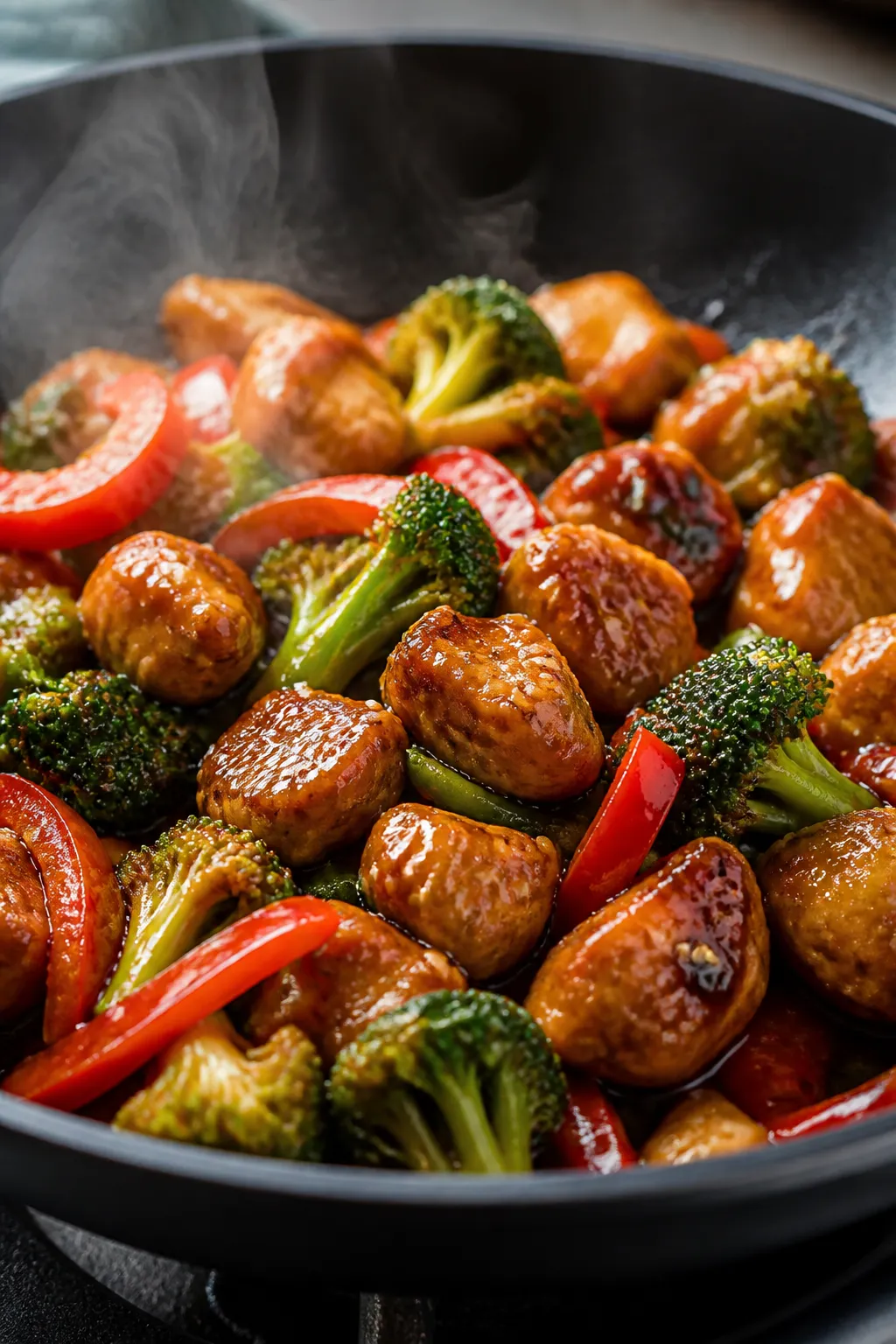
- Cook the veggies: In the same pan, add broccoli and bell pepper with a splash of water. Stir-fry 3–4 minutes until crisp-tender. Add carrots and edamame and cook 1–2 minutes more. Season lightly with salt and pepper.
- Make it saucy: Return chicken to the pan. Pour in the teriyaki mixture and bring to a gentle simmer. Stir in the cornstarch slurry and cook 1–2 minutes, stirring, until the sauce thickens and turns glossy. If it gets too thick, add 1–2 tablespoons water to loosen. Taste and adjust sweetness or salt.
- Assemble the bowls: Spoon rice or quinoa into bowls. Top with chicken and veggies. Scatter green onions and sesame seeds. Add any extras you like.
- Serve: A squeeze of lime brightens everything. Enjoy warm.
What Makes This Special
- Lighter teriyaki sauce: We use less sugar and lean on pineapple juice and a touch of honey for sweetness.
- Protein-packed chicken: Lean chicken breast or thigh keeps it satisfying without feeling heavy.
- Veggie-forward: Broccoli, carrots, and edamame add color, crunch, and fiber.
- Meal-prep friendly: Cooks in about 30 minutes and holds well for lunches.
- Better-than-takeout flavor: A quick pan sear and a glossy sauce bring that classic teriyaki taste.
What You’ll Need
- For the chicken and bowls:
- 1.5 pounds boneless, skinless chicken breast (or thighs), cut into bite-size pieces
- 2 cups broccoli florets
- 1 cup matchstick carrots (or thinly sliced)
- 1 cup shelled edamame (thawed if frozen)
- 1 red bell pepper, thinly sliced
- 2–3 green onions, sliced
- 3 cups cooked brown rice or quinoa (about 1 cup dry)
- 1 tablespoon avocado or olive oil
- Salt and black pepper, to taste
- For the lighter teriyaki sauce:
- 1/3 cup low-sodium soy sauce or tamari
- 1/3 cup pineapple juice (100% juice, no added sugar)
- 2 tablespoons rice vinegar
- 1–2 tablespoons honey or maple syrup (to taste)
- 2 teaspoons toasted sesame oil
- 2 cloves garlic, minced
- 1 teaspoon fresh ginger, grated (or 1/2 teaspoon ground ginger)
- 1 tablespoon cornstarch mixed with 2 tablespoons cold water (slurry)
- 1–2 tablespoons water, as needed to thin
- Optional heat: 1/4 teaspoon red pepper flakes or a small dash of sriracha
- Toppings (optional but great):
- Toasted sesame seeds
- Extra sliced green onions
- Pickled ginger
- Lime wedges
- Nori strips or furikake
Instructions
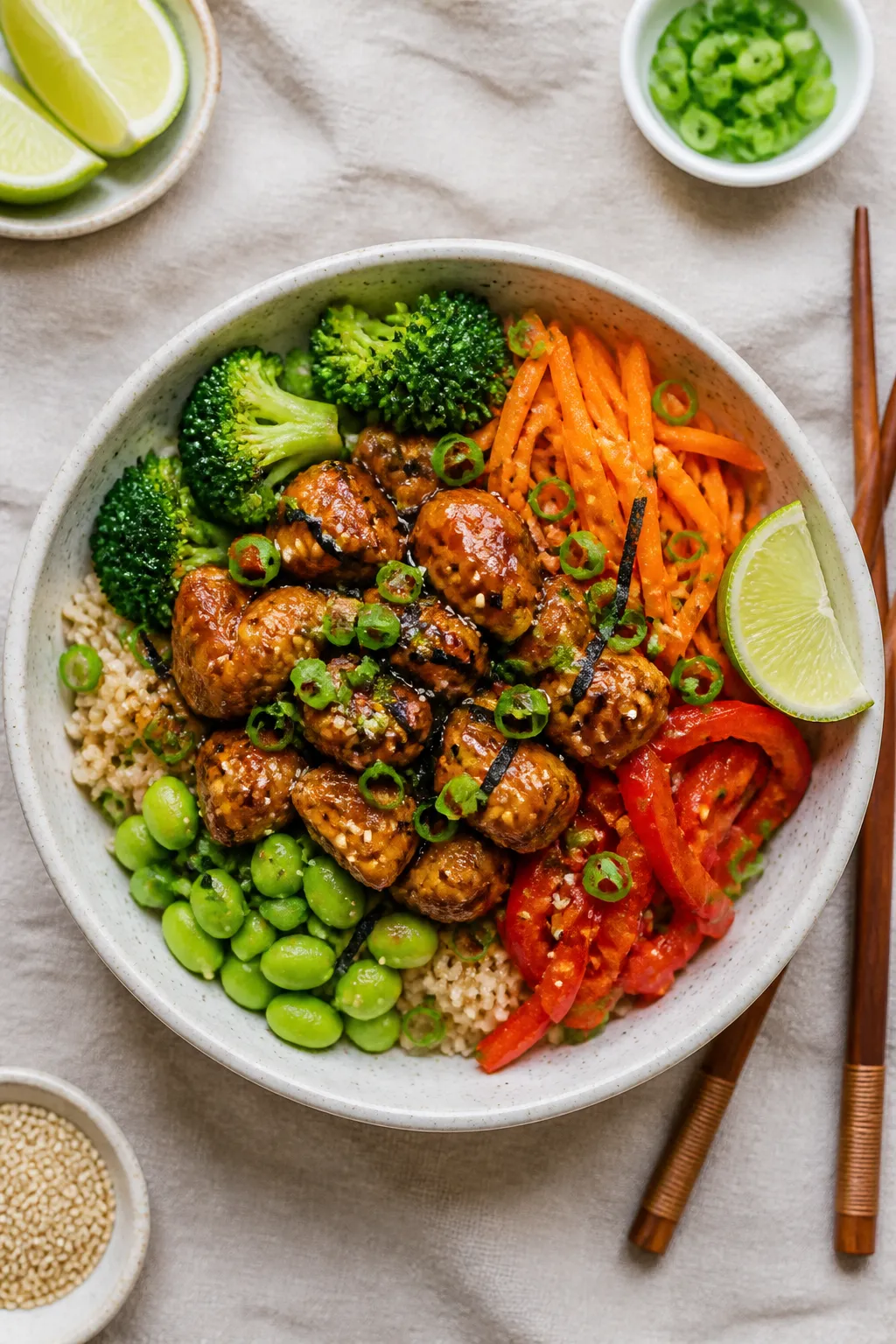
- Cook your base: Make brown rice or quinoa according to package directions. Fluff and set aside, covered, to keep warm.
- Mix the sauce: In a small bowl, whisk soy sauce, pineapple juice, rice vinegar, honey, sesame oil, garlic, ginger, and red pepper flakes (if using).
In a separate small cup, stir cornstarch with cold water until smooth. Keep both nearby.
- Prep the chicken: Pat chicken dry. Season with a pinch of salt and pepper.
This helps a quick sear and better flavor.
- Sear the chicken: Heat oil in a large skillet over medium-high. Add chicken in a single layer. Cook 5–7 minutes, stirring a few times, until golden and just cooked through.
Transfer to a plate.
- Cook the veggies: In the same pan, add broccoli and bell pepper with a splash of water. Stir-fry 3–4 minutes until crisp-tender. Add carrots and edamame and cook 1–2 minutes more.
Season lightly with salt and pepper.
- Make it saucy: Return chicken to the pan. Pour in the teriyaki mixture and bring to a gentle simmer. Stir in the cornstarch slurry and cook 1–2 minutes, stirring, until the sauce thickens and turns glossy.
If it gets too thick, add 1–2 tablespoons water to loosen. Taste and adjust sweetness or salt.
- Assemble the bowls: Spoon rice or quinoa into bowls. Top with chicken and veggies.
Scatter green onions and sesame seeds. Add any extras you like.
- Serve: A squeeze of lime brightens everything. Enjoy warm.
Storage Instructions
- Refrigerator: Store in airtight containers for up to 4 days.
Keep toppings like sesame seeds and nori separate to maintain crunch.
- Freezer: Freeze the chicken and sauce portion for up to 2 months. Add fresh veggies and rice after reheating for best texture, or freeze everything together if convenience is the priority.
- Reheat: Warm gently on the stovetop with a splash of water, or microwave in 45-second bursts, stirring between rounds. Avoid overcooking to keep the chicken tender.
Why This is Good for You
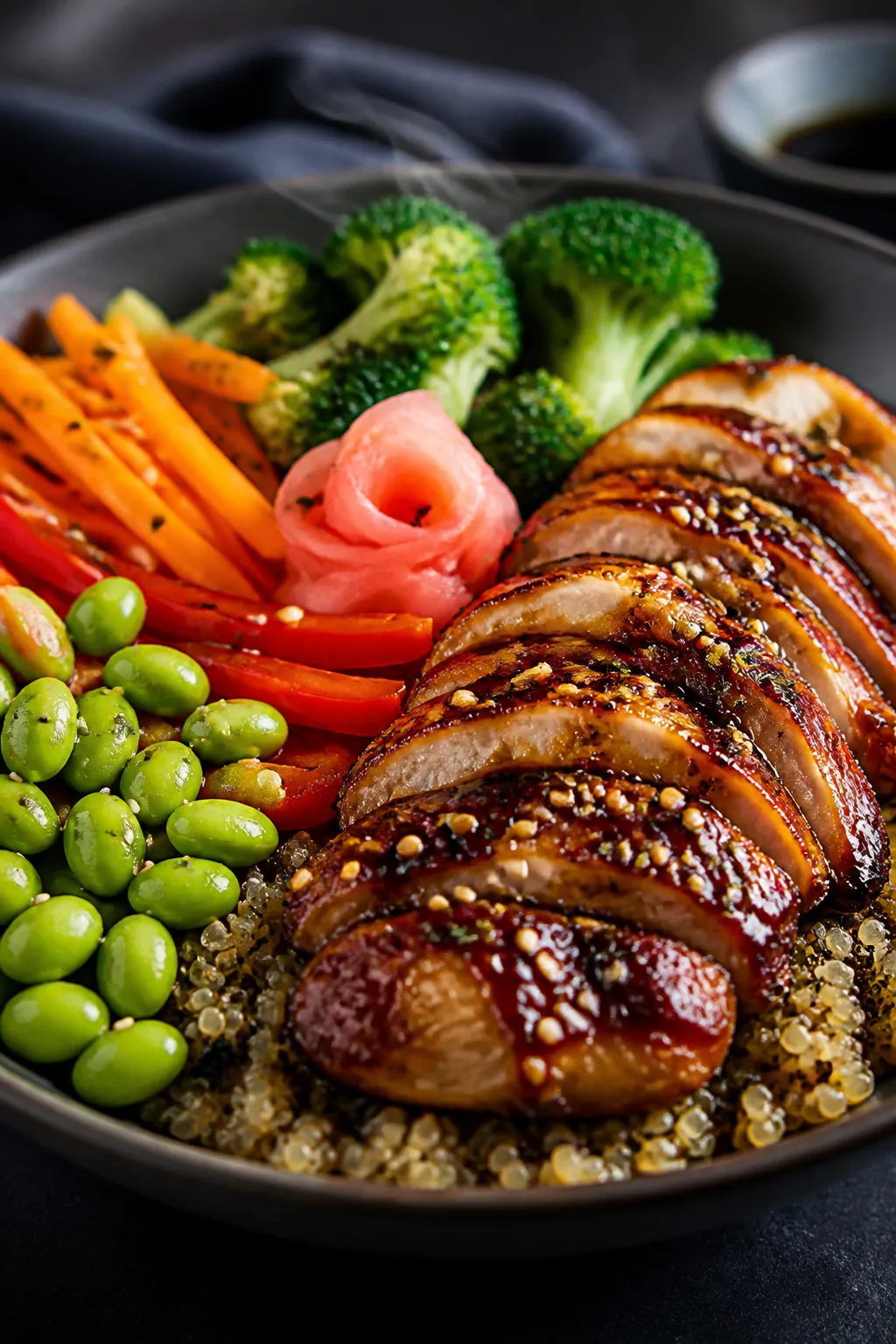
- Balanced macronutrients: Lean protein, high-fiber grains, and plenty of vegetables help support steady energy and fullness.
- Lower sodium and sugar: Using low-sodium soy sauce and a modest amount of honey keeps the sauce flavorful without going overboard.
- Fiber and micronutrients: Broccoli, carrots, and edamame bring vitamins A, C, K, folate, and minerals, plus gut-friendly fiber.
- Healthy fats: A small amount of sesame oil adds flavor and helps with nutrient absorption.
Pitfalls to Watch Out For
- Overcooking the chicken: It dries out fast.
Pull it as soon as it’s no longer pink and let the sauce finish the job.
- Too much sauce thickness: Cornstarch works quickly. Add the slurry gradually and thin with water if it gums up.
- Watery veggies: If the pan is crowded, vegetables can steam instead of sear. Cook in batches if needed.
- Excess sodium: Soy sauce brands vary.
Taste before adding extra salt.
Alternatives
- Protein swaps: Use tofu (pressed and cubed), shrimp, or turkey. For tofu, pan-sear until golden before adding sauce.
- Grain options: Try jasmine rice, cauliflower rice, or a mix of brown rice and quinoa.
- Veggie variations: Snap peas, zucchini, cabbage, or mushrooms work well. Use what’s fresh and in season.
- Sauce tweaks: Swap pineapple juice for orange juice, or add a teaspoon of miso for depth.
- Gluten-free: Use tamari or coconut aminos and check labels on vinegar and other condiments.
- No added sugar: Skip honey and rely on fruit juice; you may need a bit more juice for balance.
FAQ
Save time, eat healthier, and take the stress out of dinner.
Get a full week of easy healthy dinners delivered straight to your inbox.
Can I make this ahead for meal prep?
Yes.
Portion rice, chicken, and veggies into containers and store the sauce-coated chicken with the veggies. Reheat gently and add fresh toppings before serving.
What cut of chicken works best?
Chicken breast keeps it lean, while thighs stay extra juicy and are more forgiving. Either works.
Just cut into similar-sized pieces for even cooking.
How do I keep the sauce glossy without getting gummy?
Bring the sauce to a gentle simmer, whisk in the slurry slowly, and stir constantly. Pull it off the heat as soon as it thickens. If it tightens too much, add a splash of water.
Is there a way to reduce the sodium further?
Use low-sodium soy sauce or tamari, increase pineapple juice slightly for flavor, and avoid adding extra salt to the chicken or veggies.
You can also dilute soy sauce with water by 25%.
Can I use frozen vegetables?
Absolutely. Thaw and pat dry to reduce excess moisture, or cook from frozen in a hot pan and let the water evaporate before adding the sauce.
What if I don’t have pineapple juice?
Orange juice works, or mix water with a bit more honey and a teaspoon of rice vinegar. Taste and adjust sweetness and acidity as needed.
How spicy is this?
It’s naturally mild.
Add red pepper flakes or a touch of sriracha if you like heat, or leave it out for a kid-friendly version.
Can I bake the chicken instead of pan-searing?
Yes. Toss pieces with oil, salt, and pepper, then bake at 425°F (220°C) for 12–15 minutes until cooked through. Add to the pan with veggies and sauce to finish.
In Conclusion
Healthy Chicken Teriyaki Bowls hit that sweet spot between comfort and nutrition.
With a lighter sauce, crisp-tender veggies, and a satisfying base, they’re built for busy nights and easy lunches. Keep the method simple, taste as you go, and make it your own with toppings and swaps. Once you try this version, you may not miss takeout at all.
Printable Recipe Card
Want just the essential recipe details without scrolling through the article? Get our printable recipe card with just the ingredients and instructions.
Loved This Recipe?
If you're looking for more simple, healthy dinners your family will actually eat, grab my FREE 7-Day Easy Dinner Reset. You'll get 7 easy dinner recipes, simple grocery lists, and a done-for-you plan that takes the stress out of mealtime.